REVIEW · CHIANG RAI
From Chiang Rai: 2-Day Slow Boat Ride to Luang Prabang
Book on GetYourGuide →Operated by LaoluangTravel · Bookable on GetYourGuide
Two days on the Mekong is slow magic. I like how this route gives you Mekong river views without rushing, and I also like the chance to watch everyday village life along the water. The trip mixes nature, Lao culture, and a very real feel for the river corridor between Thailand and Laos.
Just note one potential drawback: the schedule is tight, and missing the pickup or check-in can throw off the whole day. You start early, you cross borders, and you want everything to line up so you’re not stuck negotiating transport on your own.
If you’re the type who enjoys sitting still, taking photos, and watching the light shift over the water, this is one of the most satisfying ways to travel to Luang Prabang. It’s not about speed. It’s about the journey.
In This Review
- Key things to know before you go
- The Value: Why This Slow Boat Is Worth the Time
- Chiang Rai Pickup and the Early Start at 5:00 AM
- Crossing the Border: Chiang Khong to Huay Xai (And the Laos Visa Step)
- Boarding the Slow Boat: Settling In for the Mekong Day
- Deck time is the point
- Pakbeng Overnight: The Stop That Makes Day Two Feel Easier
- What to do in Pakbeng (without overplanning)
- Day Two: Checking In Before 8:00 AM
- Arrival in Luang Prabang Around 4:30 PM
- Nature, Culture, and the Real Reason You’re Here
- Nature: Mountains, forests, and the river’s pace
- Lifestyle: Villagers along the Mekong
- Culture: Lao traditions you can see, not just read
- Food on the Boat: What’s Included and What You Should Plan For
- Fishing, Sunrises, and Deck Comfort: How to Enjoy the Small Wins
- Price and Logistics: Getting Your Money’s Worth
- Best Time to Do It: Winter Makes the Ride Easier
- What to Bring (and One Thing You’ll Regret Forgetting)
- Safety and Comfort: Keep Valuables Close
- Who This Slow Boat Trip Suits Best
- Should You Book This Chiang Rai to Luang Prabang Slow Boat?
- FAQ
- What time is pickup in Chiang Rai?
- Where do you cross the border into Laos?
- Do I need a visa for Laos?
- Is there an overnight stop during the trip?
- What time do I need to check in on day two?
- What time do you arrive in Luang Prabang?
- Is food included on the boat?
- How much luggage can I bring?
- Are pets allowed?
Key things to know before you go
- 5:00 AM van pickup in Chiang Rai means you should plan for an early start and be ready at the meeting point
- Huay Xai border crossing + Laos visa application happens as part of the flow, not something you do on your own
- Pakbeng is the overnight stop (book a room in advance if you want it smooth)
- Day 2 check-in before 8:00 AM is required to keep your boarding time on track
- Sunrise and sunset from the deck are the easiest way to get the romantic Mekong feeling
The Value: Why This Slow Boat Is Worth the Time
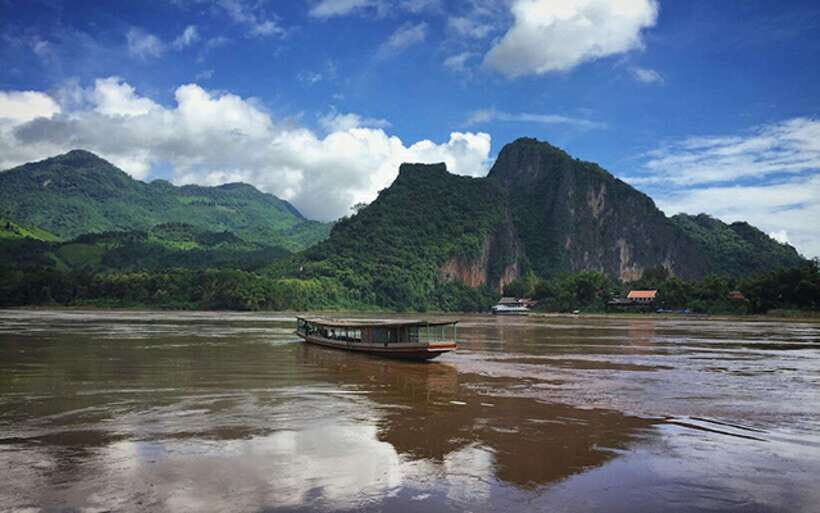
This is a classic Mekong route for a reason. A fast bus just dumps you into Luang Prabang. A slow boat gives you the in-between: river bends, mountain backdrops, and small riverside settlements where life moves at a different pace.
The big “value” isn’t the transportation itself. It’s what that transportation buys you:
- You slow down enough to actually look.
- You get a floating view of Laos culture rather than just a quick photo stop.
- You arrive in Luang Prabang still relaxed, not “travel-frayed.”
And yes, you also get practical perks: van service from Chiang Rai to Huay Xai, border support, an English-speaking driver/guide, and a slow boat ticket bundled together. For $99 per person (check current availability for starting times), that structure can be a good deal—especially if you’d otherwise be piecing together border logistics and separate tickets.
You can also read our reviews of more boat tours in Chiang Rai

Chiang Rai Pickup and the Early Start at 5:00 AM
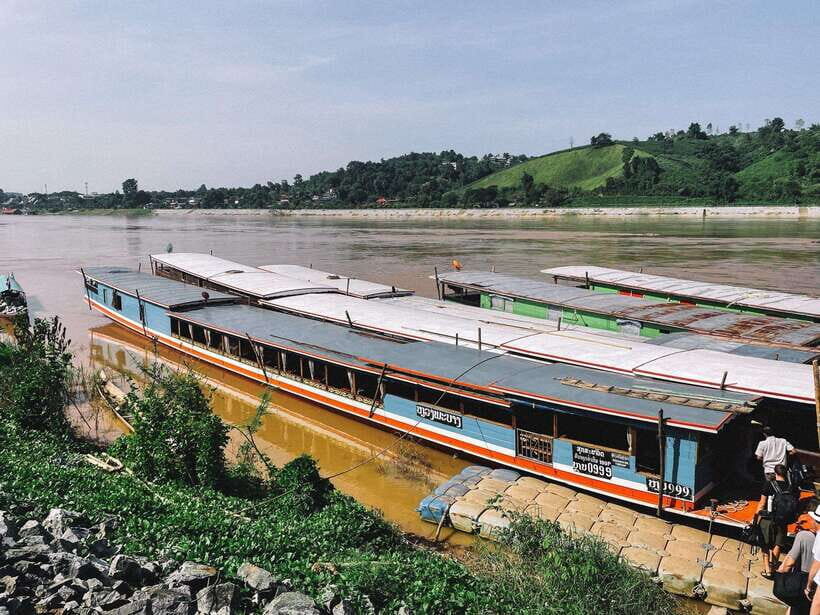
The day begins early. At 5:00 AM, a van picks you up at your hotel and takes you to the Chiang Khong border area. Your job is simple: show up and be ready.
Two timing details matter a lot:
- You should be at the meeting point 30 minutes before departure.
- The tour runs on a fixed schedule. If you’re late, you can end up scrambling later.
This is also where you should be most alert about communication. Some departures run tight, and the route includes borders and transfers. If anything about pickup seems unclear, confirm it the day before so you’re not stuck searching for the bus at the last minute.
Crossing the Border: Chiang Khong to Huay Xai (And the Laos Visa Step)
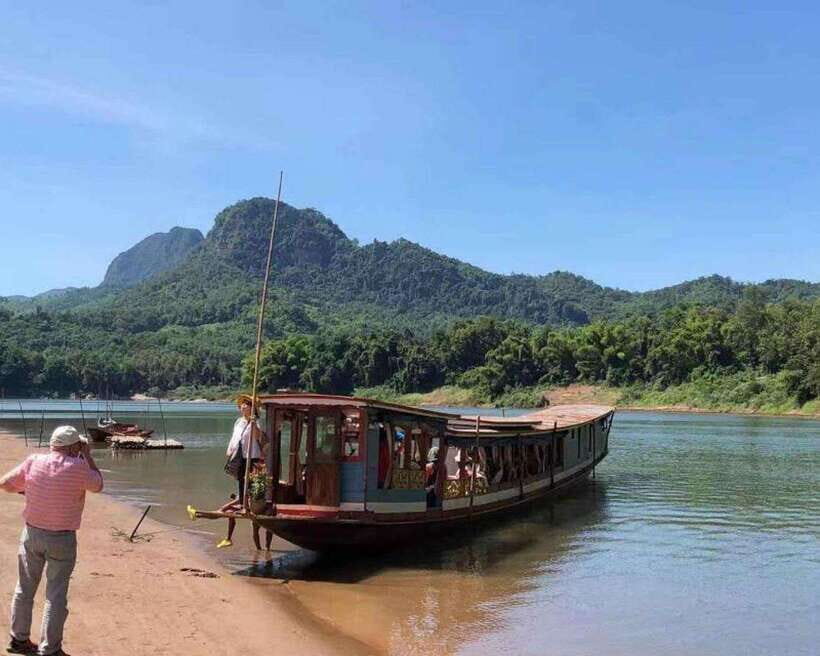
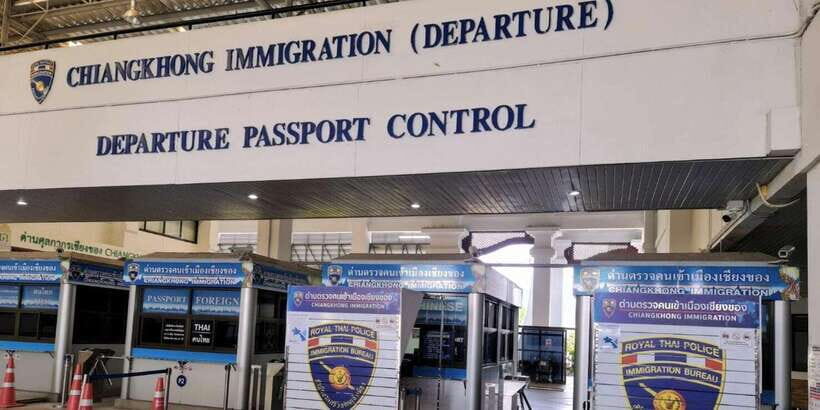
Once you arrive at the Chiang Khong border, the operator’s staff assists you in crossing into Laos at Huay Xai. After you reach the Laos side, you’ll need to apply for your visa. The listing notes that visa on arrival fees are not included, so you’ll want cash ready.
Then comes the transfer rhythm:
- Staff helps you get through the border steps.
- You’re shuttled to begin the slow boat portion.
What I like about this structure is that it removes a lot of the stress for first-timers. Even if you’ve traveled before, border days can still be chaotic. Having English-speaking driver/guide support and staff assistance reduces the chance you waste time trying to figure out where to go next.
Boarding the Slow Boat: Settling In for the Mekong Day

After the Laos side transfers, you’ll start your slow boat ride downriver. This is where the trip turns from “transport” into an experience.
You’re aiming for three simple moments on day one:
- Scenery watching from the deck
- Lifestyle viewing as the river carries you past small communities
- Sunset and sunrise options, because the Mekong changes fast as the light shifts
If you like photo-taking, pack your camera within easy reach. You won’t want to spend the day rummaging for it, and the best views happen when you’re already seated and ready.
Deck time is the point
This boat ride is slower than you expect, and you should treat it like that. If you spend the whole day staring at your phone, you’ll miss what makes this route special. Instead, sit where you can actually see the water move past.
And if you’re a fishing fan: you’re allowed to bring fishing gear, so you can try your luck if you’re into that kind of downtime.

Pakbeng Overnight: The Stop That Makes Day Two Feel Easier
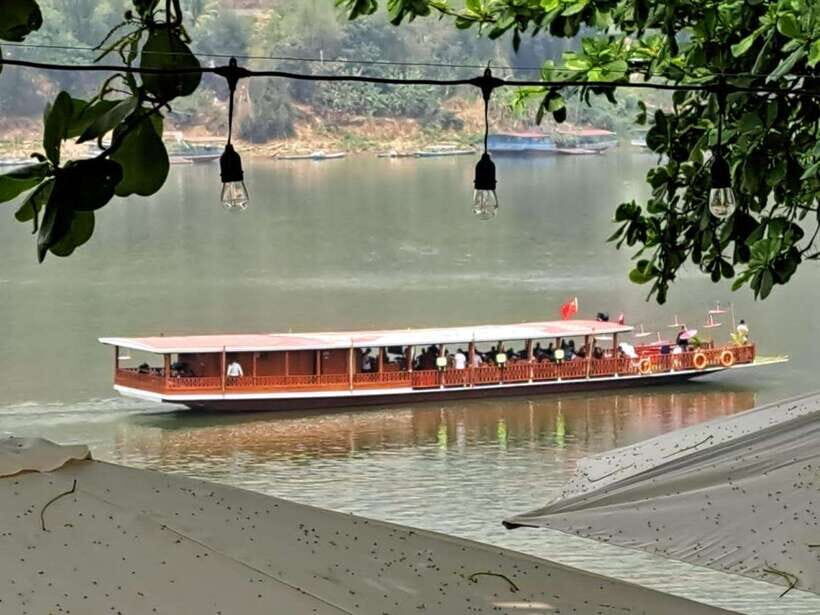
You stop for the night in Pakbeng on day one. Pakbeng is the key rest point that keeps the whole “two-day” experience realistic.
You’ll want to think ahead here. The info clearly recommends that you book accommodation in advance. That matters because Pakbeng can get busy around the same time travelers are arriving from Chiang Khong and boarding for the next day.
If you selected the option that includes lodging, you’ll have hotel at Pakbeng included. If you didn’t, plan on handling your own room.
What to do in Pakbeng (without overplanning)
The data doesn’t promise a packed itinerary in Pakbeng. So keep your expectations grounded:
- Eat something local if you find a place you trust.
- Rest. You’re doing a second day on the water.
- Get your bags ready for the morning check-in.
The most valuable thing you can do here is sleep well and avoid the stress of last-minute logistics.
Day Two: Checking In Before 8:00 AM
Day two has a hard start. You should check in before 8:00 AM to continue the slow boat journey to Luang Prabang.
This is one of those details that sounds boring until you get burned by it. On border-and-boat routes, delays cascade. If you show up late, you’re the one who loses time, not the operator.
I’d treat the check-in requirement like it’s stricter than you think. Wake up early, finish breakfast, and keep your passport and cash easy to find.
Arrival in Luang Prabang Around 4:30 PM
The expected arrival time in Luang Prabang is around 4:30 PM. That gives you a full afternoon and early evening to settle in—assuming your transfer works as planned.
When you arrive, keep expectations realistic:
- You’ll likely feel travel-done, not sightseeing-maxed.
- Your main job is getting oriented, checking into your hotel, and eating something that feels like a reward.
If you’re thinking about booking a Luang Prabang activity the same night, don’t book something that starts immediately upon arrival. Give yourself a buffer.
Nature, Culture, and the Real Reason You’re Here
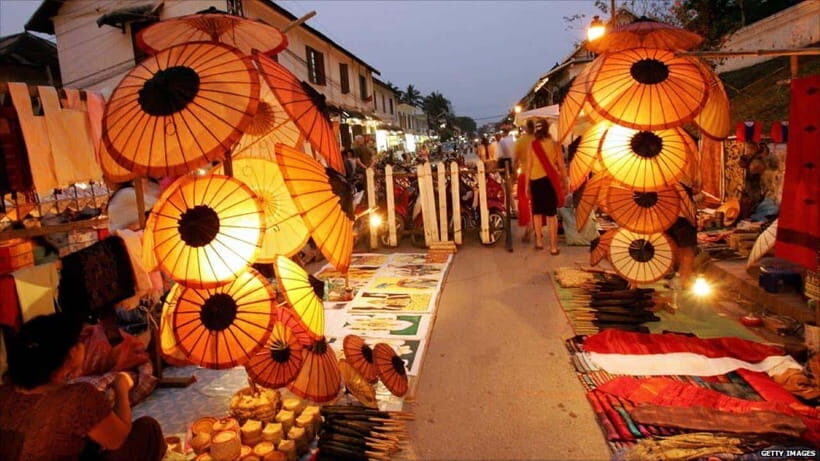
The highlights listed for the experience hit three different needs at once: nature, lifestyle, and culture.
Here’s what that means in plain terms:
Nature: Mountains, forests, and the river’s pace
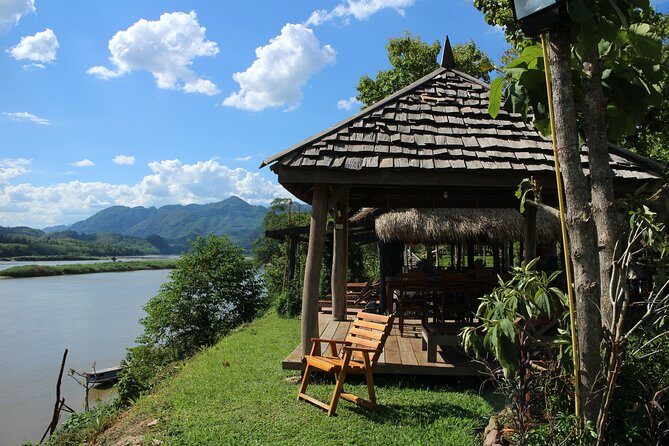
The trip runs along the Mekong with views of water, mountains, and forests. The best part is that you don’t have to do anything. You just sit and look while the scenery moves.
Lifestyle: Villagers along the Mekong
This route passes small riverside communities where traditional routines still show up in daily life. You’re not being taken through a staged cultural stop. The river is the corridor, and the villages are part of the view.
Culture: Lao traditions you can see, not just read
Because this is a river route into Laos, you naturally pick up cultural context along the way. Food, daily routines, and the vibe of the river towns all add up to a stronger sense of place than a straight transfer.
Food on the Boat: What’s Included and What You Should Plan For
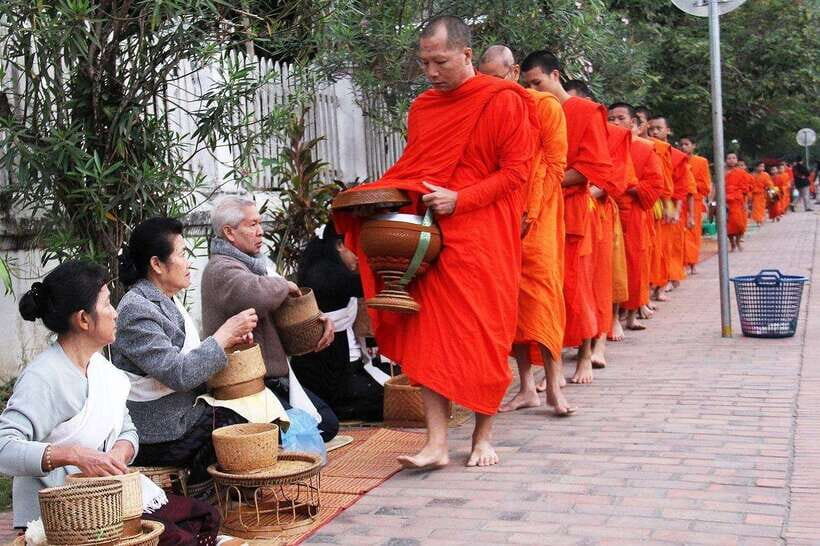
The info says that food is provided on the boat or you can bring your own food. Since the experience is two days, that matters—especially if you’re picky or you know you’ll get hungry at the wrong time.
One practical move: bring some snacks you can tolerate if meals are delayed or if your preferences are specific. That way, you’re not stuck buying something you don’t like.
Also bring cash. The trip notes cash as something to have on hand, and border days and small purchases always run smoother with real money.
Fishing, Sunrises, and Deck Comfort: How to Enjoy the Small Wins

This kind of trip is built on small wins. The listing points out three:
- Sunrise and sunset viewing: watching light over the Mekong is genuinely memorable
- Fishing: if you packed a rod or gear, you can use that free time
- Relaxing on deck: this is the core activity
To make deck time better, think about comfort:
- bring water you can access easily
- have a light layer for early hours
- keep your camera and passport where you can grab them without digging
You’ll also want change of clothes on hand. Two days on a river route means you can get warm, dusty, or just travel-sweaty. A fresh shirt in the afternoon can feel like a reset.
Price and Logistics: Getting Your Money’s Worth
$99 for a two-day Chiang Rai to Luang Prabang slow boat is often a fair price when everything runs as expected. You’re getting:
- Van service Chiang Rai to Huay Xai
- cross-border bus support
- an English-speaking driver and guide
- slow boat ticket
- hotel pickup service
- hotel at Pakbeng if you selected that option
But the practical side matters: one of the key reasons people get unhappy on slow boat routes is when the chain breaks—pickup, ticket type, or meal expectations.
So here’s how you protect your value:
- Confirm the hotel pickup details the day before, not just when you book.
- Ask what type of boat ticket you have (since the difference between a private-style experience and a public boat can affect crowding).
- Double-check whether meals are guaranteed as part of your specific package or whether you should plan to supplement.
The route can be amazing. The route can also be frustrating if you assume everything will automatically match your expectations without checking.
Best Time to Do It: Winter Makes the Ride Easier
The best time to travel is winter, September to May, because the weather is cooler. That’s a big deal on a long day where you’ll spend time outside on the deck and around boarding areas.
If you’re traveling in hotter months, plan for more heat and more sweating in transit. Even if the route is the same, your comfort level won’t be.
What to Bring (and One Thing You’ll Regret Forgetting)
Here’s your packing list, straight and useful:
- Passport
- Camera
- Cash
- Change of clothes
And for luggage:
- You get one bag under 15 kg without charge.
- There’s an extra charge for overweight luggage.
That weight detail matters more than people think. On vehicles and boats, heavy bags feel like dead weight fast. Pack smart, weigh your main bag, and avoid last-minute surprises at check-in.
Also note: pets are not allowed.
Safety and Comfort: Keep Valuables Close
The safety guidance is simple: keep valuables with you. The operator notes they won’t be responsible for lost items.
On boats, you’re moving between deck and indoor areas, and you’ll be sharing space. The safest plan is:
- keep your passport and money on your person or in a secure personal bag
- avoid leaving phone and camera unattended where others can bump into things
This is also why a light, easy-to-grab day bag is worth it.
Who This Slow Boat Trip Suits Best
This is a great fit if you:
- want slower travel and scenic time on the river
- enjoy photography and deck watching
- like cultural context that happens through daily life, not staged shows
- are okay with early mornings and border steps
It’s less ideal if you:
- need tight, predictable control of every minute
- hate crowds or have a low tolerance for shared transit
- expect a luxury, uncrowded boat feel by default
If you fall somewhere in the middle, you can still love it. Just go in with eyes open and check the details before you arrive.
Should You Book This Chiang Rai to Luang Prabang Slow Boat?
I’d book it if your main goal is the journey itself—the Mekong views, Pakbeng overnight rhythm, and arriving into Luang Prabang with that slower pace already in your bones.
I’d hesitate if you hate early starts or if your schedule is rigid. The trip runs on timing: 5:00 AM pickup, border processing, and 8:00 AM check-in on day two. If your travel day is already complicated, you’ll feel that pressure.
My safest recommendation: treat it like a great trip that deserves one extra round of confirmation. Verify pickup, confirm what’s included for Pakbeng lodging and boat meals, and be sure your expectations match the ticket type. Do that, and the slow boat experience can be exactly the kind of memorable, real Laos travel you’re chasing.
FAQ
What time is pickup in Chiang Rai?
You’re picked up at your hotel at 5:00 AM.
Where do you cross the border into Laos?
You travel to the Chiang Khong border area and cross into Laos to Huay Xai, with staff assistance.
Do I need a visa for Laos?
Yes. You’ll need to apply for your visa on the Laos side, and visa on arrival fees are not included.
Is there an overnight stop during the trip?
Yes. You spend the night in Pakbeng. Hotel at Pakbeng is included if you select that option.
What time do I need to check in on day two?
You should check in before 8:00 AM on day two.
What time do you arrive in Luang Prabang?
Arrival is expected around 4:30 PM.
Is food included on the boat?
Food is provided on the boat, or you can bring your own food.
How much luggage can I bring?
You can bring one bag under 15 kg without charge. Overweight luggage may cost extra.
Are pets allowed?
No, pets are not allowed on this experience.