REVIEW · LAOS
Luang Prabang: Hiking Off the Beaten Track with Picnic Lunch
Book on GetYourGuide →Operated by Wander Laos Tour Co.,Ltd · Bookable on GetYourGuide
A hike with real village faces. This off-the-beaten-track trek out of Luang Prabang takes you to Hmong and Kamu communities in the Nong Tok valley, then pushes uphill to ridge views that feel far from the main tourist routes.
What I like most is the chance to walk with local guides and hear how people grow food and herbs right where they live.
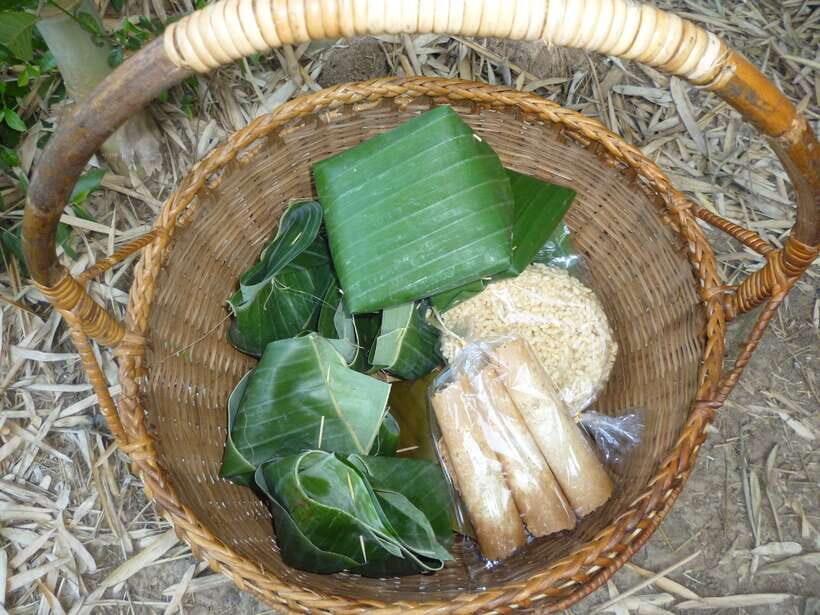
I also really value the shared picnic moment in the middle of the hike, with lunch that’s more than just fuel. In particular, one account highlighted a tablecloth made from a banana leaf, and the meal was described as genuinely impressive and delicious.
That kind of small detail makes the day feel personal, not staged.
The main drawback is that the hike can be more physically demanding than you might expect on paper. Even with 6–7 hours of walking time, steep sections and a slippery trail in wet months (April to September) can turn it into a proper workout.
In This Review
- Key highlights to look for
- Nong Tok gives you the Luang Prabang you’re actually here for
- The ascent: steep trail, skyline ridge, and that first big view
- Meet the guides: what makes the day feel real
- Nong Long koot: a stop that’s small, but it lands
- The picnic lunch halfway: where the workout turns into a memory
- The second half: descent, forest walking, and the long exhale
- How hard is it, really? Plan for a workout, not a stroll
- Price and value: what $85 buys you in the real world
- Small-group format: why it matters on a village hike
- What to pack so you don’t ruin your day
- Things you can’t do (and why it’s better this way)
- Should you book this off-the-beaten-track Luang Prabang hike?
- FAQ
- Where do I start the hike, and how long is the drive?
- How long will I be walking?
- What’s included in the price?
- Is lunch included, and what’s it like?
- How many people are in the group?
- Is this hike slippery in any season?
- What should I bring?
- Are sandals or flip-flops allowed?
- Who is this tour not suitable for?
- Is tipping included?
Key highlights to look for
- Nong Tok valley villages: Hmong and Kamu communities you don’t see in the usual Luang Prabang loop
- A skyline ridge payoff: big views over Nong Tok and the surrounding hills after a steep start
- Food and herb spotting: rice, coriander, chilli, and local herbs you’ll walk past on the slopes
- Nong Long koot stop: a quiet watering point for local animals in a pretty setting
- Picnic lunch halfway in: lunch served mid-trek, including details like banana-leaf tablecloths
- Forest descent to Ban Long Lao: the back half shifts from open views to shaded trails
Nong Tok gives you the Luang Prabang you’re actually here for
Most Luang Prabang days are either temples, slow river life, or day trips. This one is about walking into the valley villages around Nong Tok, where fewer visitors go and daily routines still shape the landscape—literally the path you’ll take and the crops you’ll pass.
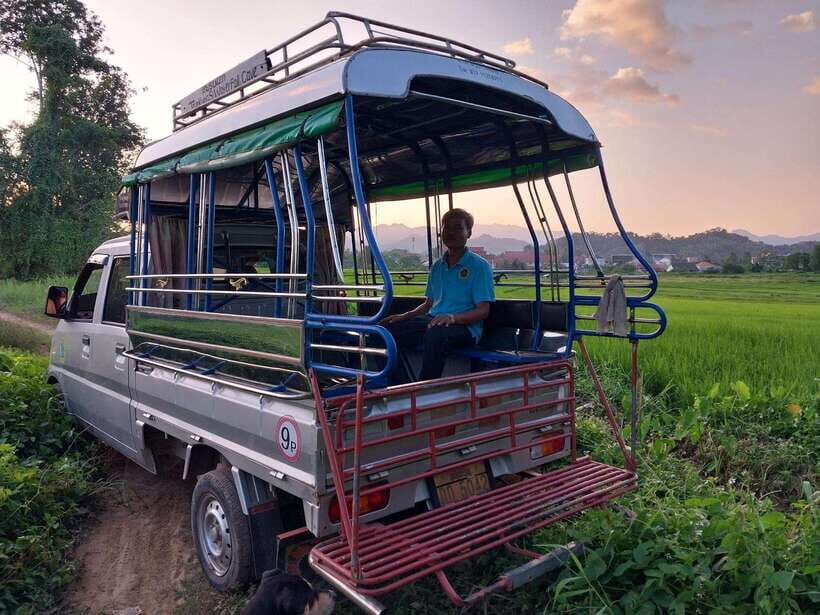
You leave at 8:30 AM and ride about 50 minutes west to Nong Tok, the hike’s starting point. The valley sits away from the main roads, so the day quickly changes mood: from town sounds to birds, footpaths, and conversations with people who live there year-round.
The ethnic communities you’ll meet are Hmong and Kamu, and the area includes Hmong families known as Lao Seung highlanders. The Nong Tok valley is lower altitude than the highest peaks people are traditionally associated with, which matters because it changes the hiking vibe—still challenging, but shaped by how life looks in the valley rather than on the extreme ridgelines.
A few more Laos tours and experiences worth a look

The ascent: steep trail, skyline ridge, and that first big view
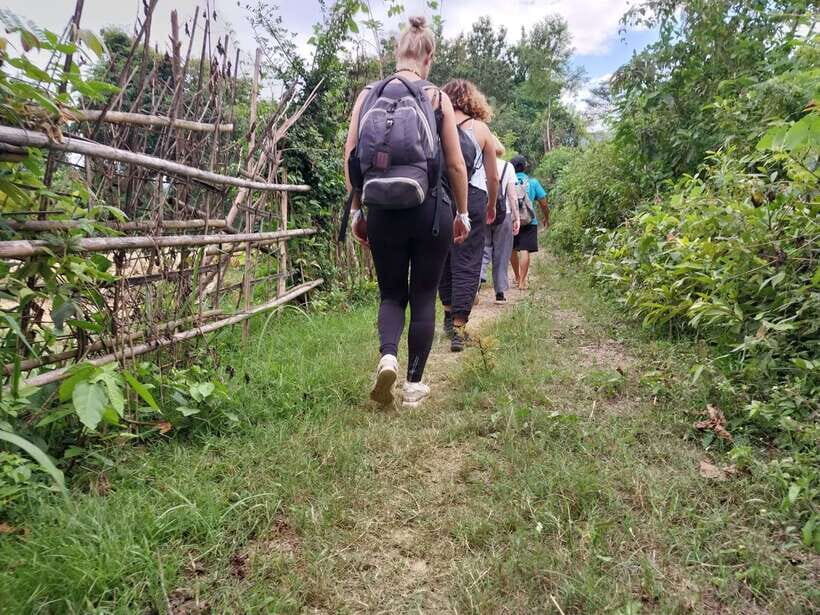
You’ll begin with a climb toward a skyline ridge, with views over Nong Tok village and the enclosing valley. This is the point where you start to understand why the hike exists at all: the best scenery comes after the effort, and the ridge perspective makes the valley feel wide and lived-in.
The hike follows a marked trail. Expect steep parts, and if you’re traveling between April and September, the description is clear that the path can be slippery. That’s not the moment to wear brand-new sneakers with zero grip or to assume you can “walk it off.”
You’ll also likely pass village-planted crops and herbs, including rice, coriander, chilli, and local herb varieties. It’s not just pretty farming scenery—this is the kind of practical knowledge that helps you read what you’re seeing, like why certain plants show up in patches along the slope.
Meet the guides: what makes the day feel real
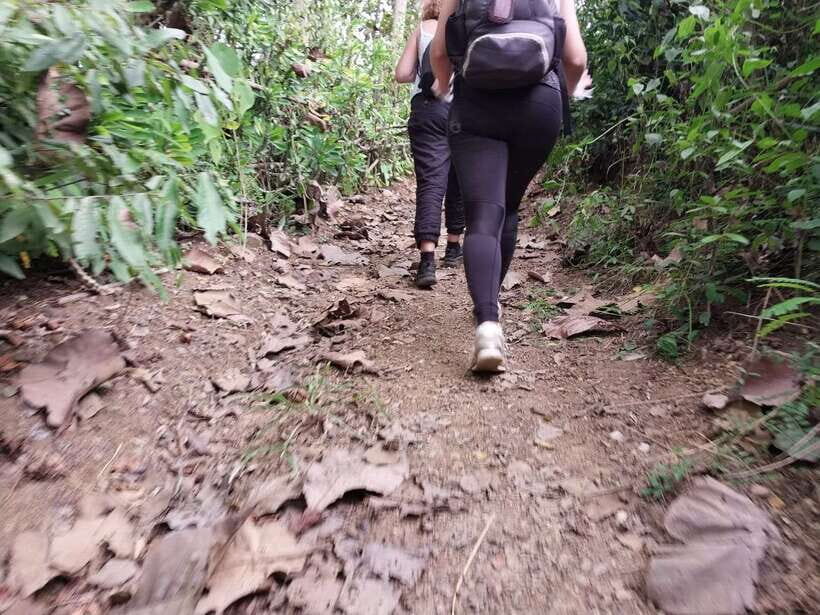
The trek is led by a mix of guides: a local English-speaking guide plus a Hmong trekking guide who acts as the trail leader. That matters because village walking isn’t only about directions—it’s about knowing what’s respectful, what to look for, and how to ask without turning people into a photo backdrop.
One guide mentioned in accounts is Mr. Tip, praised for sharing jungle medicine knowledge as well as fruits and plants. Another local guide named Phieng is repeatedly credited with taking good care and keeping the day meaningful even when the hiking gets tough.
You don’t need to be a botanist to appreciate this. What you need is curiosity and decent listening stamina, because the best parts of this day are often short conversations that happen while you’re still walking.
Nong Long koot: a stop that’s small, but it lands
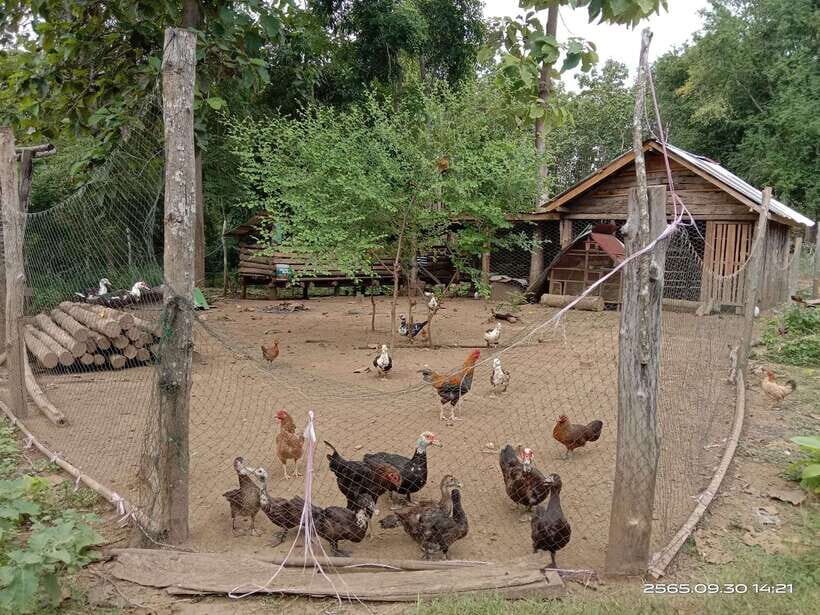
Around the route you’ll make a stop at Nong Long koot, a watering point for local animals. It’s a reminder that this isn’t just a viewpoint hike; it’s part of a working valley system where animals, water, and people share the same rhythms.
The setting is described as picturesque, so you get that rare combo: a practical place tied to daily life, and a moment to pause before continuing onward. If you like trips where the “cultural stop” isn’t forced into a performance, this is the kind of intermission that feels genuine.
The picnic lunch halfway: where the workout turns into a memory
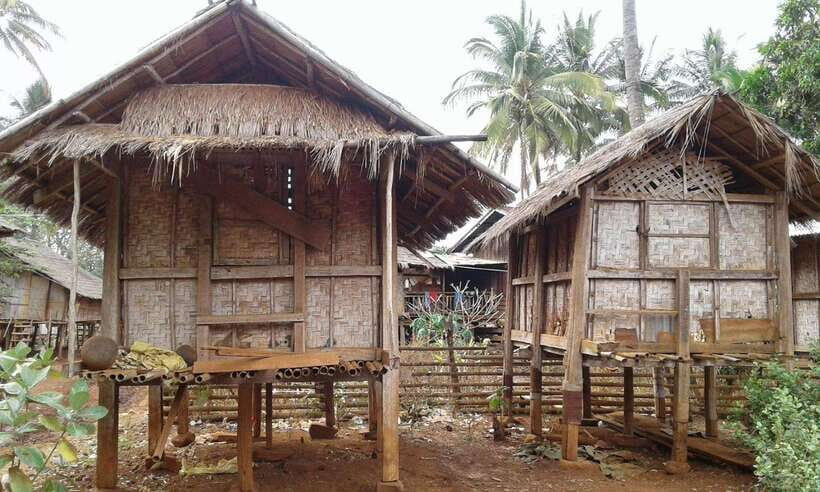
The picnic happens around halfway through the hike, after you’ve climbed enough to earn a rest and before the descent through forest begins. The lunch is included, and accounts say it’s not bland or rushed—people talk about the meal quality and the care put into the presentation.
One standout detail: lunch shared on a tablecloth made from a banana leaf. Even if you’ve had plenty of picnic lunches in your life, this kind of local touch does two things. First, it slows your brain down after the uphill. Second, it makes the meal feel connected to place rather than just included food.
Practical note: you’ll still be hiking afterward, so treat lunch like part of your day’s plan. Eat, hydrate, and reset your legs—not a full stop where you forget you still have a descent coming.
The second half: descent, forest walking, and the long exhale
After lunch, the route shifts. The latter half becomes a descent through forest toward Ban Long Lao. This part can feel different on your body: less climbing, but more time with gravity and uneven footing, which is why good shoes matter more than you think.
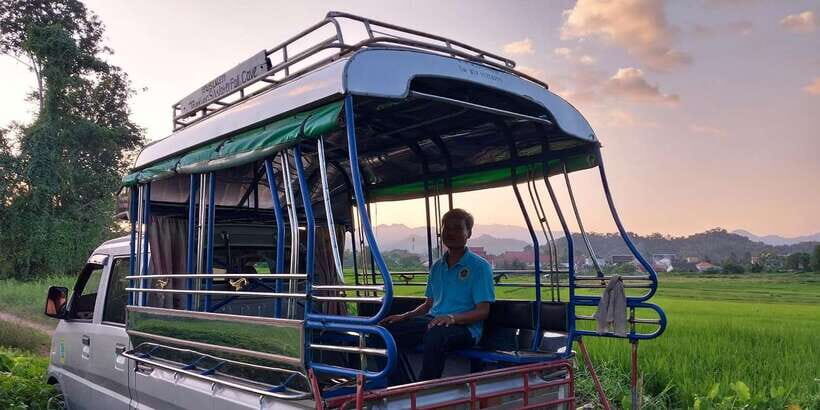
You’ll be met by your driver for the return to Luang Prabang once you reach Ban Long Lao. The typical aim is to be back at your hotel by about 4:00 PM, which keeps the day from dragging into late afternoon even though you’re out in the wilderness for most of it.
How hard is it, really? Plan for a workout, not a stroll
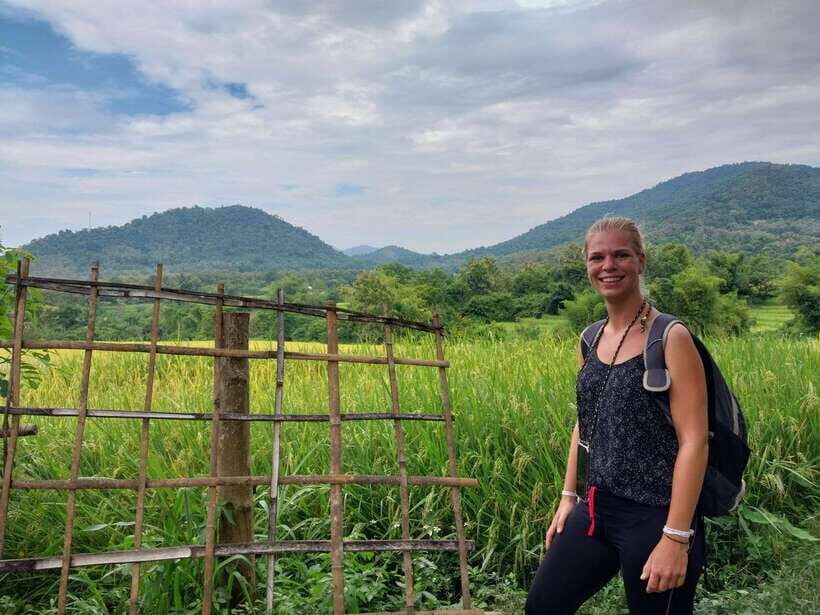
This is a hiking tour with 6–7 hours of walking time, and multiple parts of the route can be steep. One account measured the day as about 12 km with roughly 500 m of vertical climbing, which helps you picture the effort more clearly.
So who will enjoy it? If you walk regularly and can handle steep, uneven trail sections, you’ll likely find the views worth the strain. In accounts, people in their mid-fifties who walk a lot still found it difficult at times, but very enjoyable when the reward kicked in.
If any of the following apply, the tour isn’t a good fit: low fitness level, recent surgery, high blood pressure, heart problems, back problems, pregnant, children under 12, people over 70, wheelchair users, or anyone with insect allergies (and animal allergies, too). The tour is also not suitable for people currently sick with a cold, based on the provided notes.
Price and value: what $85 buys you in the real world
At $85 per person for an about 8-hour day with pickup, guides, picnic lunch, and water, the price sits in the “pay for quality and local access” zone.
Here’s why the value can be good:
- You’re getting a small group capped at 6 participants, which usually means less crowding and more time for questions
- You’re hiring local trail leadership plus an English-speaking guide, which supports safe navigation and respectful village interactions
- Lunch is included, and the meal experience seems genuinely considered, including local touches like banana-leaf presentation
One caution from an account: someone felt the price was high for a group hike. If you’re cost-sensitive and just want generic views, you might decide it’s not worth it. But if you want a structured day with village contact, a meaningful mid-hike lunch, and a guide-led route into less-visited valley villages, this price is easier to justify.
Small-group format: why it matters on a village hike
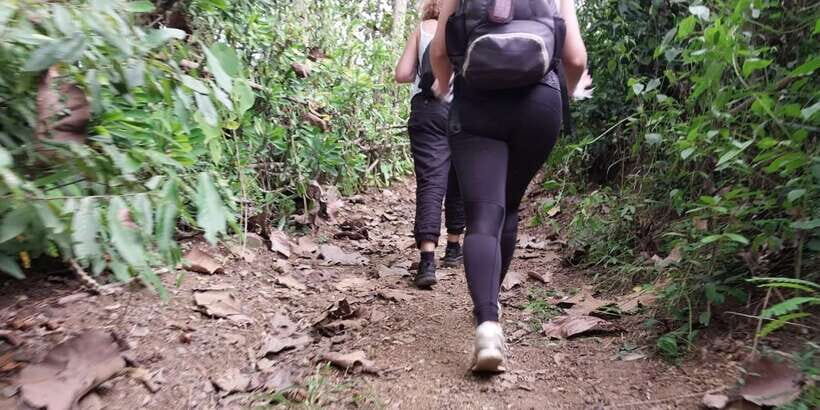
With a maximum of 6 participants, the pace stays human. That’s important because the hike isn’t flat and it isn’t a “run ahead for photos” kind of walk. A smaller group also makes it easier to hear what your guide is pointing out—like crops, herbs, and practical details from village life.
The tour runs with hotel pickup and drop-off. You should plan to wait in the hotel lobby 10 minutes before the scheduled pickup time, and the crew won’t wait more than 15 minutes after that.
What to pack so you don’t ruin your day
Bring hiking shoes (no sandals, no flip-flops), plus sunscreen and biodegradable insect repellent. Dress for sun and trail: you’ll be outside in bright conditions, so long clothes or proper trekking gear are recommended.
Also pay attention to the clothing rules: shorts, short skirts, and open-toed shoes aren’t allowed. Skirts and slippers are also called out as not allowed. If you like to travel light, choose one outfit you’re willing to hike in for hours, not something you’ll later regret halfway through the ridge climb.
Things you can’t do (and why it’s better this way)
This tour clearly sets boundaries. Pets aren’t allowed, and you also shouldn’t feed animals or touch animals. The rules also prohibit alcohol and drugs.
Even if you’re the respectful type already, these limits protect the environment and help keep village interactions appropriate. It’s one more reason to come as an active participant—walk carefully, ask questions, and let the day unfold without adding extra chaos.
Should you book this off-the-beaten-track Luang Prabang hike?
Book it if you want:
- a real village walk around Nong Tok with Hmong and Kamu communities
- ridge views that come after effort, not before it
- a small-group day with an included picnic that actually sounds memorable
Skip it if:
- you want an easy, laid-back stroll
- you don’t handle steep, sometimes slippery trail conditions well
- any of the health or fitness limitations listed in the tour notes apply to you
If you’re moderately fit, enjoy learning by walking, and you like days where guides matter, this is a strong pick. The best part is the combination: physical work up front, then a human-scale lunch stop and a forest descent that feels like you’re leaving the main tourist loop behind.
FAQ
Where do I start the hike, and how long is the drive?
You leave your hotel at 8:30 AM and drive about 50 minutes to the village of Nong Tok, where the hike begins.
How long will I be walking?
You should expect about 6 to 7 hours of walking time during the day.
What’s included in the price?
The tour includes hotel pickup and drop-off, an English-speaking guide, a local village guide, a picnic lunch, drinking water, and a first-aid kit.
Is lunch included, and what’s it like?
Yes, picnic lunch is included and is eaten around halfway into the hike. Accounts mention the meal is delicious and that it may be served on a banana-leaf tablecloth.
How many people are in the group?
The group is small, limited to 6 participants.
Is this hike slippery in any season?
The trail can be slippery in the wet season, from April to September.
What should I bring?
Bring hiking shoes, sunscreen, and biodegradable insect repellent.
Are sandals or flip-flops allowed?
No. Sandals or flip-flops are not allowed, and open-toed shoes aren’t allowed either.
Who is this tour not suitable for?
It’s not suitable for children under 12, pregnant women, people with back or heart problems, people with low fitness, people over 70, wheelchair users, and anyone with insect or animal allergies. It’s also not suitable for people with a cold or those with recent surgeries.
Is tipping included?
Tipping for guides and the driver is not included.