REVIEW · PHONSAVAN
Plain of jars tour with local guide
Book on Viator →Operated by Laos Minivan Tours · Bookable on Viator
Stone jars, spoon stalls, war echoes, all in one day.
This Plain of Jars with local guide route is interesting because it stitches together the archaeological sites with everyday village life: Ban Naphia’s spoon-making economy (including the aluminum-bomb casing materials) and stories shared right on location. I love the pacing because you’re not rushed between Site 1, 2, and 3—you get real time on the ground, plus a bit of room to explore. I also love that the guide brings context, including the cultural meaning and origins stories, and even named guides like Mr Lar and Su get praised for making it click. One consideration: you’ll be walking on paths that can be uneven, and Site 2 and the jar areas involve short walks and going at outdoor temperatures for hours.
A couple of practical things can shape your comfort. The tour runs about 8 hours, includes lunch, but soft drinks cost extra, so plan on water. Also, the exact order follows the day’s timing, so if you’re the type who hates schedules, you’ll want to keep your expectations flexible.
In This Review
- Key things you’ll notice on this tour
- A full day linking three jar sites and Muang Khoun
- Ban Naphia spoon village: aluminum bomb casings to market life
- Plain of Jars Site 3: a rice-field walk and tight context
- Plain of Jars Site 2 at Lak Khai: taller jars and a big tree inside
- Muang Khoun and Wat Phiawat: remains after 1964–1973 bombing
- Plain of Jars Site 1: the 334 jars finale
- Price and logistics: where the $146 makes sense
- How the day runs: timing, lunch, and pace
- What makes the guides matter on this route
- Who should book this Plain of Jars day tour
- Should you book Plain of Jars with a local guide?
- FAQ
- How long is the Plain of Jars tour with a local guide?
- Where does the tour start, and is pickup included?
- Which jar sites are included?
- How long do you spend at each jar site?
- Is lunch included?
- What is included in the price?
- What is not included?
- What’s the policy if I need to cancel?
Key things you’ll notice on this tour
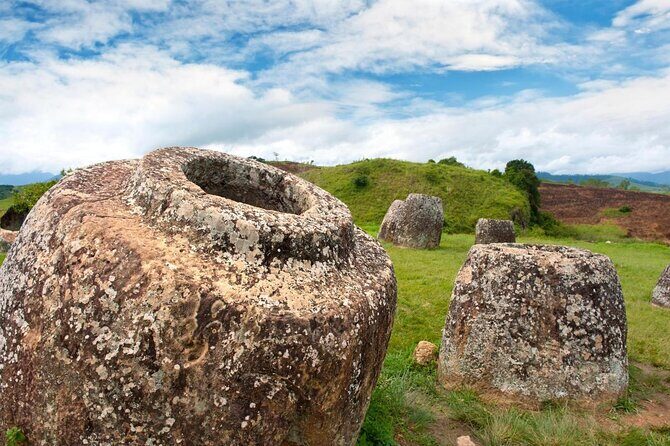
- Three Plain of Jars sites in one coordinated day, with different jar “styles” and settings.
- Ban Naphia spoon village in Phaxay district, where you can see aluminum-bomb casing spoons made for tourist and local markets.
- Muang Khoun remains (including Wat Phiawat and That foun), tied to the Vietnam War bombing period of 1964–1973.
- Walks that matter: you’ll cross a rice field to reach Site 3, so comfy shoes help.
- Lunch included, plus transport and all fees, which makes it easier to budget the day.
- A praised English-speaking guide, with Mr Lar and Su specifically mentioned for clear explanations and good care.
A full day linking three jar sites and Muang Khoun
Phonsavan’s Plain of Jars isn’t one stop. It’s a whole scatter of places, and this tour treats it like that—slow enough to absorb what you’re seeing, but organized so you hit the major viewpoints without hassle. Your day starts with pickup from your accommodation and continues in a private minivan with an English-speaking driver-guide.
The big value here is the blend. Jar sites can feel like you’re just looking at stone and guessing. This route reduces that frustration by pairing each jar area with on-the-ground explanations—plus a village stop that shows how locals earn money today. When you connect those dots, the sites feel less random and more human.
You can also read our reviews of more tours and experiences in Phonsavan.
Ban Naphia spoon village: aluminum bomb casings to market life
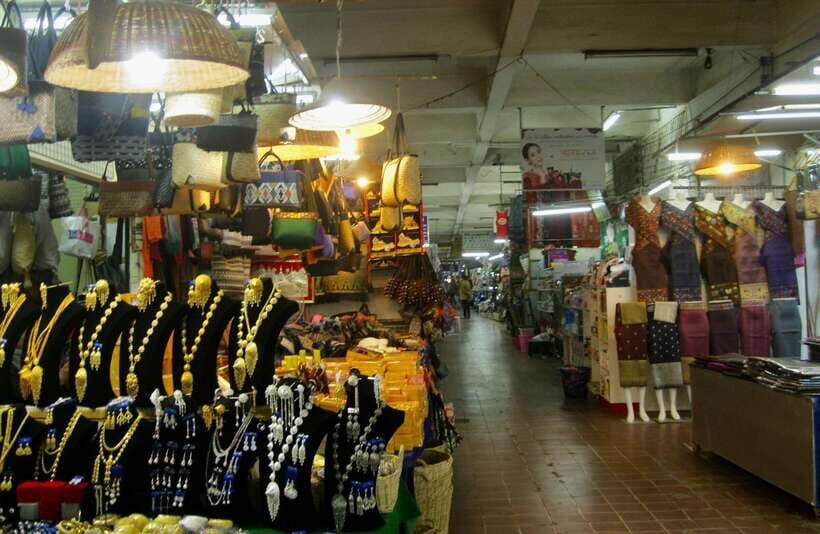
Your first stop is Ban Naphia, in the Phaxay district, and it sets the tone for the day. You meet around 8:30 a.m., then ride for about 30 minutes before arriving at a town with over thirty families. The focus is practical: many people make spoons from aluminum bomb casings to sell to tourists and also in local market trade.
What I like about starting here is that it reminds you the Plain of Jars isn’t only archaeology. Laos also has the long work of rebuilding and reshaping resources into livelihoods. If you’re the kind of traveler who pays attention to small details, watch how the selling side works—this isn’t just a photo opportunity. It’s the local economy in action.
One caution: if you’re sensitive to war-related topics, remember the materials are tied to the Vietnam War era. The tour doesn’t ask you to process anything alone, but the connection is part of the spoon story.
Plain of Jars Site 3: a rice-field walk and tight context
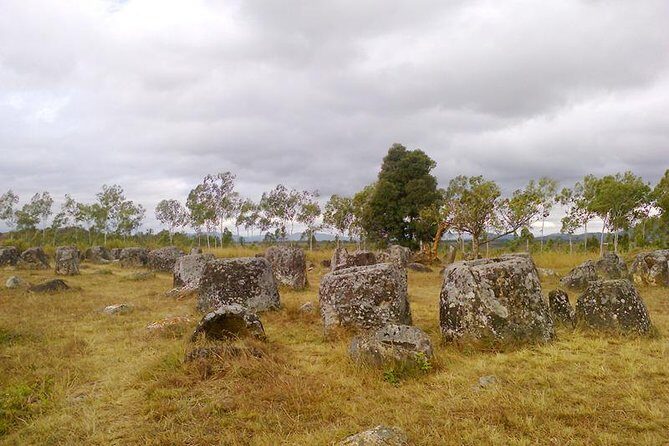
Around 10:00 a.m., you head to Plain of Jars Site 3, located in Ban Xieng di. The approach includes a short walk—about ten minutes—across a rice field. That simple detail matters. In rainy or off-season periods, the ground can change, and you’ll be happier with shoes that handle uneven paths.
At Site 3, you’ll get a focused visit lasting about 45 minutes. The guide gives extra details, including how rice season affects what you see on the route. That’s a small thing, but it’s exactly the kind of local lens that turns a basic “jar spotting” stop into something you can remember.
A practical tip: take a moment before you enter the jar field to look at the setting from the edge. Even without any special tech, the way the jars relate to the fields and nearby paths helps you understand the scale.
Plain of Jars Site 2 at Lak Khai: taller jars and a big tree inside

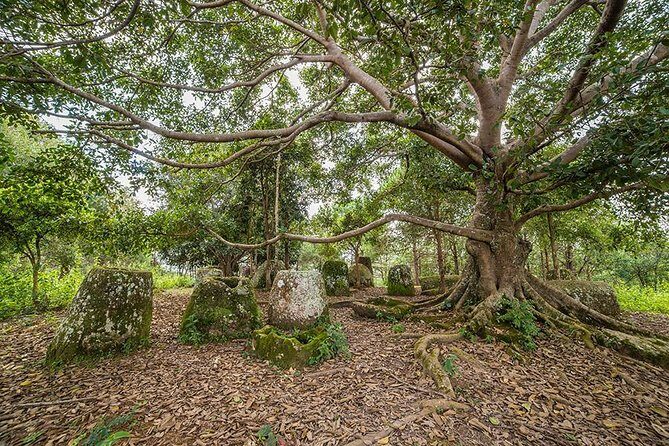
After lunch at Lak khai, the day shifts to Plain of Jars Site 2, starting around 12:00 p.m. This stop is tied to Ban Nakho and is often described as the site where the jar scene feels most visually distinctive. You’ll notice that jars here are special—tall and longer compared with Site 3-1—and there’s also the well-known sight of a big tree growing inside the jars.
That tree detail is one reason this stop lands well for many people. It’s the kind of image you can’t fully appreciate from postcards because you need to stand close enough to see how the plant has taken hold. The jars stop being purely stone objects and start looking like features life has moved into over time.
The time at Site 2 is about 35 minutes. That’s long enough to walk the main area and absorb the shape differences, but short enough that you won’t feel trapped. If you like to linger, use your time well: start with wide views, then come back for close inspection.
Muang Khoun and Wat Phiawat: remains after 1964–1973 bombing
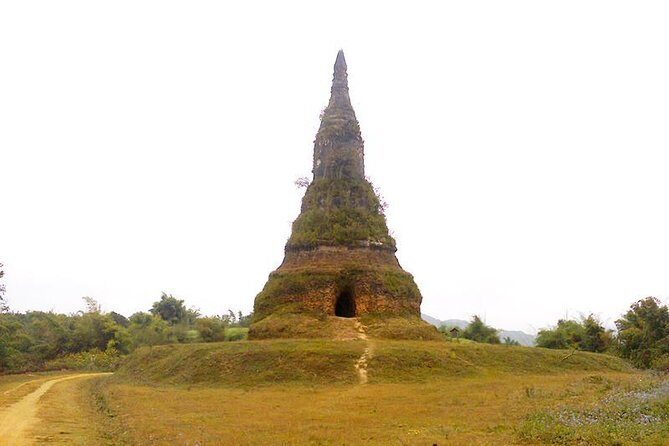
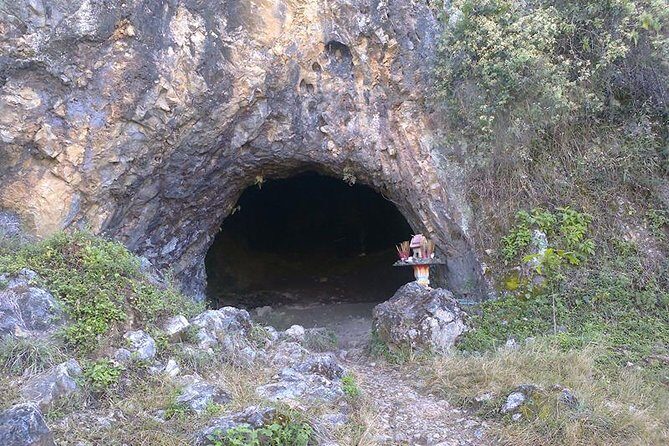
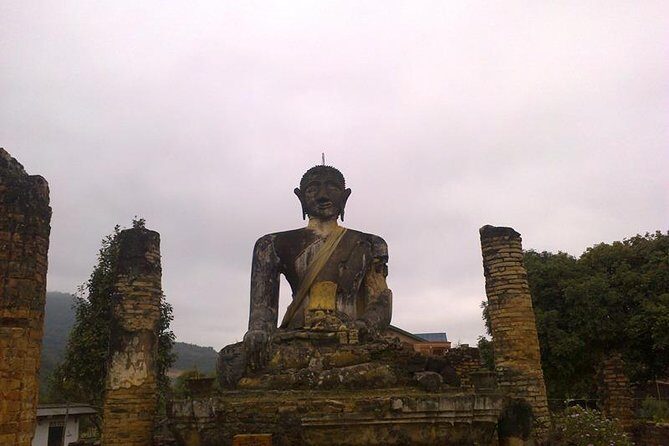
At around 2:00 p.m., you move to Muang Khoun, the former capital of Xieng Khouang. This area was heavily bombed during the Vietnam War period from 1964 to 1973, and your visit focuses on remaining landmarks, including That foun and Wat Phiawat.
This part of the day can feel heavier than the jar stops. Not because you’re doing anything dramatic, but because the story is tied to a specific conflict. The tour keeps it grounded: you see the remains and then the guide helps connect what you’re seeing with the broader context.
Expect about an hour here. That’s enough time to move between key points at a slow pace without feeling like you’re sprinting for photos. If you want an easier emotional rhythm, pause and let the setting settle first—take in the ruins, then ask questions of your guide when you’re ready.
Plain of Jars Site 1: the 334 jars finale
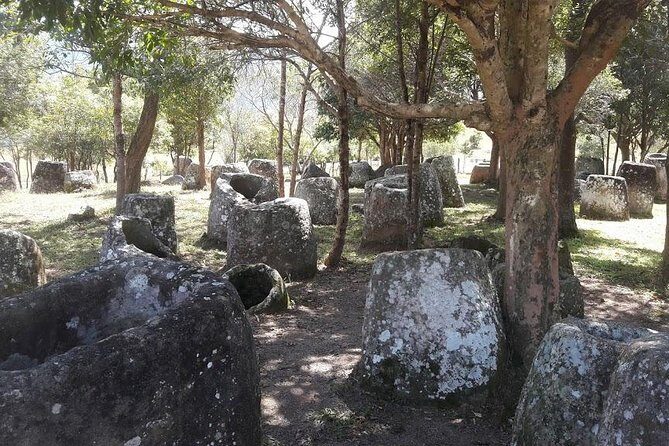
Late afternoon, around 3:30 p.m., is your final jar stop: Plain of Jars Site 1. This is the one that tends to anchor the day because it contains 334 jars scattered around, with an estimated total weight above 6 tons.
This stop lasts about 40 minutes, and transport is included so you finish with a hotel drop-off. The way the day ends here is smart. If earlier sites taught you how to look, Site 1 lets you test that skill on the most concentrated jar field on your route.
Site 1 also gives you a natural closing point for questions you might have held back. After you’ve seen multiple sites, you’ll better understand what varies and what stays consistent. It’s also a good moment to compare visual scale: tall jars, clusters, spacing, and the relationship between the jars and surrounding ground.
Price and logistics: where the $146 makes sense
The tour price is $146 for about 8 hours, and the value comes from how the day is packaged. You’re not just paying for entry. You get private transportation, an English-speaking driver-guide, lunch, and all fees and taxes. Admission is included where it applies at the jar sites, and other stops are free.
What’s not included is simple: soft drinks. That’s common, but it affects budgeting if you tend to buy drinks during tours.
You also get practical convenience: pickup and drop-off at your accommodation, plus a mobile ticket. If you dislike map stress and the mental load of coordinating timing between scattered sites, this kind of all-in plan can be a relief. Even if you’re comfortable navigating on your own, the time you save adds up on a long day.
Group discounts are available, but the experience is private—meaning only your group participates. That tends to make questions easier and reduces the awkward feeling of trying to hear over other tour chatter.
How the day runs: timing, lunch, and pace
The schedule is built around a smooth flow: morning pickup, a first village stop, then jar sites in the late morning and midday, followed by Muang Khoun in the afternoon, and finishing with Site 1 close to 3:30 p.m. You’ll be on the move most of the day, but the durations are reasonable: about 30 minutes for Ban Naphia travel and entry time, 45 minutes at Site 3, 35 minutes at Site 2, 1 hour at Muang Khoun, and 40 minutes at Site 1.
The lunch stop at Lak khai is included, which helps you avoid the common problem of hunger messing with your attention span. If you’re trying to keep your energy steady, eat a normal lunch and then keep water handy for the jar-site walks.
A small but important comfort note: Site 3 has that rice-field crossing. Even if it’s only ten minutes, it’s one more reason to wear closed shoes. Sandals are fine until they aren’t.
What makes the guides matter on this route
Jar sites can be visually impressive and still feel vague if you don’t get context. The strongest praise tied to this experience centers on guides who explain cultural significance and stories of origins in a clear, watchable way.
Mr Lar and Su are specifically called out for being helpful and informative, and for keeping the day well paced. That combination matters: a tour can be informative but rushed, or paced but shallow. Here, the feedback suggests you get both time and explanation.
If you want to get the most out of the day, ask your guide one or two focused questions during the jar stops. For example: what is most different between each site? Or what details should you notice first when you arrive? Your guide can steer you toward what to look for beyond just the jars themselves.
Who should book this Plain of Jars day tour
This is a good fit if you want an organized day that hits the main jar sites and still includes local life, not just ruins. It’s also ideal if you like learning in small chunks—village stop in the morning, jar area after jar area, then a historical remain stop, and a strong finish.
You’ll likely enjoy this most if:
- you want three Plain of Jars sites in one day without juggling transport
- you care about how locals make a living today, not only ancient stone
- you prefer a guide-led experience with time to look on your own
If you’re traveling with limited stamina, you should plan for outdoor walking and multiple stops. Most travelers can participate, but it’s still a full day, not a short stroll.
Should you book Plain of Jars with a local guide?
Book it if you want a structured, low-stress day that blends archaeology with living culture. The $146 price feels more justified when you compare what’s included: private transport, an English-speaking guide, lunch, fees, and a route that covers Sites 1, 2, and 3 plus Muang Khoun.
Don’t book it if you hate long days or you want a slow, independent wander with no schedule. This day runs like a plan, and it moves. But if you’re okay with that, you’ll come away with a clearer sense of the sites and the surrounding human stories.
For me, the deciding factor is simple: you get to see jars in more than one setting, and you start the day with Ban Naphia’s spoon-making—so the Plain of Jars doesn’t feel like a disconnected stop. It feels like a place with continuity.
FAQ
How long is the Plain of Jars tour with a local guide?
It’s about 8 hours.
Where does the tour start, and is pickup included?
Pickup and drop-off are offered at your accommodation.
Which jar sites are included?
You visit Plain of Jars Site 1, Site 2, and Site 3.
How long do you spend at each jar site?
You’ll typically spend about 45 minutes at Site 3, 35 minutes at Site 2, and 40 minutes at Site 1.
Is lunch included?
Yes, lunch is included.
What is included in the price?
Private transportation, an English-speaking driver-guide, all fees and taxes, and lunch.
What is not included?
Soft drinks are not included.
What’s the policy if I need to cancel?
This experience is non-refundable and cannot be changed for any reason.
If you want, tell me your travel month and whether you prefer early starts or slower mornings, and I’ll suggest what to wear and how to pace yourself for the rice-field walk and the afternoon ruins.