REVIEW · NONG KHIAW
Nong Khiaw: 2-Day Trekking,Hmong village,Home Stay&Kayaking
Book on GetYourGuide →Operated by Nong khiaw Nature Tour · Bookable on GetYourGuide
Jungle trails meet village life. This Nong Khiaw trek is a smart mix of moderate hiking, real village time, and a slow Nam Ou River kayaking stretch that feels like a deep breath after the trail. I especially liked learning bamboo handicrafts with locals and sharing dinner at the home-stay, not just passing through. The one thing to think about: the trek is marked moderate to challenging, so you’ll want proper shoes and a steady pace.
The guide matters a lot here. In the best moments of the trip, you’re not just walking—you’re getting context from someone like Bick, who’s known for being cheerful and teaching land, people, and local history in a way that makes the stops click.
One more practical heads-up: while the tour is listed with an English-speaking guide, not every English delivery is the same day-to-day, so if you really want detailed explanations of village life, come with patience and questions.
In This Review
- Key highlights worth planning for
- From Nong Khiaw to the trails: what the first day sets up
- Day 1: village lunch, bamboo crafts, and a home-stay dinner
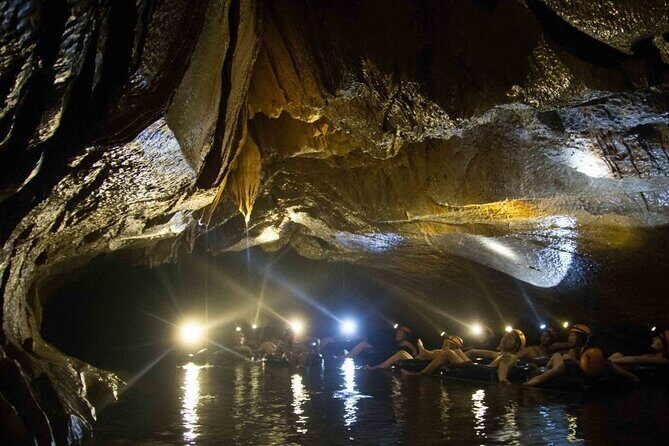
- Day 2: boat to Muang Noi, cave history, and Phanoi viewpoints
- Tad Mork Waterfall: trek, swim, and a river comeback
- Kayaking the Nam Ou River: birds, fishermen, and the slow part of Laos
- Price and what $80 buys you in real value
- The guide experience: why Bick tends to be the difference-maker
- Who should book this trek (and who should reconsider)
- Practical tips before you go
- Should you book Nong Khiaw: 2-Day Trekking, Home Stay & Kayaking?
- FAQ
- How long is the Nong Khiaw trekking and home-stay experience?
- What does the tour include for meals and lodging?
- Do I get to swim and kayak during the trip?
- Is the trek difficult?
- What language is the guide?
- Where does pickup happen?
- What’s the main cancellation rule?
- What should I bring and what should I avoid?
Key highlights worth planning for
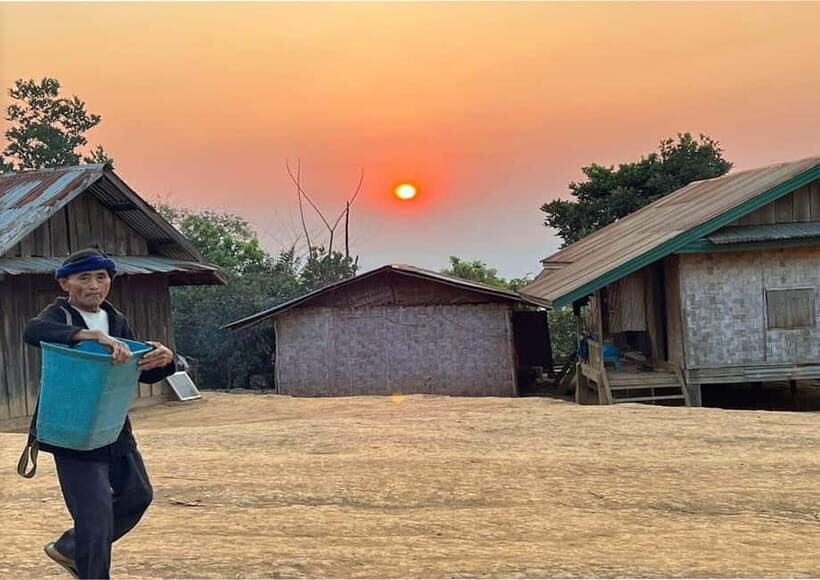
- Ban Naluang Lao, Khmu, and Hmong villages: multiple ethnic village visits in two days.
- Bamboo handicrafts workshop: hands-on making, guided by a local villager.
- Cave and Phanoi viewpoint: a history-and-views combo without needing a big hike.
- Tad Mork Waterfall swim: a cool reward after trekking.
- Kayaking the Nam Ou River: quiet water time with birds, water buffalo, and fishermen around.
From Nong Khiaw to the trails: what the first day sets up
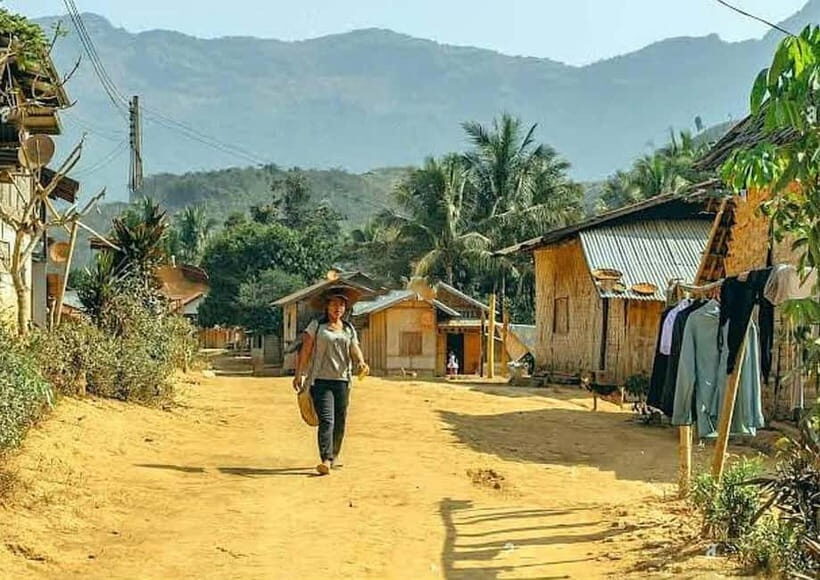
Your adventure starts in Nong Khiaw, then you’ll ride by tuk-tuk to the first set of remote villages around the Nam Ou area. This matters because it saves you from spending your day getting there. Instead, you’re walking into rural life relatively quickly, with time left to slow down later.
The first village block focuses on how people live day to day—how the villages are organized, how people move around, and what a normal afternoon looks like when you’re not in a tourist spot built for selfies. You’ll also have lunch along the way, which keeps the trek from feeling like one long slog.
Then the day continues toward more village communities, including Tai Lao, Khmu, and Hmong. One of the best parts of this format is that you’re not just ticking boxes. You’re getting a sense of how culture and daily routines vary village to village, even when the setting is the same forest-and-river region.
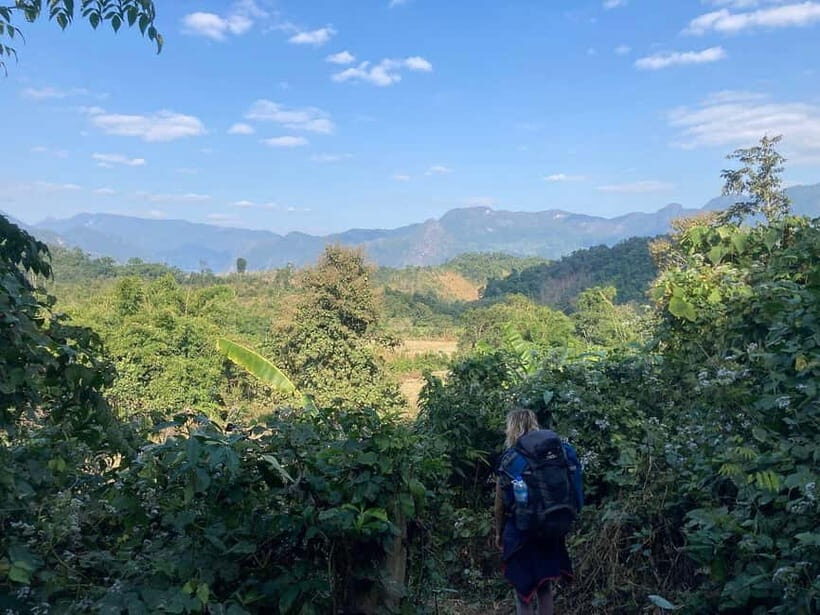
A small note: this isn’t a stroll tour. The day includes trekking through primary forest, so you’ll feel mud, roots, and uneven ground at times. Bring the right footwear and don’t plan to wear brand-new shoes that haven’t been broken in.
You can also read our reviews of more tours and experiences in Nong Khiaw.

Day 1: village lunch, bamboo crafts, and a home-stay dinner
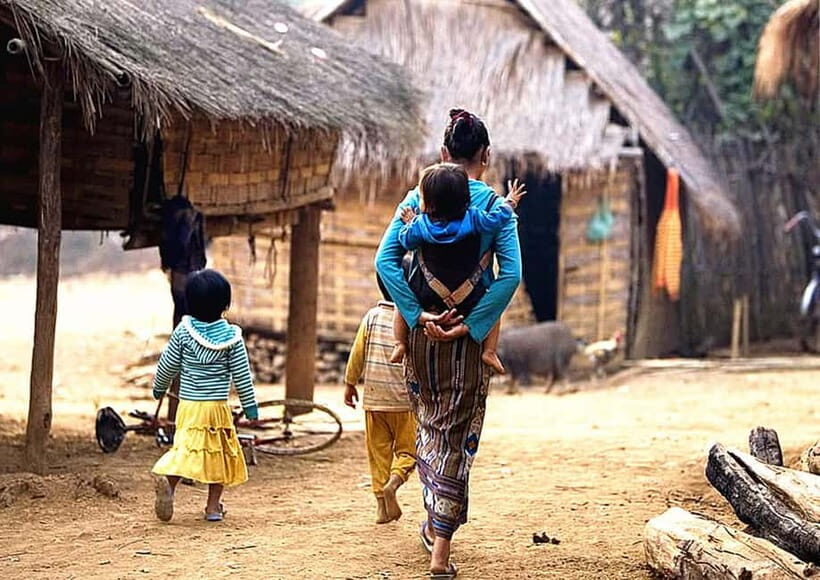
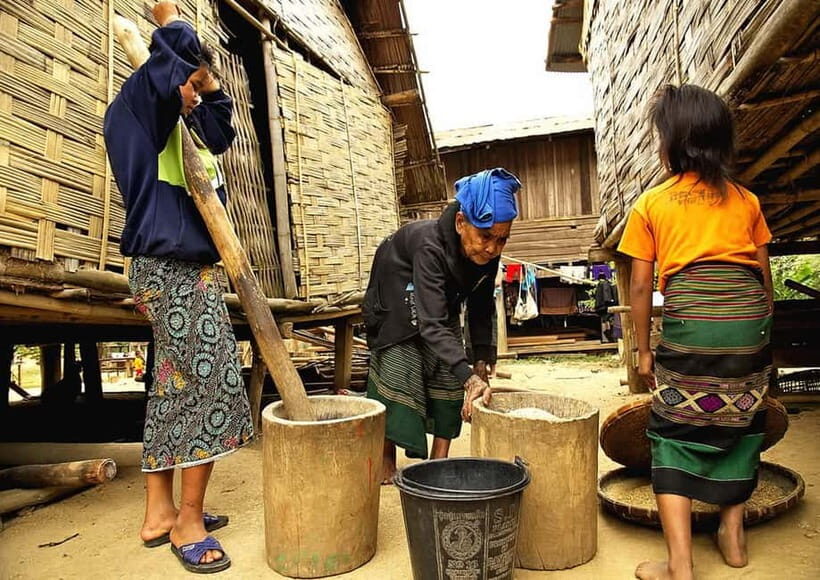
Day 1 is the cultural core of the trip. You’ll visit villages like Ban Naluang Lao, plus Khmu and Hmong communities. After exploring, you’ll reach the part many people remember most: the bamboo handicraft workshop.
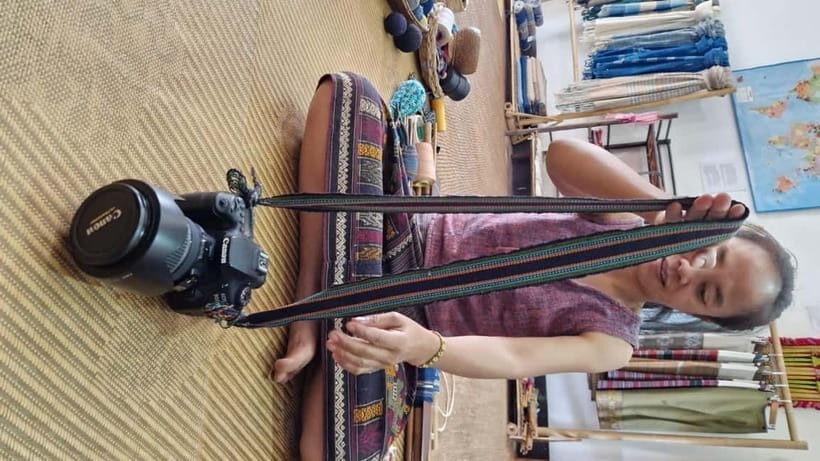
This isn’t a quick demo where you watch someone else work. You’ll learn bamboo craft techniques with help from a local villager, which turns the whole experience from viewing into doing. Even if you’re not an arts person, it gives you a practical appreciation for time, skill, and everyday materials.
If you care about how tourism can either flatten or distort a place, this part helps. The best version of this tour doesn’t push a performance. It’s about learning and sharing space respectfully—like asking simple questions and accepting that some answers come slowly, with gestures and patience.
By evening, you’ll cook and dine with villagers and then spend the night in the village. That night is where the experience turns from activity to memory. You’ll feel the rhythm of the home-stay environment—quiet, small sounds, and a slower pace than your hotel routine back in town.
Do check your expectations for comfort. The trip includes village overnight accommodation, so think basic and practical rather than hotel-like. Bring your calm self, keep expectations honest, and you’ll likely enjoy the simplicity.
Day 2: boat to Muang Noi, cave history, and Phanoi viewpoints
After breakfast, you shift from walking to water. You take a boat to Muang Noi village, and this change is not just scenic—it gives your legs a break and lets the day unfold at a different pace.
From there, you visit a historical cave and then head to the Phanoi viewpoint. This stop is a great example of why two days is worth it. In one day you can easily spend all your energy hiking and miss the “meaning” part. Here, the cave and viewpoint give you context and a mental reset.
You’ll also walk around the village, which is one of those small pieces that can matter more than it sounds. When you’re moving at a village pace, you notice everyday details you’d otherwise miss—what people carry, how they organize tasks, and how communities stay connected to the surrounding nature.
Lunch is included during the move toward the next village. Then you continue on to Sopkong village, where the day starts building toward the outdoor payoff.
Tad Mork Waterfall: trek, swim, and a river comeback
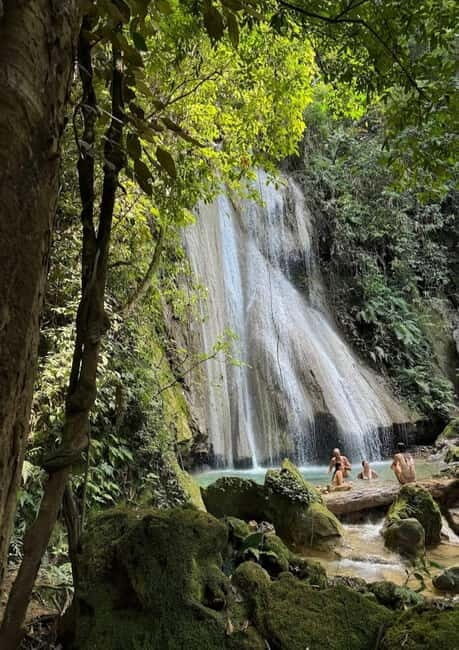
The afternoon includes a one-hour trek to Tad Mork Waterfall. It’s listed as moderate to challenging overall for the whole trip, so this short hike still counts. You’ll want energy for the climb and for the swim that follows.
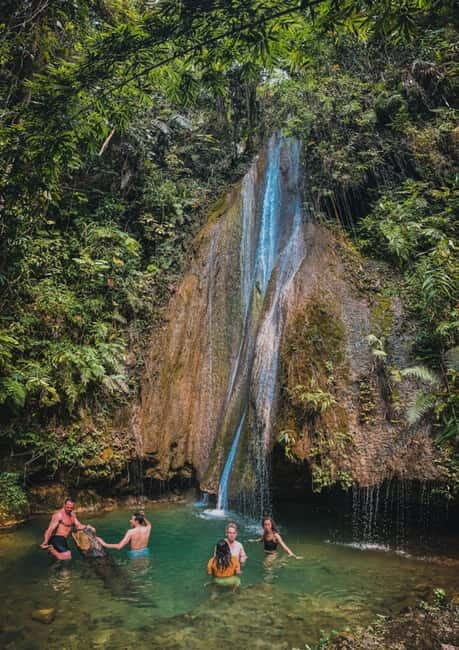
Then comes the main event: you can swim at Tad Mork Waterfall, which is exactly the kind of moment that makes the hike feel worth it. The water is described as a cool pool, and swimming there breaks the rhythm of walking and village time. It’s also one of the most memorable parts because it’s physical, immediate, and shared—everyone ends up cooling off together.
After the waterfall, you return to the river bank and switch to water again—this time in a kayaking setup down the Nam Ou River. This “walk → swim → kayak” sequence is smart. You get to use your body three different ways without turning the whole trip into one long endurance test.
Safety and comfort matter: wear the right swimwear, bring a towel, and use insect repellent. The trip asks for snacks too, which I’m always grateful for on hikes where you don’t want to rely only on meals.
Kayaking the Nam Ou River: birds, fishermen, and the slow part of Laos
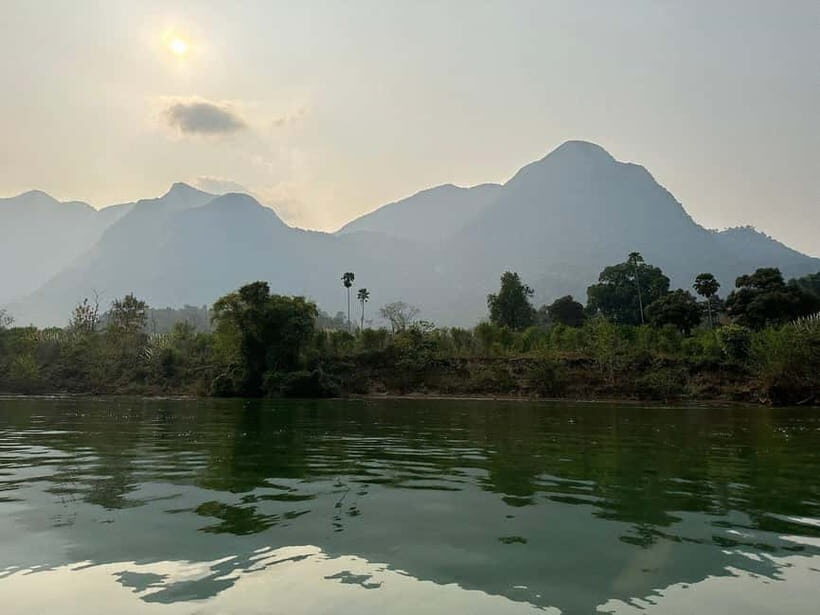
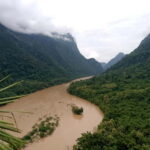
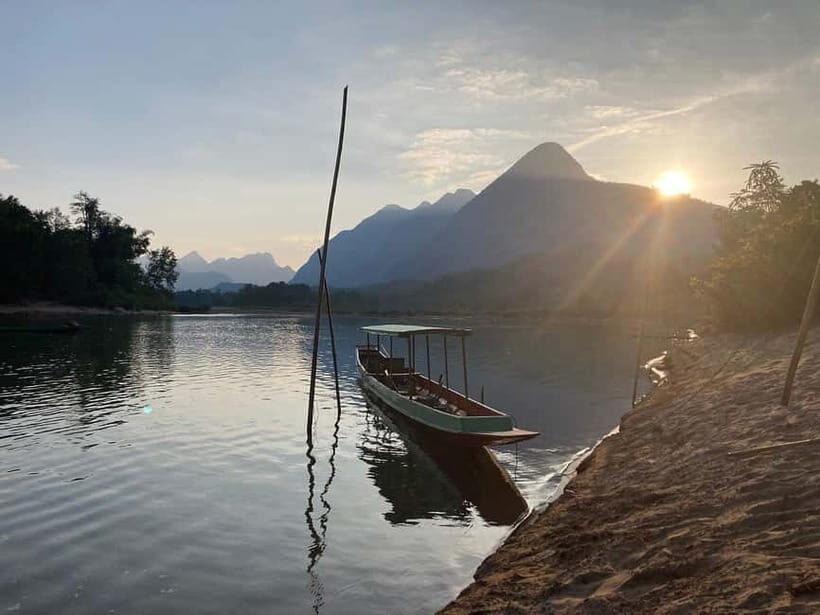
Kayaking is where many people’s energy drops into the good kind of quiet. You go downstream on the Nam Ou River, and the description includes spotting bird species, water buffalo, and fishermen as you drift along.
This is valuable travel time. On a boat and kayak, you’re not marching through a place. You’re watching how life sits next to nature. The river becomes the timeline—slow enough that you notice movement without needing to “capture” it.
Also, kayaking right after a waterfall swim feels good. You’re warm, then cool down, then you glide. If you’ve ever had a tour that rushes you from one stop to another, this river section is the opposite. It’s intentionally the calm chapter of the day.
Tip for enjoying it: if you’re holding a camera, keep your grip and stay aware of footing and entry/exit. Rivers are not the time for rushing.

Price and what $80 buys you in real value
At $80 per person for a two-day experience, the value comes from the bundle, not just the activities on paper. Your included items cover the hard parts of planning:
- a local guide
- lunch and dinner
- overnight accommodation in the village
- entry-type experiences like the cave and viewpoint stops
- bamboo handicrafts workshop
- water time (Tad Mork waterfall swim and kayaking)
You’re paying for more than transport and a guide. You’re paying for a structured path into remote villages, including food and a place to sleep that lets you actually spend meaningful time there. Most trips that only do day visits can’t replicate that home-stay night without adding extra cost or leaving you short on time.
Do remember what’s not included: tips and personal expenses. Budget a little extra for small purchases and gratuity if you feel the guide earns it.
The guide experience: why Bick tends to be the difference-maker
The name that shows up most positively is Bick. One recent review praises him as easygoing and always cheerful, and says his explanations helped people learn more than in weeks of independent travel. That matches what you want from a village-based hike: context.
A different review mentions the English being hard to follow at times. That’s a good reminder that language quality can vary by day and by the guide’s explanation style. If you care about details—like how village routines work, or what the cave means locally—bring your curiosity. Ask questions in simple terms. Even if explanations are imperfect, the shared effort goes a long way.
Who should book this trek (and who should reconsider)
This tour is best for people who like active days and cultural time that isn’t staged. You’ll enjoy it if you want:
- authentic village interaction and a home-stay night
- practical learning like bamboo handicrafts
- a clear outdoor rhythm: jungle trek, cave and viewpoint, waterfall swim, then kayaking
Where to be careful:
- The trek is moderate to challenging, and it’s not listed as suitable for people with back problems, mobility impairments, wheelchair users, or for pregnant women.
- It’s also not suited for children under 8.
If you’re unsure, don’t just think about your hiking endurance. Think about how you handle uneven ground, stairs (if any), wet rocks near the waterfall, and getting in and out for swimming and kayaking.
Practical tips before you go
The packing list is straightforward and you’ll be happier if you follow it:
- Comfortable shoes with grip
- Hat, sunscreen, and water (refillable bottle is a good idea)
- Swimwear plus towel for Tad Mork Waterfall
- Insect repellent (don’t skip this in warm, forested areas)
- Snacks for the trekking gaps
- Camera if you like birds and village details
Cultural sensitivity is part of the trip. The rules also call out things like not littering, not smoking, and not touching plants. I’d treat that as a respect checklist more than a checklist of restrictions—your good manners are part of the experience.
Should you book Nong Khiaw: 2-Day Trekking, Home Stay & Kayaking?
Book it if you want a two-day active cultural trip that includes hands-on crafting, a village overnight, and real water time on the Nam Ou. The combination of village learning plus Tad Mork and kayaking is what makes this one stand out as a full experience rather than a fast-moving itinerary.
Pass or ask more questions first if you need a low-impact option. The trek level is not “easy walk,” and the tour isn’t designed for mobility limitations or back issues. Also, if you strongly depend on detailed English explanations, you’ll want to confirm how the guide communicates before you go.
If your goal is to see the countryside in a way that feels lived-in—not just scenic—this is a solid pick. It hits the right balance of movement, learning, and that quiet river feeling you can’t rush.
FAQ
How long is the Nong Khiaw trekking and home-stay experience?
It runs for 2 days.
What does the tour include for meals and lodging?
It includes lunch and dinner, plus overnight accommodation in a village.
Do I get to swim and kayak during the trip?
Yes. You can swim at Tad Mork Waterfall and go kayaking on the Nam Ou River.
Is the trek difficult?
The trek is described as moderate to challenging, so comfortable, grippy footwear is essential.
What language is the guide?
The live tour guide is available in English.
Where does pickup happen?
Pickup is included from various locations or hotels within Nong Khiaw city, up to 5 kilometers away. You need to be at the pick up location.
What’s the main cancellation rule?
You can cancel up to 24 hours in advance for a full refund.
What should I bring and what should I avoid?
Bring comfortable shoes, a hat, swimwear, a towel, sunscreen, insect repellent, water, and snacks. The tour does not allow smoking, alcohol or drugs, littering, or touching plants.