REVIEW · VIENTIANE
A Full Day in Laid-Back Vientiane
Book on Viator →Operated by Asian Trails LTD · Bookable on Viator
Vientiane moves at temple pace. This full-day route feels especially good because you get both Wat Si Saket’s shrine-walls of Buddha images and the odd, fun energy of Buddha Park in one day. I also like that the lunch is included and the ride is air-conditioned, so you’re not baking your way between stops. One consideration: guide depth can vary, so if you want deeper explanations, ask questions early and make sure your dietary needs are clearly stated.
You’ll start with a morning pickup, then spend your day bouncing between Laos’ most important Buddhist sights and a couple of city icons tied to French-era influence. The day is built for comfort (especially in the heat), but it still includes some walking and a lot of standing around temples.
If you’re sensitive to sun and want smooth pacing, this tour can work well. Just be ready for a religious-sight vibe—take off your shoes where required—and remember that the Patuxai monument has an optional climb with a separate entrance fee.
In This Review
- Key Things To Know Before You Go
- Getting Oriented in Laos’ Laid-Back Capital
- Wat Si Saket: A Monastery of 6,800+ Buddha Images
- Ho Phra Keo: From Royal Temple to Buddhist Art Museum
- That Luang: Gold Stupa, Banana-Flower Shape, and a Relic
- Patuxai Victory Gate: Arc de Triomphe Inspiration and Lao Motifs
- Buddha Park: Mythological Statues and a Weekend Hangout
- Talat Sao Market: A Practical, Time-Limited Souvenir Stop
- Lunch and Transport: Where This Tour Tends to Shine
- Price and Value: Is $144.27 a Smart Deal?
- Who This Tour Fits Best (And Who Might Want a Different Plan)
- Should You Book This Full-Day Vientiane Tour?
- FAQ
- What time does the tour start?
- How long is the tour?
- Is lunch included?
- Are entrance fees included for every stop?
- Do I need to remove my shoes?
- Is the tour fully private?
Key Things To Know Before You Go
- Wat Si Saket’s interior is the main event: thousands of Buddha images and a well-preserved monastery feel.
- Ho Phra Keo is more than decoration: it functions as a museum of Buddhist art and sculpture linked to the Emerald Buddha story.
- That Luang is visually dramatic: a 45-meter, gold-covered stupa with a banana-flower shape and a relic connection.
- Patuxai can be worth the steps: you can climb for views, but the entrance fee is not included.
- Buddha Park gives you mythology in full scale: outdoor statues, plus locals relaxing there on weekends.
- Talat Sao is a practical souvenir stop: food, jewelry, clothing, and handicrafts—time permitting.
Getting Oriented in Laos’ Laid-Back Capital
Vientiane is one of those capitals where the pace suits you. It’s big enough to feel like a real city, but it doesn’t demand constant sprinting. This tour fits that vibe: you get a guided route through the sights you actually want, then you’re back at your hotel around 5pm.
A big practical win here is the air-conditioned vehicle. The heat can hit fast in Laos, and the tour structure helps you spend less time in it. I also appreciate that the day includes planned meals, not just a vague suggestion to find food on your own.
The tour is set up as a private experience, meaning it’s only your group with an English-speaking guide. That’s a plus if you’d rather ask questions directly and control the pace a bit. Still, the experience depends on the guide you get—some are strong storytellers with solid site knowledge, while others may keep things more surface-level—so come with a few questions ready.
A few more Vientiane tours and experiences worth a look
Wat Si Saket: A Monastery of 6,800+ Buddha Images
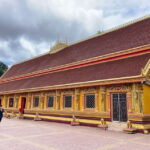
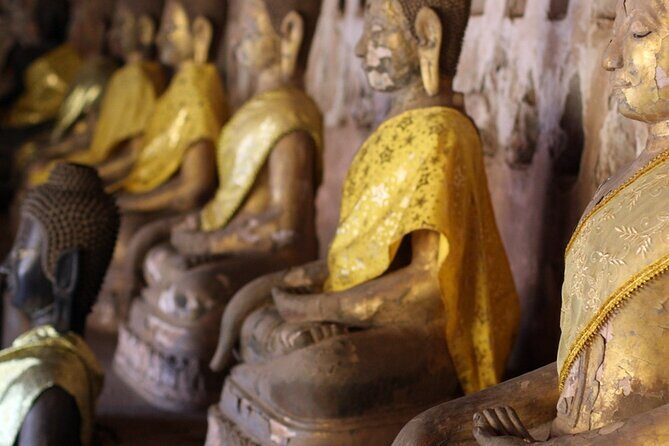
Your day starts at Wat Si Saket, described as the oldest monastery in Vientiane. This matters because older monasteries don’t just look historic; they feel layered. The standout here is the interior, where you’ll see more than 6,800 Buddha images and statues lining the space.
What you should expect: slow attention. This isn’t a one-photo-and-move-on stop. The walls can feel like a living timeline—small, repeated details that add up when you’re standing still. The guide’s job is to help you read what you’re looking at, and this is exactly where guide quality makes a difference.
The good news: even if you’re not an expert in Buddhist art, you can still appreciate the sheer “how is this even possible?” scale. You’ll also need to follow temple etiquette. Some sites require shoes off, and your guide will tell you where.
Practical tip: bring a lens cloth or wipe wipes for dusty surfaces. In this part of Laos, a dusty exterior is common, and it can show up on statues and stone floors.
Ho Phra Keo: From Royal Temple to Buddhist Art Museum
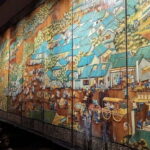
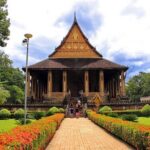
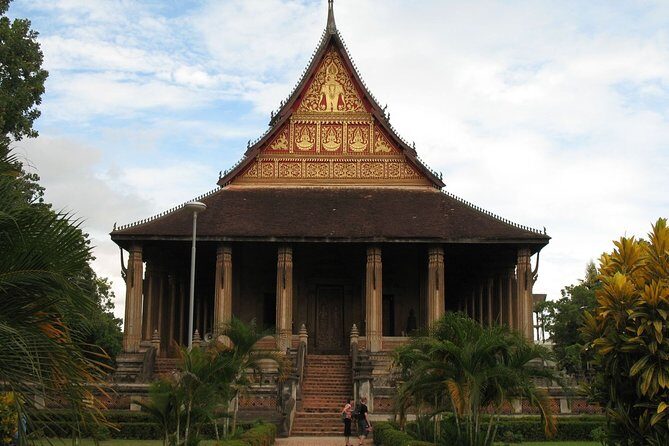
Next up is Ho Phra Keo, a former royal temple that now houses a museum of Buddhist art and sculpture. This stop is valuable because it ties religious art to political history in a way that’s easy to grasp: you’re looking at sacred works within a complex that once served royal power.
You’ll learn the connection to the Emerald Buddha. The complex is noted as the original home of the famous Emerald Buddha, which now resides in Bangkok. That single story thread helps you connect Vientiane to wider regional history without needing a big lecture.
What I like about this stop is that it’s structured. You walk through a museum setting, so you get context for what you’re seeing. It’s also a good break from outdoor sun, depending on how the museum spaces are arranged that day.
Watch-outs: the focus is Buddhist art and sculpture, so if you want landscapes or street-life photography, this is more indoor-detail than wide city shots. It’s worth it anyway, especially if you enjoy how craftsmanship and symbolism show up in repeated forms.
That Luang: Gold Stupa, Banana-Flower Shape, and a Relic
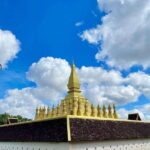
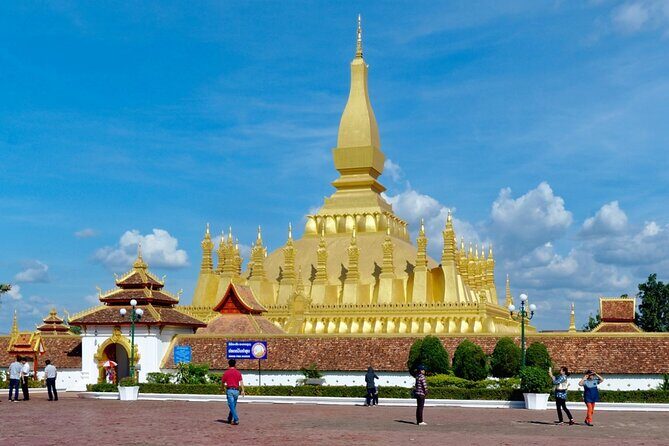
Then you move to That Luang, one of Laos’ most revered shrines. The first thing you notice is the stupa itself: about 45 meters tall, gold-covered, and shaped like a banana flower. It’s a distinctive look, and it’s not trying to be subtle.
This is also a place where the emotional tone matters. That Luang is connected to a relic from the Lord Buddha, so it’s not just architecture—it’s a spiritual landmark that draws reverence.
How to make the most of your time: slow down right when you see the stupa. Many people rush because they’re thinking ahead to the next stop. But That Luang rewards a pause. Stand, look, then let the guide explain the history and symbolism so the shapes make sense.
One practical consideration: like many major shrines, there may be more movement from locals compared to the museum-style stops. Plan for respectful spacing, and expect that you’ll spend some time standing.
Patuxai Victory Gate: Arc de Triomphe Inspiration and Lao Motifs
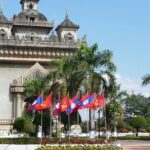
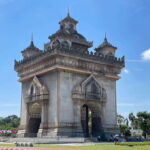
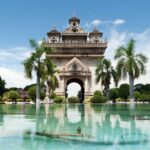
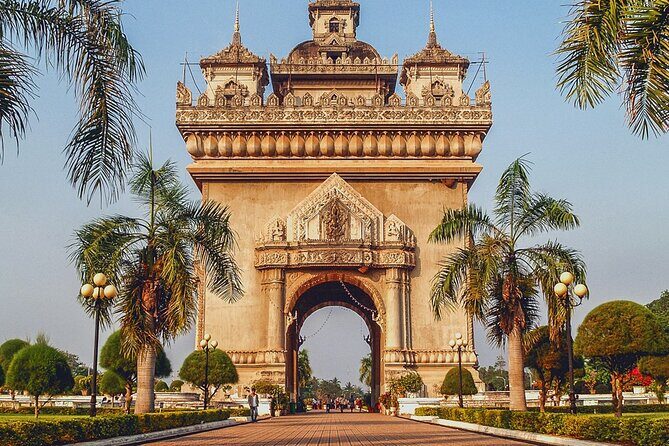
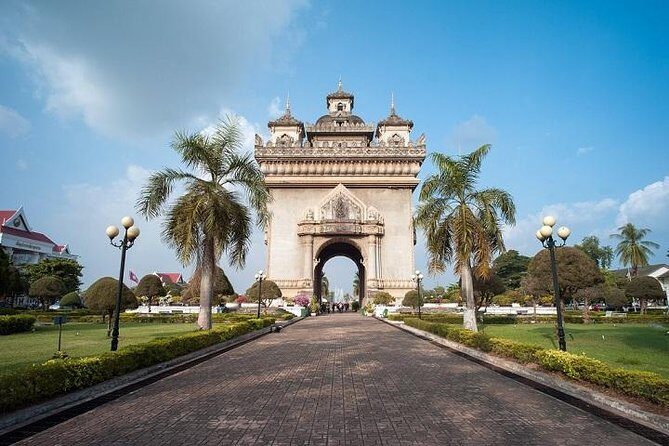
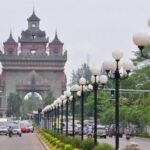
After lunch, you head to Patuxai, also called the Victory Gate or Patouxai. The connection to the French Arc de Triomphe style is real—this arch was first constructed in 1958, and it’s modeled after that idea of a monumental city gateway.
But what makes Patuxai more than a copy is the local design language. The structure includes Lao motifs such as Kinnaree figures, the bird-woman mythic theme. That blend is exactly why this stop works for people who like history and design, not just temples.
The optional climb is the big question. If you’re feeling ambitious, you can scale the steps to the top for views of the city below. The catch: the entrance fee for the climb is not included. So if you want that view, budget a little extra.
What to expect on the ground: a strong photo stop, but not a long sit. Think of Patuxai as a moment to switch gears—from sacred monuments to city icon.
Tip: if your energy is low after lunch, you can skip the climb and still get plenty out of the exterior and details.
Buddha Park: Mythological Statues and a Weekend Hangout
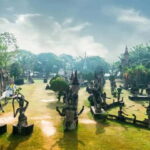
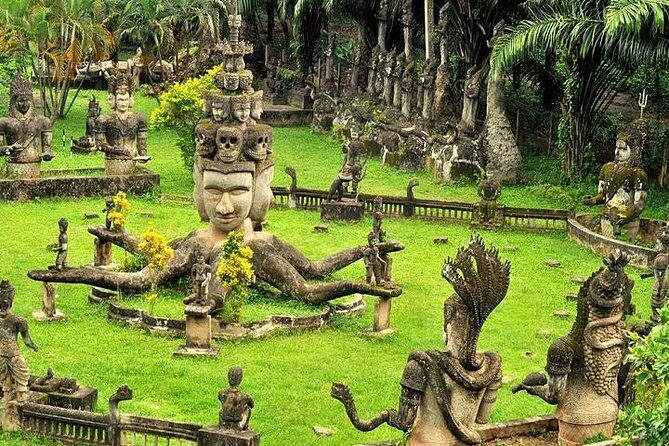
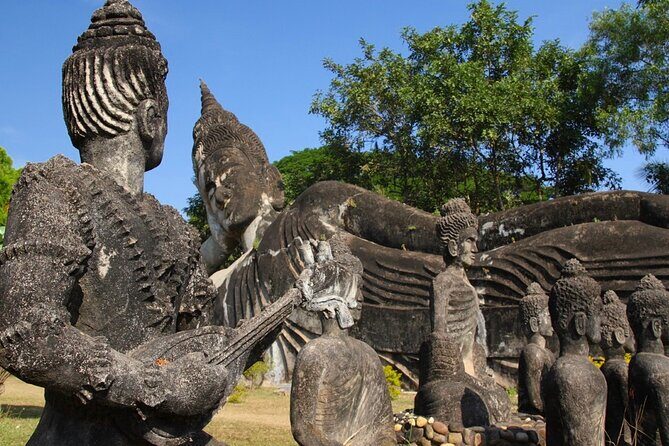
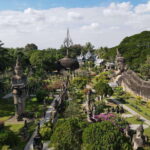
Next comes Buddha Park, one of the most memorable stops because it feels like Buddhism expressed through imagination at full scale. The park was built by a local monk in the 1950s, and it’s known for mythological statues tied to Buddhist themes.
What I like about Buddha Park is how it stretches your thinking. Temples often stick to tradition and repetition. Here, you see a more playful, symbolic approach: figures, shapes, and scenes that feel like they belong in a legend.
This is also where your afternoon pacing matters. The park is outdoor, so plan for sun and heat. Still, the atmosphere can be relaxed. If you visit on a weekend, you’ll likely see locals using the space to relax and socialize. That gives the park a living feel rather than a strictly tourist-only vibe.
Practical note: the park stop is long enough to walk and explore, but not so long that it drags. It’s a good balance between your morning intensity and your return to the city.
Talat Sao Market: A Practical, Time-Limited Souvenir Stop
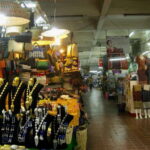
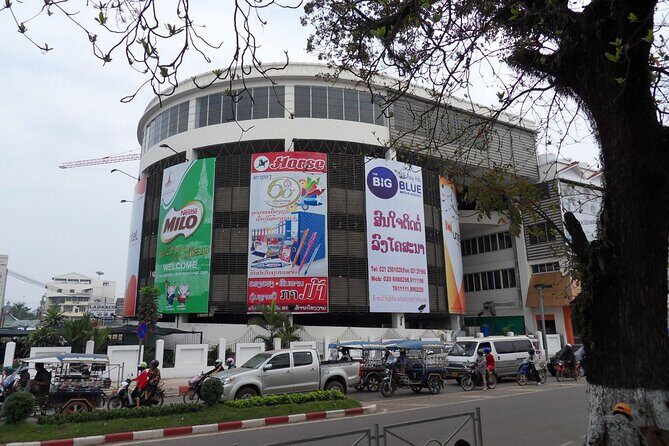
If time permits, you’ll stop at Talat Sao, Vientiane’s central market. It’s a mix of everything: food, jewelry, clothing, and handicrafts. The market is also described as a morning market by many.
This stop is useful for two reasons. First, it gives you a place to buy small, specific souvenirs without needing to hunt across the city. Second, it helps you end the day with a local, everyday energy instead of only temple scenery.
The main drawback is time. It’s a stop that happens only if the schedule allows. So don’t treat it like a full shopping afternoon. If you want to browse longer, you’ll probably need a separate plan.
Tip: go in with a shortlist. Markets can be exciting, but decision fatigue sets in fast when you’re tired from temple hopping.
Lunch and Transport: Where This Tour Tends to Shine
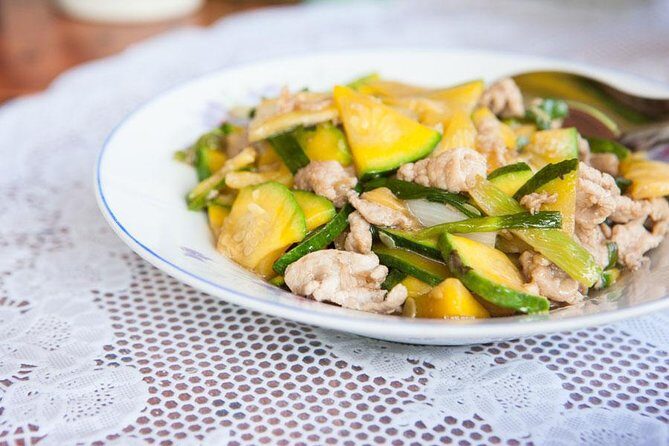
The included lunch is one of the easier parts of the day to plan. It’s at a local restaurant, and the package lists food only. In practice, that means you can count on a solid meal, but drinks and extras are on you.
What stands out is that the lunch isn’t just a filler. It’s described as delicious, with quite a lot of food in at least one account. That kind of meal helps because your afternoon stops are still active ones.
Transportation is another area where this experience can feel reassuring. You’re using an air-conditioned vehicle with a professional driver, and at least one driver named Mr Poon is mentioned for safe, comfortable rides. You’ll also want water and shade breaks, and the tour’s rhythm is built around that.
One thing to be careful about: dietary restrictions need to be communicated clearly. If you have any food requirements, tell your provider in writing when you book, and remind them the day before if possible. It’s one of those details that can make or break your day.
Price and Value: Is $144.27 a Smart Deal?
At $144.27 per person, this tour is priced like a full-day sightseeing package with guide and transport, not like a budget bus ride. The value comes from three things: the included guide time, the air-conditioned vehicle, and the cluster of admissions that are part of the day.
Here’s what’s included on the ticket side: entry fees for Wat Si Saket, Ho Phra Keo, That Luang, and Buddha Park. Talat Sao is free for the market stop. The one notable exception is Patuxai, where the climb/entrance fee is not included.
So you’re not paying separately for every major stop, which matters when you’re comparing tours. The other value is the pacing. Spending a full day with a driver who knows how to move you between religious sites saves time and mental energy—especially in a city where temple logistics can slow you down.
What could reduce value for you: if the guide doesn’t explain much, the day can still be fun, but you might feel like you’re just transporting yourself with occasional narration. If you care about stories and meaning, choose a time when your questions can get answered.
Who This Tour Fits Best (And Who Might Want a Different Plan)
This works best if you want a single-day overview of Vientiane’s major Buddhist landmarks plus the more unusual stop at Buddha Park. It’s a strong match for:
- First-time visitors who want the key sites without planning routes
- People who value comfort in hot weather (air-con and timed breaks)
- Travelers who like guided context for temples and sacred symbolism
It may be less ideal if:
- You expect very deep, academic explanations at each site
- You have strict dietary requirements and you’re worried they might not be followed
- You strongly dislike outdoor walking in the sun (Buddha Park is outdoor)
Also, because some experiences can run shorter than advertised in the real world, I recommend you confirm the agenda with your guide on the day you go. You’re aiming for a full day, but heat and crowds can shift things.
Should You Book This Full-Day Vientiane Tour?
I’d book this tour if you want a well-structured, day-long introduction to Vientiane’s most meaningful places, with transport that keeps you comfortable. The combination of Wat Si Saket, That Luang, and the very different vibe of Buddha Park is a good way to understand the city without staying in one theme all day.
I would hesitate if you need exceptionally detailed site history and you’re picky about guide performance—because guide depth can vary. If you book, solve that risk fast: ask your guide early what you care about, and bring up your dietary needs immediately and clearly.
If you want one day that shows you Vientiane’s spiritual side and its playful, symbolic side, this is a solid choice. It’s not a slow philosophical retreat. It’s a smart, scenic day that gets you seeing—and understanding—more than you’d manage on your own.
FAQ
What time does the tour start?
The tour starts at 9:00am.
How long is the tour?
It runs about 8 hours in total, with a return to your hotel around 5pm.
Is lunch included?
Yes. Lunch at a local restaurant is included, but it is food only.
Are entrance fees included for every stop?
Entrance fees are included for Wat Si Saket, Ho Phra Keo, That Luang, and Buddha Park. The entrance fee for the Patuxai Victory Gate climb is not included.
Do I need to remove my shoes?
Shoes-off rules apply at some religious sites. Your guide will let you know where this is required.
Is the tour fully private?
Yes. It’s a private tour/activity, and only your group participates.