REVIEW · VIENTIANE
Vientiane City Day Tour and Buddha Park Visit with Lunch | Laos
Book on Viator →Operated by Grayline Vietnam Threeland Travel · Bookable on Viator
Four Lao icons in one day is doable. This Vientiane tour strings together Wat Sisaket, Pha That Luang, Patuxai, and Buddha Park, with lunch and a textile stop in between. It also includes hotel pickup and drop-off, so you spend less time figuring out transport and more time actually looking at what makes Laos’ capital tick.
I especially liked the way the guide connects each site to Laos’ identity, not just its looks. The cloister at Wat Sisaket feels like a living museum, and Pha That Luang tells a very specific relic story that puts the monument in context. The second standout is Buddha Park, where Hindu and Buddhist statues mix in bold, modern shapes along the Mekong River.
One thing to consider: the day can be hot, and some temples involve stairs. If you don’t enjoy climbing or prolonged outdoor walking in the heat, you may want to pace yourself and take shade whenever the tour allows. And while lunch is included, it may not feel like a high-end meal for the overall price.
In This Review
- Key points to know before you go
- Wat Si Saket and the quiet intensity of 8,000 Buddhas
- Pha That Luang: the national symbol that still points to a relic
- Patuxai and the human cost behind the arch
- Carol Cassidy Lao Textiles: a break from temples with real craft know-how
- Lunch included: good to have, but not always a deal-breaker
- Buddha Park on the Mekong: strange, spiritual, and worth the walk
- Price and value for a $130 private day in Vientiane
- Guides, language, and how to get the most out of the day
- Who this tour fits best
- Should you book this Vientiane day tour?
- FAQ
- What’s the duration and start time?
- Is hotel pickup and drop-off included?
- What’s included in the price?
- Are drinks with lunch included?
- Is this tour private?
- Can I get a full refund if I cancel?
Key points to know before you go
- Wat Sisaket’s 8,000+ Buddha statues make the cloister a standout stop, especially if you like religious art details.
- Pha That Luang is treated like a national symbol, with a relic legend that helps you understand why it matters.
- Patuxai ties monuments to wartime memory, including WWII-era deaths and the push for independence from France.
- Carol Cassidy Lao Textiles adds a hands-on angle through weaving and natural dye processes.
- Buddha Park is a statue park on the Mekong with a mix of Hindu and Buddhist figures, including Laos’ largest reclining Buddha.
Wat Si Saket and the quiet intensity of 8,000 Buddhas
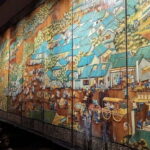
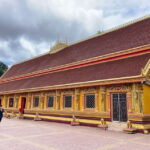
This tour starts in the oldest temple that survived the Siamese war in 1828, Wat Sisaket. The main draw is the cloister, which houses more than 8,000 Buddha images. Even if you’re not a hardcore temple person, that number changes the experience. You stop thinking of it as a sight and start thinking of it as a whole atmosphere.
Inside the cloister, the guide’s commentary matters. The tour description notes the presence of the Emerald Buddha among the statuary at Wat Sisaket. Whether or not you know that detail ahead of time, you’ll leave with a stronger sense of how Vientiane’s religious life kept going through damage and rebuilding.
Practical expectation: you’re likely to spend about an hour here. That’s a good amount of time. Long enough to look, take photos if you want, and absorb the scale, but not so long that it turns into a stamina contest.
Heat reality check: one of the most honest bits of feedback tied to this tour is that it can be hot, and there may be stairs involved. If you know you get cranky in the heat, plan to slow down. Don’t try to “win” the sightseeing pace. Let the guide set the rhythm.
You can also read our reviews of more city tours in Vientiane
Pha That Luang: the national symbol that still points to a relic
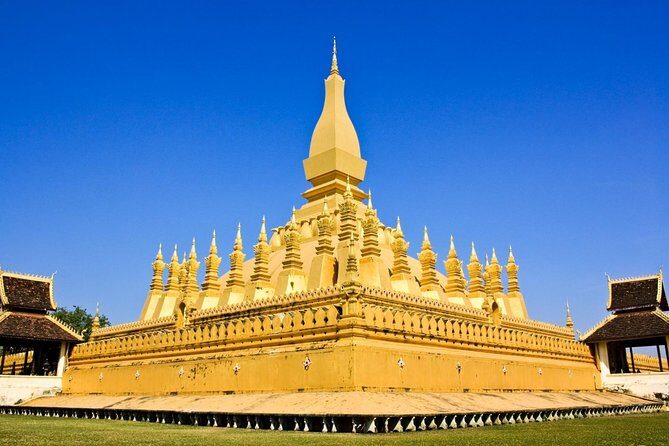
After Wat Sisaket, you head to Great Sacred Stupa (Pha That Luang), the single most important monument in Laos. The tour frames it as a national symbol, and once you’re standing in front of it, you’ll understand why. This isn’t just a pretty stupa on a city itinerary.
Here’s the key story you’ll hear: Pha That Luang was built to cover an earlier, smaller stupa that was believed to contain a piece of Buddha’s breastbone, sometimes described as a chest-bone relic. That relic idea is the difference between seeing a landmark and understanding what people believe it protects.
You’ll also get more than a quick photo stop. The itinerary calls for around two hours at Pha That Luang. That’s valuable because the stupa is the kind of monument where the meaning comes through in layers. Take your time with the guide’s explanations and you’ll likely notice how the relic legend shapes the way the site feels.
From a traveler value standpoint, this is one of the stops where paying for a guided day tour makes sense. You could technically visit on your own, but having the “why” attached to the “what” makes it feel like more than a checklist.
Patuxai and the human cost behind the arch
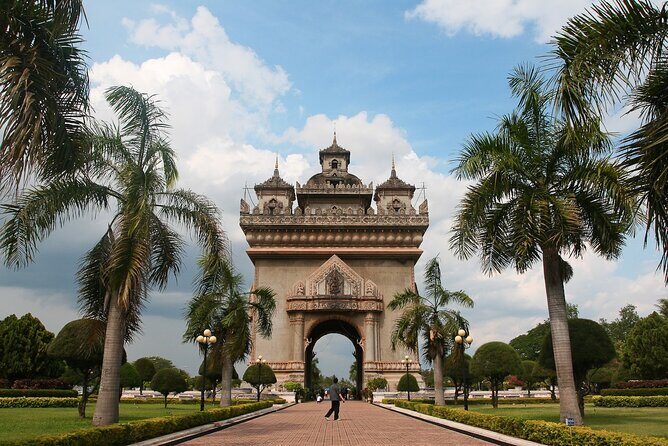
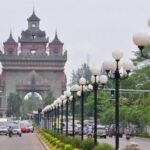
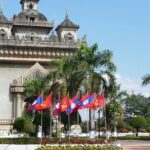
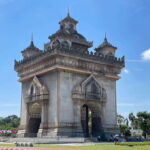
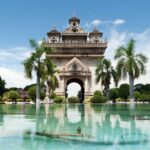
Next comes Patuxai, Vientiane’s triumphal arch. The guide’s story usually shifts the mood here. Instead of treating Patuxai like a decorative city landmark, the tour explains it as a memorial: it commemorates those who died during World War II and in the battle for independence from France.
There’s something practical and useful about this kind of context. When you know the purpose of a monument, it changes how you read the shape and the details. You stop looking for a view and start looking for meaning.
The itinerary allotment lists this as about three hours, which is longer than some other monument stops. That extra time can matter if you want room for walking, photos, and questions. If you prefer a tight pace, you might feel that’s a lot. Still, for most people, Patuxai is worth spending time on because it functions like a city symbol, not just a roadside stop.
Carol Cassidy Lao Textiles: a break from temples with real craft know-how
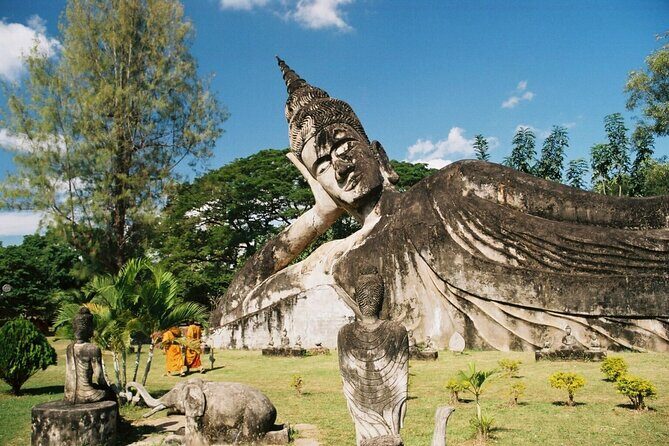
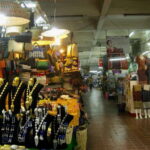
Lunch and a textile stop keep the day from becoming wall-to-wall religion and stone. After Patuxai, you’ll eat at a local restaurant, and then you’ll visit Carol Cassidy Lao Textiles.
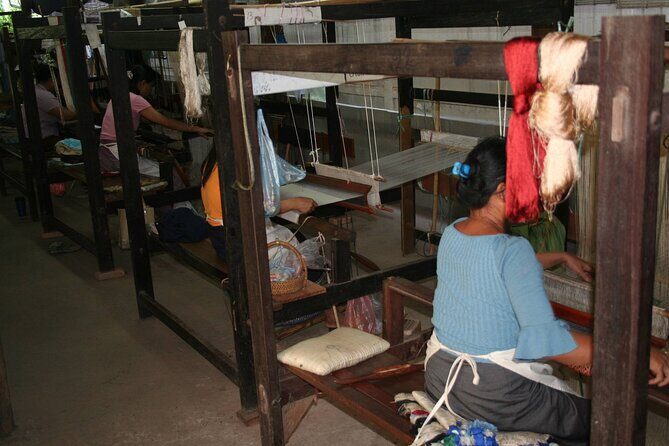
This part is one of the best ways to feel Laos in a different lane. The tour description highlights weaving and the process of making natural dyes. That matters because it moves you from “look at products” to “understand how materials become fabric.”
What I like about this stop is that it’s more practical than it sounds. Even if you don’t buy anything, seeing natural-dye process explanations gives you better context for Laos handicrafts. And because it’s a break from constant outdoor monument time, it can feel like a reset.
You may also find this a more comfortable pace than a temple with stairs and open sun. Even so, it’s still a daytime outing, so keep your energy for the next stop at Buddha Park.
Lunch included: good to have, but not always a deal-breaker
Lunch is included on this tour at a local restaurant. The important word here is included. For a full-day schedule with multiple monuments, it’s a real time-saver and it reduces the “where do we eat now” stress.
That said, lunch is also where value can feel personal. One piece of feedback described lunch as not matching the overall price, even though it was included. That tells you what to expect if you’re coming in hoping for a standout meal: you’re likely getting a solid local lunch, not fine dining.
Also note what’s not included: drinks are not included. Water is provided on the tour, but you’ll want to plan for any extra beverages yourself.
My practical advice: treat lunch as fuel. If you’re hungry after the stupa and arch, it will hit the spot. If you’re a foodie and want a memorable sit-down meal, you might want to save your “big meal” budget for another night in town.
A few more Vientiane tours and experiences worth a look
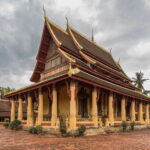
Buddha Park on the Mekong: strange, spiritual, and worth the walk
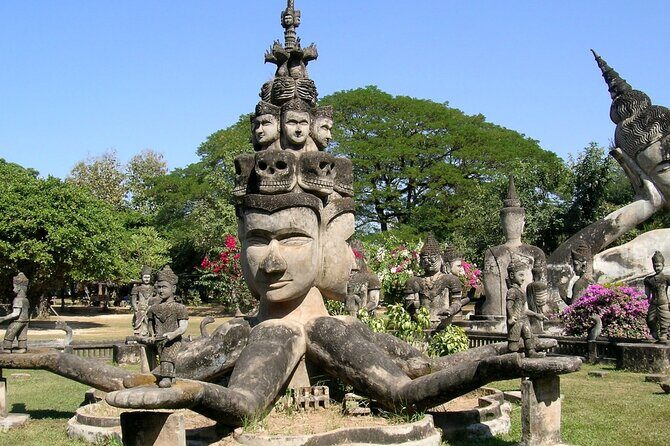
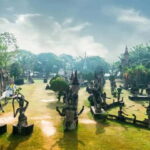
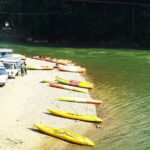
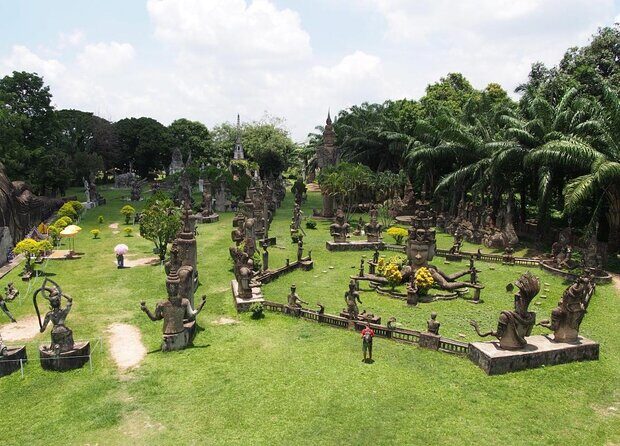
Buddha Park is where the tour turns fun. It’s a sculpture park on the banks of the Mekong River, packed with statues that draw from both Hindu and Buddhist traditions. The tour description specifically calls out a range of styles and notes the park’s modern-style shapes.
This is the kind of stop that works even if you’ve gotten temple-ed out. The reason is simple: the statues are the entertainment. They’re different from the more solemn temple spaces earlier in the day, and the mixing of styles gives you lots to look at.
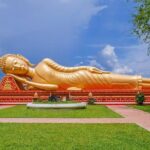
One standout detail is the largest Reclining Buddha in Laos. If you like seeing extremes of scale, this is the moment your guide’s pointing and your own wandering will sync up. Two hours is the allocated time here, which feels about right. Long enough to explore slowly and still make it back for the end of the tour without rushing.
And yes, the weather may still be a factor. Buddha Park is outdoors. If it’s a hot day when you go, take shade breaks and keep your pace steady. One of the most helpful bits of feedback about this tour was basically that the guide did the best possible job when it was hot. That’s your hint: the tour can’t control the sun, but a good guide can help you manage it.
Price and value for a $130 private day in Vientiane
The price listed is $130 per person for an approximately 8-hour full-day tour, with hotel pickup and drop-off, an English-speaking guide, lunch, water, and admission tickets at the stops.
As a value question, this is both reasonable and sometimes annoying. It’s reasonable because you’re paying for a guided day that includes multiple major monuments that are hard to string together efficiently by yourself. In a city like Vientiane, pickup and transport can be a big part of what you’re buying.
But it can also feel expensive if you judge value by the size of each stop or the perceived “quality” of lunch. One critique tied to this tour said it felt like poor value for the price when compared with other similar tours in the region, and it focused on the lunch element. That doesn’t automatically mean lunch is bad. It means you should calibrate your expectations: the day is for monuments and context, not for a gourmet lunch.
If you’re the type who wants everything managed for you, including admissions and transport, this tour can feel like a win. If you’re price-sensitive and want maximum “wow per dollar,” you may feel the pressure.
Either way, because it’s private, you also get something less measurable: fewer crowds in your immediate experience and the ability to ask questions at your pace.
Guides, language, and how to get the most out of the day
This tour is described as having an English-speaking guide, and the quality of that guidance can change how you feel about the day.
From the feedback you might expect a mixed range. Some guides are praised as friendly, attentive, and full of knowledge, with specific names showing up like Khong and Mr. Algo g. That kind of guide energy tends to make the monuments feel personal instead of generic.
There’s also a caution that comes from a less glowing note: the English can be only adequate at times, and you may have to nudge for more information. That’s not a deal-breaker, but it’s a real tip. If you want depth, ask questions early. Ask why certain relic stories matter. Ask what locals care about at each site. The more you engage, the more you’ll likely get.
Who this tour fits best
This day tour is a good match if you want an organized overview of Vientiane’s big names without dealing with logistics. It’s also a smart choice if you’d like a cultural mix: temples and monuments, plus a practical craft stop at Carol Cassidy Lao Textiles, plus a more whimsical finale at Buddha Park.
You might also like it if you prefer private pacing. The tour is listed as private, meaning it’s just your group. That matters if you’re traveling as a couple or small group and want to take photos, ask questions, and move at a comfortable speed.
It’s less ideal if:
- you hate heat and stairs
- you’re expecting a standout gourmet lunch
- you want total flexibility to wander off-script for long stretches
Should you book this Vientiane day tour?
Book it if you want a guided day that covers the essentials: Wat Sisaket, Pha That Luang, Patuxai, Buddha Park, plus a stop for textiles and natural dyes. The combination of major monuments and craft context is a strong way to understand Vientiane in one go.
Consider passing or modifying your plan if price feels tight and you mainly want the most unforgettable visuals per dollar. The tour price is not a bargain, and lunch might not be the highlight you hoped for.
My final take: for many visitors, this tour is a solid way to spend an 8-hour day in Vientiane without guessing your way between sites. If you come in ready for a hot outdoor day and you engage with the guide for context, you’ll likely feel like your time was used well.
FAQ
What’s the duration and start time?
The tour starts at 8:30 am and runs for about 8 hours.
Is hotel pickup and drop-off included?
Yes. Hotel pickup and drop-off are included.
What’s included in the price?
The tour includes an English-speaking guide, hotel pickup and drop-off, lunch, drinking water, and admission tickets at the listed stops.
Are drinks with lunch included?
No. Drinks are not included.
Is this tour private?
Yes. It’s listed as private, meaning only your group participates.
Can I get a full refund if I cancel?
Yes. You can cancel up to 24 hours in advance for a full refund.