REVIEW · LUANG PRABANG
Prabang Plates Food Tour with 15+ Tastings
Book on Viator →Operated by A Chef's Tour · Bookable on Viator
Morning food in Luang Prabang is pure magic. If you like eating like a local, this Prabang Plates tour is built around 15+ tastings in just a few hours, moving through the old city where cooks keep the day’s rhythm going from first light. I especially like that the pace is driven by real vendors and real stories, not a conveyor-belt list of tourist stops.
Two more things I really like: you get guided access to morning culture, including the monk alms-giving atmosphere, and you travel with a max 8 person group so you can actually ask questions and talk food. The main drawback is that it’s not set up for vegetarian diets, and it’s also not suitable for severe allergies or celiac/halal needs due to possible trace cross-contact.
In This Review
- Key highlights you’ll feel right away
- Luang Prabang’s breakfast is a whole separate food world
- Price and what $45 really buys you
- Meeting point: Pasaniyom Traditional Café and a start that makes sense
- The moveable feast plan: 9–10 stops, 3–4 hours, and smart pacing
- Stop 1 energy: old-city eating that feels like real life
- Stop 2 morning markets: monk alms-giving and the smell of breakfast
- Stop 3 brick-oven baking: wood-fired bread you can’t fake
- Tuk-tuk transport in the second half: less fatigue, better tasting
- What you’ll actually taste: the flavor map
- Group size, guide style, and why it feels personal
- Dietary limits and who this tour fits best
- Practical tips so you enjoy every stop
- Where you end up: Tour ends near the night market area
- Should you book Prabang Plates?
- FAQ
- What time does the Prabang Plates tour start?
- How long is the tour?
- What’s included in the price?
- Where do I meet, and where does it end?
- Is the tour suitable for vegetarians?
- Are there any allergy or dietary restrictions?
- How many people are in each group?
Key highlights you’ll feel right away
- 15+ tastings instead of a few token bites, with a moveable feast across 9–10 stops
- Small group (max 8 guests) with professional Laos food guides, so the tour doesn’t feel like a lecture
- Morning markets + monk alms-giving vibe, giving you the why behind the flavors
- Brick-oven bread stop with wood-fired baking, the kind of detail you won’t find on your own
- Tuk-tuk transport for the second half, keeping the walking comfortable
Luang Prabang’s breakfast is a whole separate food world
Luang Prabang doesn’t just do food. It does morning. The flavors hit before the heat and crowds fully arrive, and that timing matters. You’ll taste things that are more about daily rhythm than restaurant menus.
This tour leans into the city’s breakfast scene with smoky grills, bubbling pots, and that steady flow of people buying, cooking, and eating as they go. The goal is simple: skip the scripted traps and focus on what locals actually eat. You’re not hunting for recipes; you’re sampling the plates and learning the logic behind them.
It also helps that you’re traveling with guides who know what to look for and who to ask. Food here is often tied to small choices: a herb blend, a sour kick, a chili level, or a cooking method like charcoal grilling or brick-oven baking.
You can also read our reviews of more food & drink experiences in Luang Prabang

Price and what $45 really buys you
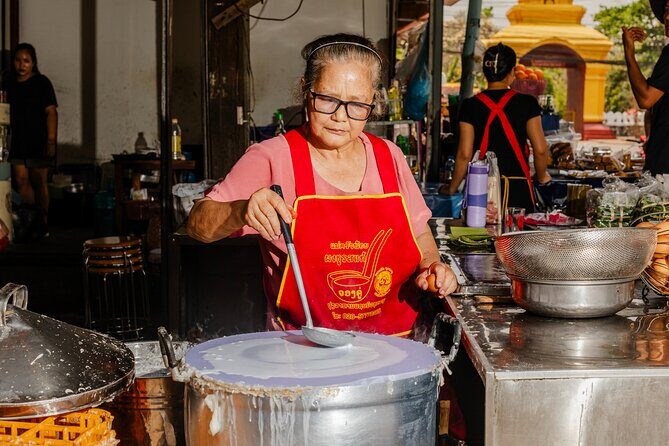
At $45 per person, the value comes from the sheer amount of food and the structure around it. You’re getting 15+ included tastings, plus bottled water and local drinks. That adds up fast when you consider how much you’d otherwise spend sampling street food one item at a time.
The other value piece is the group size. A max of 8 travelers means the tour team can slow down when you’re curious, not just move you along. And you still get coverage of multiple neighborhoods because the day uses 9–10 stops around the old city, with tuk-tuk transport for the second half.
What’s not included is alcohol, and pick-up/drop-off from your hotel. You’ll meet at a central spot and finish near the Tourist Information Center by the night market area, so the tour is easy to plug into your morning plan without complicated logistics.
Meeting point: Pasaniyom Traditional Café and a start that makes sense
You start at Pasaniyom Traditional Café (use the map pin area near V4RJ+5XC) in Luang Prabang at 8:30 am. That’s an ideal time for tasting because you catch vendors as they’re setting up and customers who know what they want.
Bring this mindset with you: arrive hungry, but also ready for variety. The tour is designed so your meal happens in pieces across markets, grills, and small local joints. If you’re the type who likes to eat slowly and ask questions, you’ll enjoy the way the guides pace each stop.
The tour uses a mobile ticket, so make sure your phone is charged. And because mornings can turn damp or show quick rain bursts, it’s smart to pack rain gear if the sky looks moody.
The moveable feast plan: 9–10 stops, 3–4 hours, and smart pacing
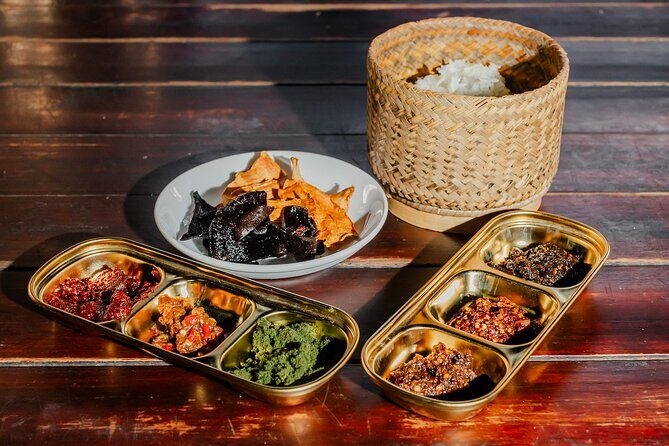
You’re out for about 3 to 4 hours, and it doesn’t try to cram everything into one long, exhausting walk. The structure is a “feast with breaks” style: you walk through clusters where tasting is easy, then switch modes later with tuk-tuk for the second half.
That matters because food tours fail in one of two ways: either you get moved too fast to enjoy, or you get stuck walking when it’s hot or wet. Here, the tuk-tuk keeps you fresh enough to keep tasting. You’ll feel it in your feet, and you’ll taste better because you’re not rushing.
Also, max group size matters. With no more than 8 guests, your guide can explain what each plate is and what to watch for—like how herbs are used, or what gives a sauce its edge.
Stop 1 energy: old-city eating that feels like real life
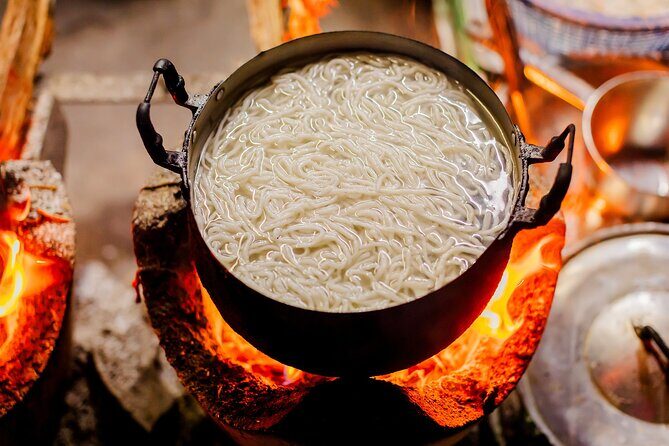
The first part is all about getting your bearings fast with the kind of food you’d otherwise miss. You’ll be sampling across the old city area, guided by the team of Laos food guides who focus on day-to-day choices.
Expect a mix of warm, street-corner style plates and grilled or cooked items that pair well with small bites. The tastings are designed so you can compare flavors as you go, like smoky notes from charcoal-style grilling versus the tang and heat from herb-and-chili sauces.
One of the clever parts of this segment is that it gets you into the temperature of Luang Prabang food early. Once you understand the early morning flavors—smoke, sour, herb, chili—you’ll make sense of the bigger market dishes that come next.
A few more Luang Prabang tours and experiences worth a look
Stop 2 morning markets: monk alms-giving and the smell of breakfast
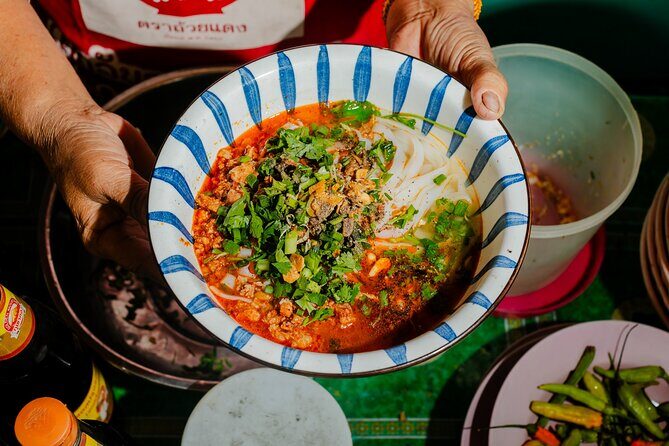
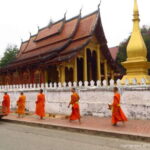
This is the part that turns the tour from “food samples” into a morning story. You’ll experience the atmosphere after monk alms-giving, when mornings in Luang Prabang start to feel like a shared habit.
Then the market scene takes over: early risers, steam rising from pots, and that layered smell of grilled meats, herbs, and fresh ingredients. You’re not just tasting food; you’re tasting the coordination behind it. Many dishes only make sense when you see how they’re prepared and why they’re served early.
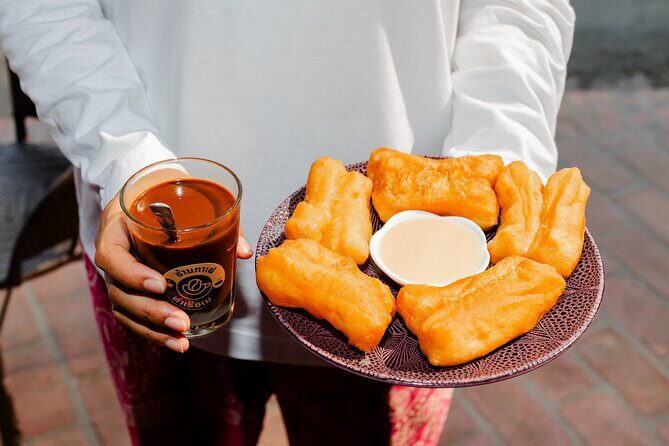
This segment is where you’ll likely notice the tour’s focus on variety—things like smoky noodles, herby soups, spicy salads, and fried treats. Even if you don’t recognize every dish name, you’ll understand the flavor roles: what’s crunchy, what’s sour, what’s soothing, what’s hot.
Drawback to plan for: this is still a morning in a working city. If you’re easily overwhelmed by sights and smells, take it slow at each stall. You can’t speed-read your way through food here. Pause, eat, then ask.
Stop 3 brick-oven baking: wood-fired bread you can’t fake
The later part includes an exclusive invite to one of the last remaining brick-oven bakers, served from a traditional setup with wood-fired stoves. This is the kind of stop that makes food tours worth it, because it’s not just another snack shop. It’s a craft story.
What you’re looking for here is the contrast between street-cooked flavors and bread baked on fire. Bread changes everything—texture, aroma, and the way you judge sauces and spreads. If you enjoy noticing small differences, this is where you’ll appreciate the method.
The tour describes fresh bread from the oven—specifically baguette style—and that’s a clue to how the stop is meant to work. You get a warm, freshly made anchor for the rest of your tastings, like adding the base note to a song.
Practical note: bread tastings are easy to love, but they can also fill you up faster than you expect. If you want to keep your palate clear for the rest of the tour, don’t take your time too long with the first bite. Enjoy it, then move on.
Tuk-tuk transport in the second half: less fatigue, better tasting
Around the second half, you’ll use tuk-tuk transport. That’s more than convenience—it’s part of the tour’s design to keep you in a good tasting mood. Walking a food route for several hours is one thing; walking under shifting conditions is another.
The tuk-tuk also helps connect the tour stops around the old city without you losing the flow. The end result is you get coverage of more eating spots without the same level of leg burn.
If you’re traveling with balance issues or you just hate long hot walks, this is a strong plus. Just remember you’ll still do plenty of moving through market areas and small streets, so wear shoes that work on uneven ground.
What you’ll actually taste: the flavor map
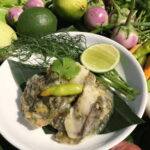
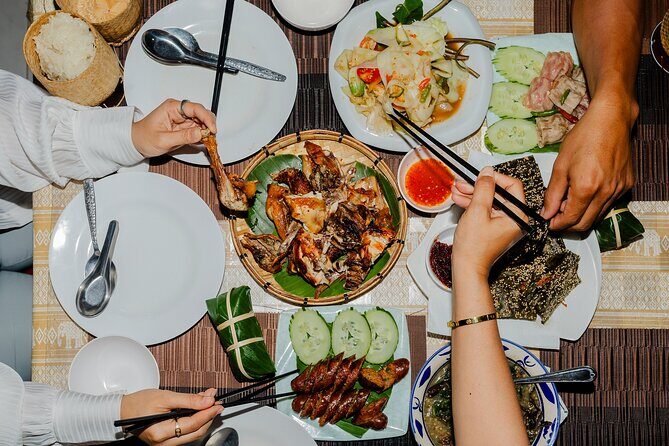
This tour’s tastings are designed around the kinds of dishes Luang Prabang is known for. From the tour description, you can expect a mix like:
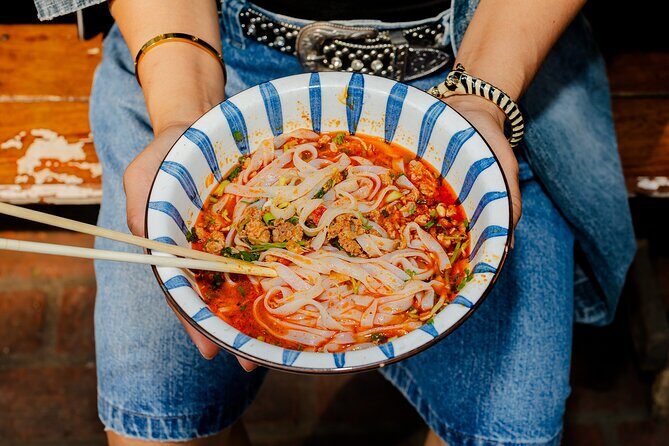
- Smoky khao soy noodles and other noodle-style dishes
- Fried mungbean cakes and other crispy bites
- Herby soups and hot comfort plates
- Spicy salads and chili-forward sides
- Charcoal grilled chicken style flavors
Even better, the tour doesn’t treat these as isolated items. You’ll eat in sequence, so you can notice how a sour-herb dish changes what you want next. You’ll also get bottled water and local drinks along the way, which helps you keep tasting without getting dehydrated.
One more value detail: it says there are more tastings than any other Luang Prabang food tour. You don’t need to compare, but the message is clear: this isn’t a light snack outing.
Group size, guide style, and why it feels personal
With max 8 travelers, the guide can adapt. You can ask what something is, how it’s made, or what a dish is usually eaten with. This matters because many street foods won’t come with a menu card that explains everything.
Also, the tour is led by professional Laos food guides. That usually means you’re not just hearing facts; you’re getting a better sense of why these dishes are popular at this time of day.
One thing I appreciate about small tours: you’re less likely to feel like you’re being herded. You’ll still follow the schedule, but there’s breathing room built into it.
Dietary limits and who this tour fits best
This part is important. The tour is not suitable for vegetarian diets, and it notes fewer alternatives with 3–4 less tastings for vegetarian needs. If you’re vegetarian, you may end up with a less satisfying version of the tour.
It’s also not suitable for severe allergies, and it specifically calls out concerns for halal and celiac. That’s because there’s a risk of trace cross-contamination. If you have serious dietary restrictions, don’t treat this as a “maybe we can handle it” situation. The tour is designed around street-food reality, and that reality can’t guarantee strict separation.
What about most other people? The tour says most travelers can participate. So if you have no major restrictions and you’re comfortable eating street-style foods, you’re a good match.
Practical tips so you enjoy every stop
Here’s how to set yourself up for a smooth morning:
Wear comfortable shoes. You’ll be moving through multiple stops in and around the old city.
Come hungry. This is built on 15+ tastings, and you’ll likely leave feeling properly fed.
Bring rain gear if rain is possible. It’s a morning market style day, so weather can change quickly.
Bring a phone battery. You’ll use a mobile ticket.
If you like taking photos, do it between tastings, not while you’re mid-bite. You’ll taste more and drop less food.
Where you end up: Tour ends near the night market area
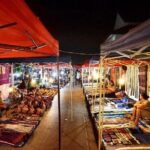
You finish not far from where you started, outside the Tourist Information Center (Machi-Zukuri Community) area on the corner of Kitsalat Road and Sisavangvong Road. It’s centrally located by the night market, and it’s walkable back to many hotels.
This makes it easy to continue your day. You’re not stranded on the edge of town after an energetic morning meal.
Should you book Prabang Plates?
Book it if you want a Luang Prabang breakfast experience that’s measured in plates, not promises. The combination of 15+ tastings, a max 8 group, and real morning market access is hard to replicate on your own. I also think it’s a great choice if you like learning through food—smells, cooking methods, and the small decisions that shape flavor.
Skip it if vegetarian options matter a lot for you, or if you have severe allergies or need strict halal/celiac-safe handling. In those cases, the tour’s street-food format can create problems.
If your priority is eating as locals do—early, varied, and guide-led—this tour is one of the most efficient ways to do it in 3 to 4 hours without turning your morning into a scavenger hunt.
FAQ
What time does the Prabang Plates tour start?
It starts at 8:30 am.
How long is the tour?
Plan on about 3 to 4 hours.
What’s included in the price?
The price includes 15+ food tastings, bottled water and local drinks, and tuk-tuk transport for the second half. The tour also uses a mobile ticket.
Where do I meet, and where does it end?
You meet at Pasaniyom Traditional Café and end near the Tourist Information Center (Machi-Zukuri Community) on the corner of Kitsalat Road and Sisavangvong Road.
Is the tour suitable for vegetarians?
It’s not suitable for vegetarian diets. The info notes fewer alternatives, with 3–4 less tastings for vegetarian needs.
Are there any allergy or dietary restrictions?
It’s not suitable for severe allergies, and it’s also noted as unsuitable for halal & celiac disease due to possible trace and cross-contamination.
How many people are in each group?
The maximum group size is 8 travelers.