REVIEW · LUANG PRABANG
Luang Prabang Plates Food Tour with 15+ Tastings
Book on GetYourGuide →Operated by A Chef's Tour · Bookable on GetYourGuide
Food is the city’s best language here. This Luang Prabang Plates Food Tour turns a normal morning into a focused crawl of Laotian flavors, with 15+ tastings and a guide who keeps you moving between real local stops. I like that it’s built for the early-day street scene, not a staged meal, and I like that the pacing includes a tuk-tuk for comfort. One consideration: it’s not a good fit if you need vegetarian, vegan, celiac-safe, halal, or severe-allergy options.
You’ll start by the Mekong at Pasaniyom Traditional Café, then work your way through markets and street stalls while local cooking does its daily work. The food is the point, but you also get context for what you’re tasting and why it shows up again and again on plates around town. Expect 4 hours with multiple tasting stops, water included, and plenty to eat.
This is the kind of tour that works best when you truly want breakfast as an experience, not just fuel. If you’re planning to be out late or you hate walking, plan your day around this morning. And if rain shows up, the tour runs anyway, so pack for weather.
In This Review
- Key things you’ll notice on this tour
- Why Luang Prabang breakfast tastes like the city’s real pulse
- Your 4-hour route: Pasaniyom by the Mekong to Machi-Zukuri
- The 15+ tastings you should expect (and what to watch for)
- The bakery stop: why brick-oven bread is part of the flavor story
- Markets, street stalls, and why the tuk-tuk half makes sense
- Price and value: what $45 buys you in real food time
- The guides: small group energy, clear English, and food stories
- Who should book this tour, and who should skip it
- Tips to get the most from your morning feast
- Should you book this Luang Prabang plates tour?
- FAQ
- How many food tastings are included?
- How long is the tour?
- Where do I meet the group?
- Is hotel pickup included?
- Does the price include bottled water?
- Is the tour suitable for vegetarians or vegans?
- Can I join if I have severe allergies, celiac disease, or a halal diet?
- Does the tour include alcohol?
Key things you’ll notice on this tour
- 15+ tastings spread across 9–10 stops, so you can sample more than one full meal
- Small group size (max 8), which makes it easier to ask questions and keep the pace comfortable
- Tuk-tuk for the second half, so you get local streets without the full marathon
- Brick-oven bakery invitation, a special stop that teaches you how bread culture fits in
- Morning market time, when buying and selling is at its most lively and practical
Why Luang Prabang breakfast tastes like the city’s real pulse
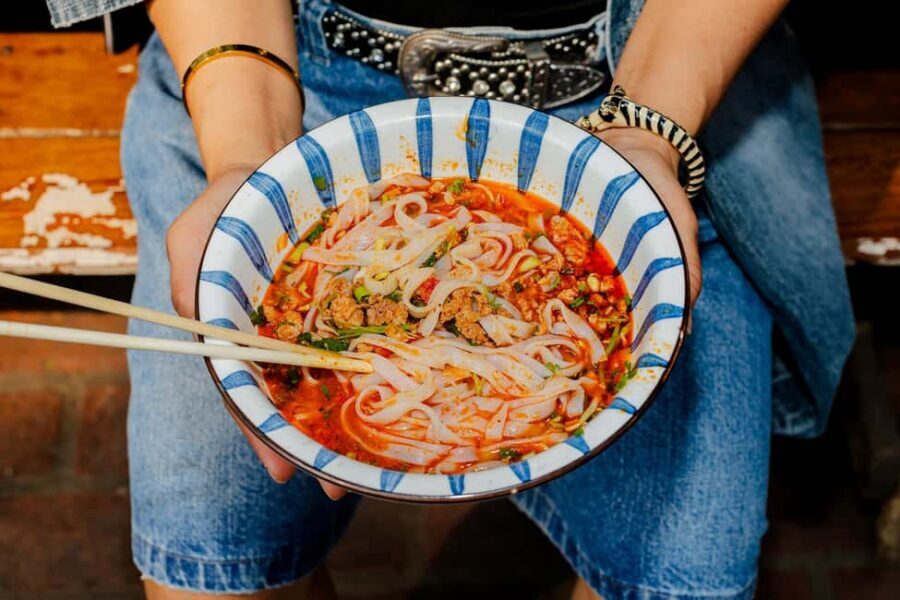
Luang Prabang has a breakfast rhythm that feels different from most places in Southeast Asia. Mornings are when the food scene is at its most local: grills sizzle, pots bubble, and people eat what they actually eat day to day. That’s the whole idea here. You skip the slow start and go straight to the places where the morning work is still underway.
I especially like that the tour is designed around the logic of local food. You don’t just get a list of dishes; you see how they’re made available, served, and eaten. And because the tastings come in waves, you get to notice patterns, like how sour, herbal, and spicy elements often show up together across different dishes.
One thing to keep in mind: street food means a tradeoff. The tour uses local vendors and shared kitchen realities, so the menu can’t be tuned for every dietary need. If your restrictions are strict, you’ll need to sit this one out or plan a different kind of food day.
You can also read our reviews of more food & drink experiences in Luang Prabang

Your 4-hour route: Pasaniyom by the Mekong to Machi-Zukuri
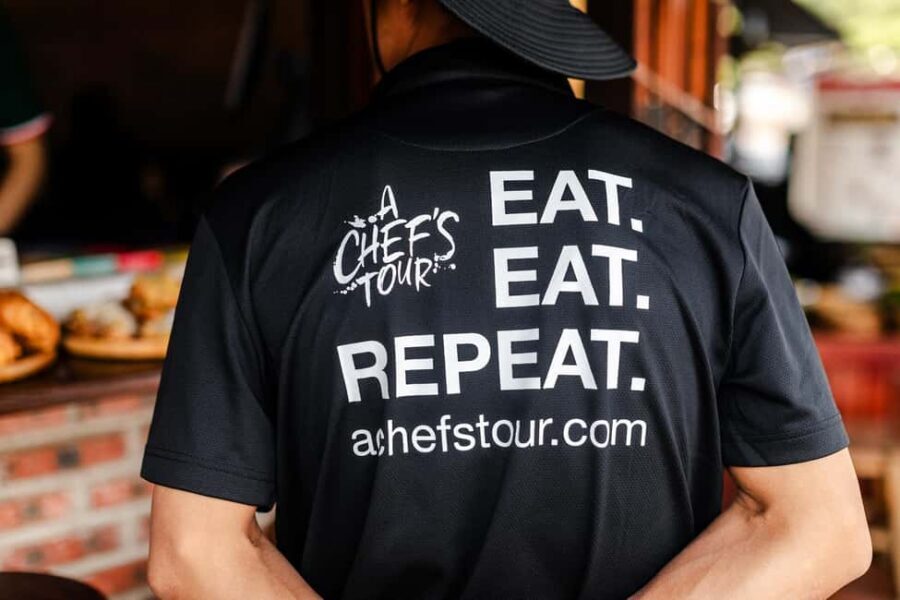
You’ll meet at Pasaniyom Traditional Café, opposite the café on the riverside sidewalk by the Mekong. The tour host (often in a black polo shirt) meets you there so you can start as a group without hunting around old town streets. This is also helpful if you’re staying somewhere central, since the meeting point is designed to be easy to reach on your own.
From there, the tour runs as a moving “food hop” through the old city area. You’ll do a mix of walking and stops with plenty of tastings—around 9–10 stops is typical—plus a food market visit. You’ll also end at the Tourist Information Center (Machi-Zukuri Community), which is a practical finish point for reconnecting with the rest of your day.
The pacing matters. The first part is on foot so you can feel the market energy and street flow. In the second half, you’ll switch to a tuk-tuk, which keeps the tour from turning into a grueling morning grind. One smart detail: water is included, so you can focus on eating and not tracking down drinks between stops.
The 15+ tastings you should expect (and what to watch for)
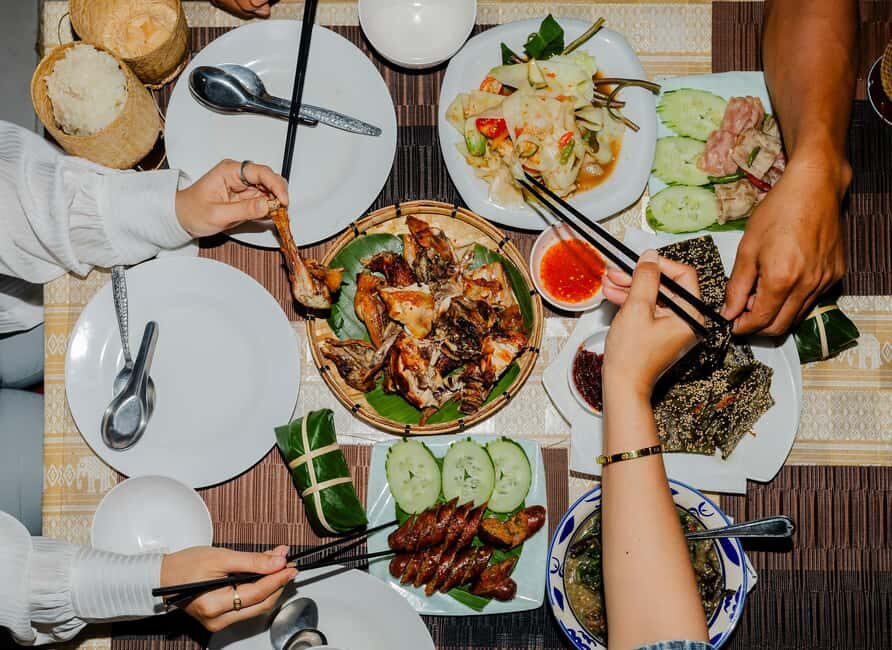
This tour is built around the promise of 15+ food tastings, which is a real advantage if you want variety fast. A lot of food tours give you a few items and call it a day; here, you’ll likely get enough bites to feel like you had a full breakfast plus snacks. The food is also described in practical terms, so you can anticipate the kinds of flavors you’ll run into.
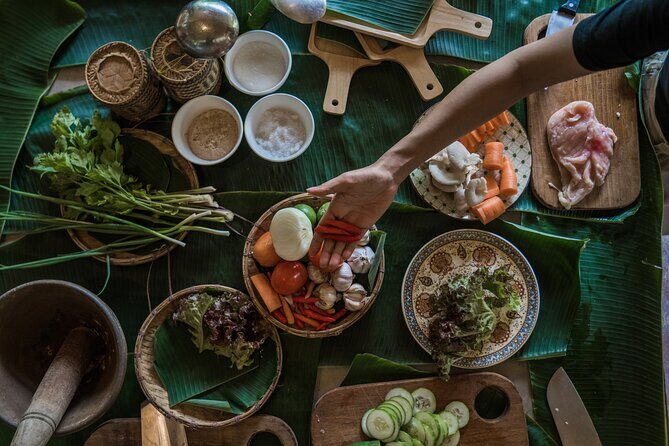
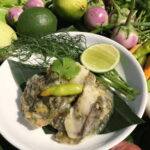
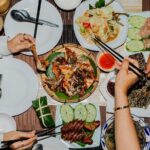
You should expect a lineup that may include examples such as smoky khao soy noodles, fried mungbean cakes, herby soups, spicy salads, and charcoal grilled chicken. The exact sequence can vary, but the style is consistent: local staples, street-friendly portions, and flavors that Laos does well early in the day.
What’s valuable isn’t just the number of dishes. It’s the way tastings teach you how Lao food balances heat, herbs, and tang. When you try multiple things in a row, you’ll start noticing how sauces and seasonings echo across dishes, even when the foods look totally different. That’s how the tour turns “random bites” into something you actually remember.
A few comfort notes from prior experiences: you should plan for regular breaks, including bathroom stops. Some groups also reported an initial coffee or tea to get you started. Come hungry because the tour is designed to be a full morning feed, not a light snack crawl.
The bakery stop: why brick-oven bread is part of the flavor story
One of the standout features is an invitation to a local bakery, described as one of the last remaining brick-oven bakers. This is the kind of stop that gives you more than taste. Bread in a place like Luang Prabang isn’t just a side item; it’s part of daily routine and local culture.
In the bakery setting, you’re looking at wood-fired stoves and fresh baguettes, which is a useful contrast to the steam and sizzle of street cooking. It helps you understand how ingredients move from oven to street, and how different food traditions share the same morning window.
If you care about food craft, this is a good moment to slow down. You’ll have time to notice textures and smells that don’t show up in a quick bite at a restaurant. Even if you’re not a bread person, it’s a memorable cultural anchor within a tour that otherwise focuses on hot street dishes.
Markets, street stalls, and why the tuk-tuk half makes sense
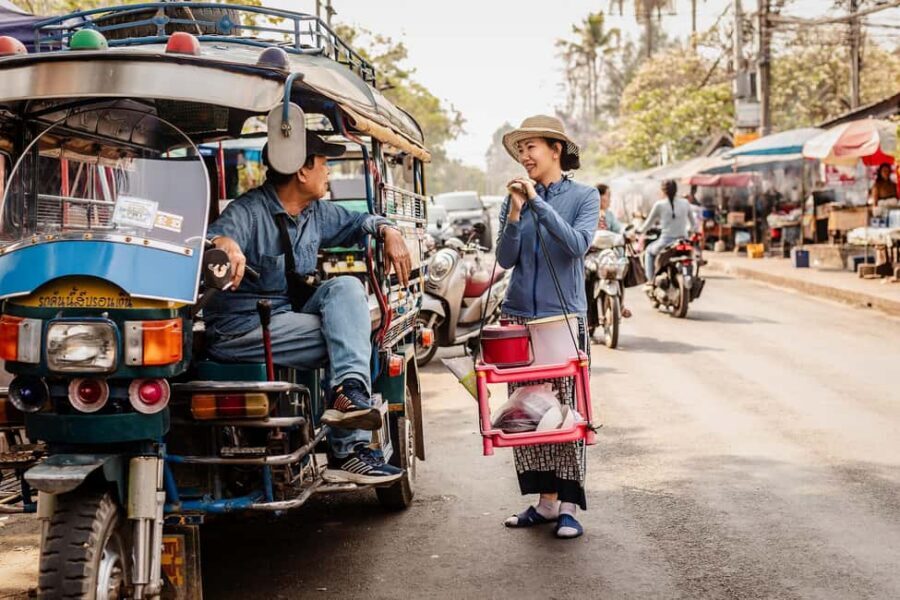
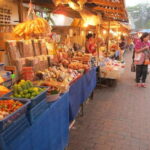
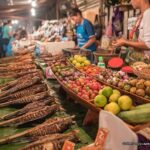
Walking is part of the experience, especially around the morning market. You’ll go through areas where vendors are actively buying and selling fruit, vegetables, herbs, and spices. That’s not just scenery. Seeing the market activity helps you connect what you taste back to what goes into local meals.
The tour also uses the tuk-tuk in the second half, and that’s a practical choice. Luang Prabang streets can be uneven, and humidity can make short walks feel longer than you expect. The tuk-tuk pacing keeps the tour enjoyable, so you can stay focused on food rather than logistics.
Here’s the best way to enjoy this section: slow your brain down during transit. Use that time to think about what you want to ask your guide—like which ingredients are driving a flavor or how one dish differs from another that looks similar. Guides on this tour have been praised for making the culture of food easy to understand and for being friendly about questions.
If you’re the type who likes buying a few ingredients to recreate things later, this is also when you’ll likely feel motivated. You’ll see what locals treat as normal morning supplies, not just tourist souvenirs.
A few more Luang Prabang tours and experiences worth a look
Price and value: what $45 buys you in real food time
At $45 per person for a 4-hour morning, this tour is priced like a value food experience, not a high-end tasting event. You’re getting multiple tastings—15+—plus bottled water and tuk-tuk transport during the second half. The small group size (max 8) also matters here because it keeps the tour from feeling like a factory line.
The math is simple: you’re not paying just for food. You’re paying for the guide time, the coordination across multiple stops, and the access to places you likely wouldn’t find on your own (especially the bakery invitation). If you tried to replicate this independently, you’d spend time guessing where to go and you’d still risk ending up at spots that are easy for tourists to reach.
Two practical cost notes. First, hotel pickup and drop-off aren’t included, so you’ll want to plan your arrival to the meeting point on your own. Second, alcohol is excluded, which is common for food tours but still worth noting if you were hoping for a pairing with drinks.
Overall, if your goal is a lot of variety in one focused morning, the price feels fair. If you already know exactly where you want to eat and you’re okay building the route yourself, you may be able to DIY some of it. But most people come to tours like this for the speed, variety, and cultural context.
The guides: small group energy, clear English, and food stories
This tour is led by professional foodie guides, and that part shows up in the experience. Multiple guide names appear in past bookings, including Toun, Latda, Mone, and Bounleua. Across those different guides, the consistent pattern is practical help: clear explanations, friendly interaction, and a good sense of pace.
I like when a food tour teaches you language for what you’re eating. You’re not just tasting; you’re learning what to pay attention to. That’s where guide storytelling becomes useful: you can go back later and recognize ingredients, spice profiles, and why one dish is served in the way it is.
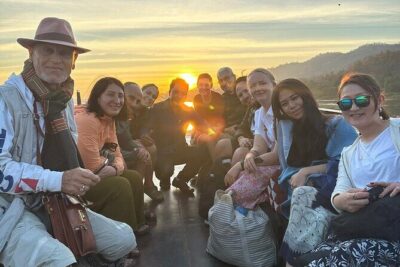
Since the group stays small, you can ask follow-up questions without feeling rushed. In some situations, the tour can also run with fewer people, which makes it feel closer to a private experience even though the cap remains at 8.
Who should book this tour, and who should skip it
This tour is a strong match if you:
- want street-style Lao breakfast with a set plan and multiple tastings
- enjoy walking but appreciate a tuk-tuk break
- like asking questions and learning how local food works
- prefer a small group atmosphere
It’s a poor match if you need:
- vegetarian or vegan options (the tour is noted as unsuitable, with fewer tastings available)
- severe allergy support (not suitable for severe allergies due to cross-contamination risk)
- halal or celiac-safe meals (soy sauce traces mean it’s not safe for celiac disease)
- pork-free eating with total certainty (pork appears in 2–3 tastings with limited alternatives)
- pregnancy accommodations (not suitable for pregnant women)
One more practical reality: the tour is described as operating in rain or shine. If you’re prone to getting uncomfortable in wet weather, bring the gear and plan for uncovered stretches during walking segments.
Tips to get the most from your morning feast
Come prepared so you enjoy the food instead of thinking about your feet or your jacket. Comfortable shoes matter because you’ll be moving between several stops. Bring an umbrella or rain gear since the tour runs in mixed weather and some stretches involve walking through streetside areas.
Also, eat lightly before you go. The tour is designed to be filling, with so many tastings that you may realize you’re beyond full by the end. If you’re tempted to skip breakfast so you can taste everything, that’s the right mindset here.
Finally, take small pauses. With 15+ tastings, it’s easy to rush and forget what you tried. Use the transit moments and sheltered stops to slow down, sip water, and think about what you liked. If there’s a dish you really want to recreate later, you’ll remember it better when you focus on taste and texture in the moment.
Should you book this Luang Prabang plates tour?
If you want one morning that feels grounded in local routine, I think this tour is a smart buy. The 15+ tastings, small group size, and a bakery stop with brick-oven bread make it more than a simple snack crawl. You’ll leave with a clearer picture of Lao flavors and how they show up in everyday eating.
Book it if you’re flexible with pork, you don’t have severe allergies, and you’re comfortable with street food realities. Skip it if you’re vegetarian/vegan, need strict halal or celiac-safe meals, or you’re managing a severe allergy or pregnancy.
My final take: at $45, you’re paying for concentration—lots of food variety in a short time, guided by people who can explain what you’re eating while keeping the pace realistic.
FAQ
How many food tastings are included?
The tour includes 15+ food tastings during about 4 hours.
How long is the tour?
The duration is 4 hours.
Where do I meet the group?
You start opposite Pasaniyom Traditional Café, along the Mekong river. The host meets you on the riverside sidewalk.
Is hotel pickup included?
No. Pick up and drop off from hotels are not included, and the meeting point is designed to be easy to reach.
Does the price include bottled water?
Yes, bottled water is included.
Is the tour suitable for vegetarians or vegans?
No. It is not suitable for vegetarian or vegan diets, since alternatives would reduce the number of tastings.
Can I join if I have severe allergies, celiac disease, or a halal diet?
No for severe allergies, and it’s also not suitable for halal and celiac disease due to cross-contamination risk and trace gluten in multiple tastings.
Does the tour include alcohol?
Alcoholic drinks are excluded.