REVIEW · LUANG PRABANG
Luang Prabang: 3-Day Cultural Remote Trek With Homestay
Book on GetYourGuide →Operated by Tiger Trail Travel Laos · Bookable on GetYourGuide
Mountain trekking in Laos with real people. That’s the hook. This 3-day remote trek takes you off the main loop and onto jungle paths villagers actually use, ending in homestays in Hmong and Khmu mountain villages.
Two things I really like: the chance to eat with a local family (not just a tourist dinner), and the way your English guide helps you read daily life—schools, homes, rice work, and village routines—so the walk feels like understanding, not just scenery.
One consideration: this is basic and physical. There’s no electricity to charge batteries, and the hiking can feel tough in rainy-season mud or heat.
Key moments that make this tour worth your time
- Village-only trekking routes that cut through rice paddies and jungle, not wide tourist tracks
- Homestay dinners cooked with your guide and a Hmong family
- Village exploration time in an unusually large mixed Hmong–Khmu settlement, including schools
- Mountain peak hiking with panoramic views over remote valleys and farms
- Nam Xeuang River finish where you can cool off with a swim if conditions allow
In This Review
- Why This Trek Feels More Like Mountain Life Than a Walk
- Day 1: Boat Crossing, Jungle Trails, and a Hmong Homestay Dinner
- Day 2: Breakfast Routines, Valley Streams, and a Big Mixed Village
- Day 3: Mountain Tops for Panoramas, Nam Xeuang River Ending, Then Back to Luang Prabang
- Homestays and Meals: Basic Living, Real Warmth
- What the Hiking Really Feels Like (And How to Prepare)
- Price and Value: Why $360 Can Make Sense Here
- Who This Trek Suits Best (And Who Should Skip)
- Should You Book This 3-Day Luang Prabang Remote Trek?
- FAQ
- Where do I meet for the tour?
- What time is departure?
- How long is the trek each day?
- Is the tour running in rainy season?
- Will I have electricity to charge my camera batteries?
- What meals are included?
- What should I bring?
- Is this tour suitable for everyone?
- Is hotel pickup available?
Why This Trek Feels More Like Mountain Life Than a Walk
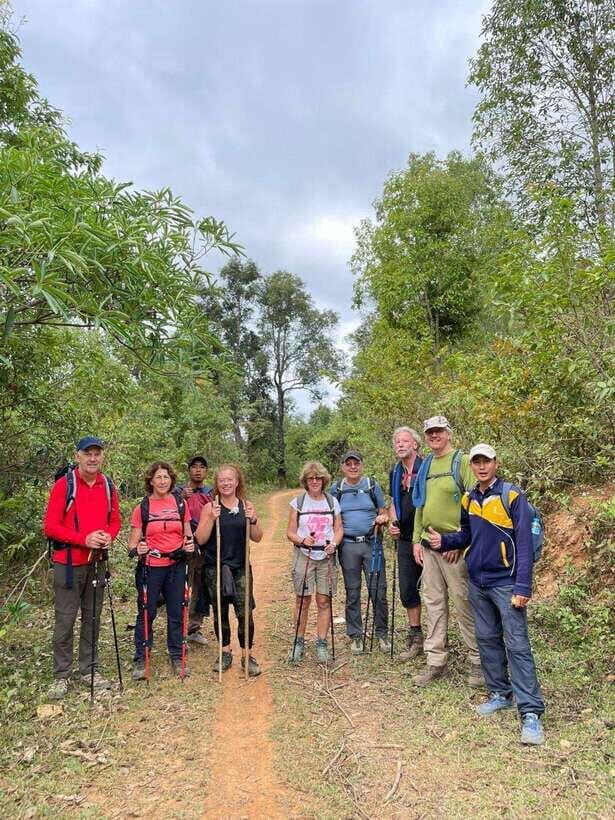
This tour works because it’s built around daily movement. You’re not just hiking to a viewpoint; you’re moving between places where people live and work. That changes how the whole trip feels.
You start north of Luang Prabang, traveling along the Mekong River and then the Nam Xeuang River before you switch from transport to footwork. From there, your route goes straight into the jungle on trails villagers use to connect remote settlements. Even if you’ve done treks before, this one feels more grounded because the pace is tied to village geography—valleys, streams, rice fields, and mountain tops.
I also appreciate the human side. The guides for this experience have real depth. One guide named Aroun is praised for explaining hill-tribe culture and the natural world around the trails. Another guide mentioned is Chan from Tiger Trail Travel Laos, with a gift for explaining rituals and plants and animals you might otherwise miss. That kind of context makes the walking time more satisfying.
The big trade-off is comfort. You’re signing up for remote villages, simple homestay conditions, and rain-or-shine trekking. It’s not rough in a scary way, but it is honest. Also, because there’s no electricity for charging camera batteries, you’ll have to plan for limited battery life.
Day 1: Boat Crossing, Jungle Trails, and a Hmong Homestay Dinner
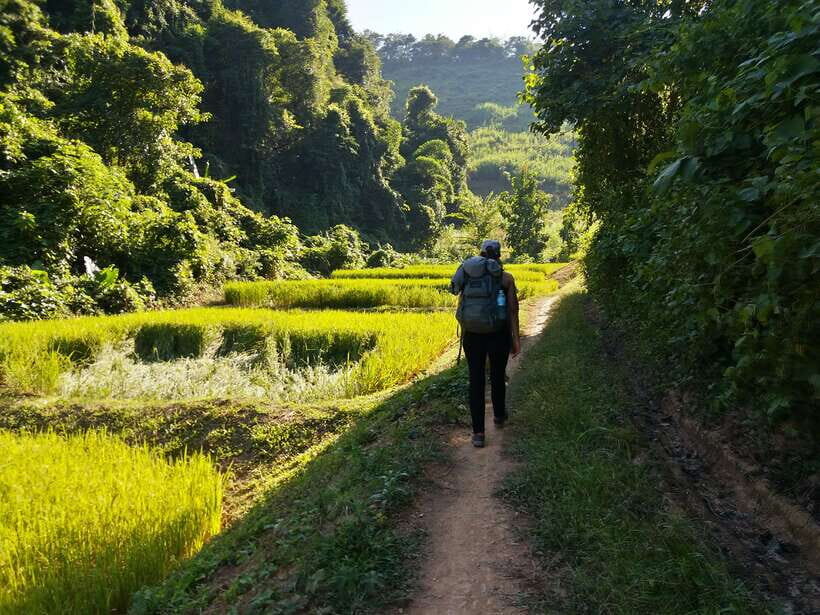
Day 1 starts early. You meet at the Tiger Trail Travel office on the same street as Villa Maly, with a departure at 8:45am after meeting at 8:20am. The day begins with prep time—storing luggage and traveling light helps you enjoy the trek instead of managing a heavy pack.
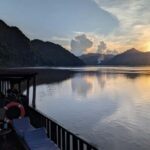
You then travel north along the Mekong for about 1.5 hours, continuing along the Nam Xeuang River. After that, you cross by local boat to reach the trailhead. That boat transfer matters because it sets the tone: you’re moving through the river geography that shapes the villages.
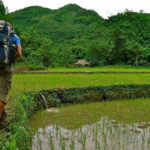
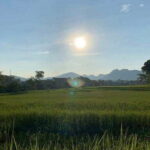
From the trailhead, the hiking is a 4–5 hour medium-grade route through rice paddies and jungle. This is not a quick stroll. Expect steady walking, uneven ground, and the kind of tropical heat that makes you feel every climb. If you’re going in rainy season, be ready for more challenging footing and longer trek time—this tour is run in rain or shine.
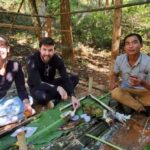
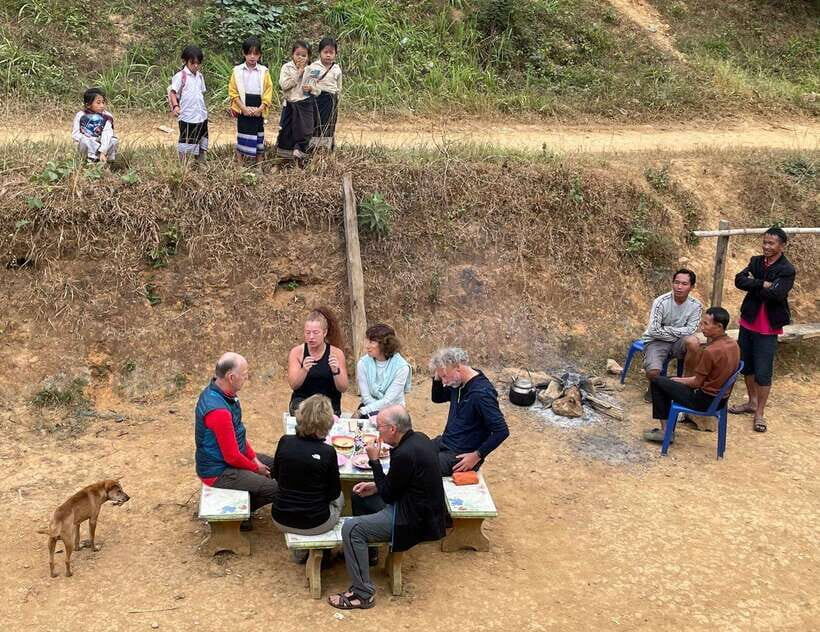
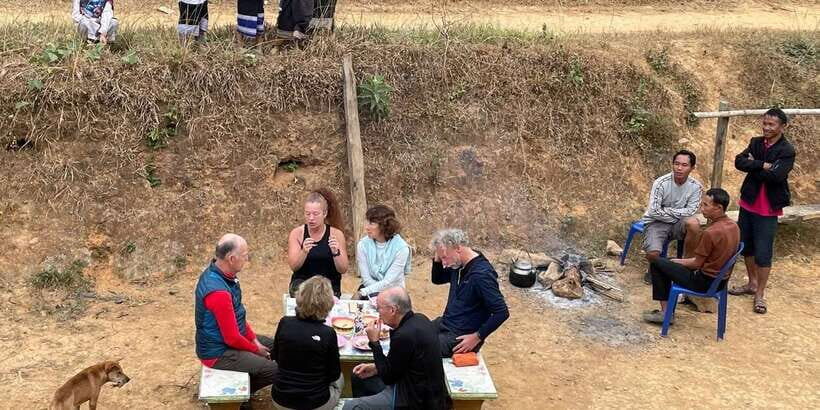
When you reach your first homestay village, you get the basic, comfortable setup you’d expect in a remote area. You’ll spend the night in a welcoming Hmong village, then end the day with a dinner prepared by your guide and a Hmong family. This is one of the highest-praise parts of the experience because it’s not staged. You’re eating the way people eat at home, guided by local hosts.
Tip for day 1: go lighter than you think you need. The “trek light” advice isn’t about elegance; it’s about saving your legs and shoulders for the next two days.
You can also read our reviews of more hiking tours in Luang Prabang
Day 2: Breakfast Routines, Valley Streams, and a Big Mixed Village
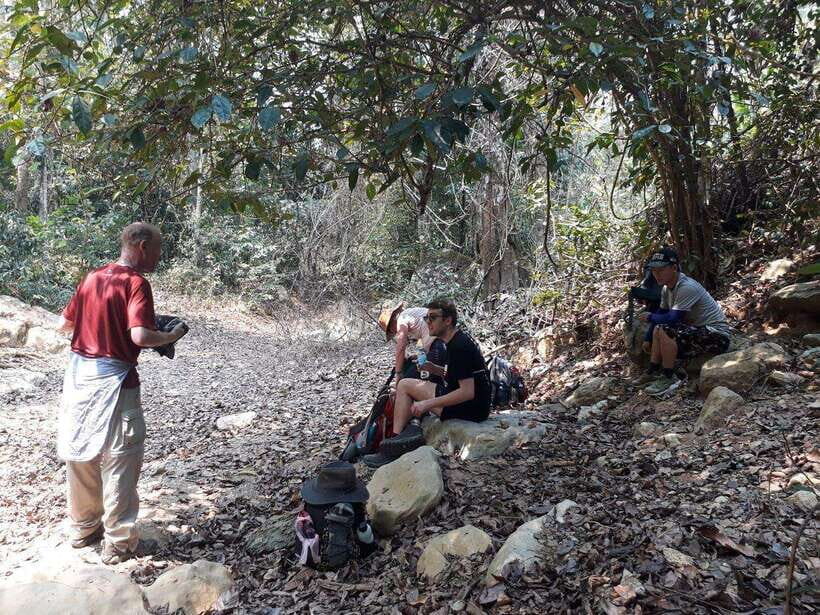
You start Day 2 with the sounds and routines of daily life. Breakfast is prepared by your guide, and it sets up the day’s main theme: more village time, less scrambling to get somewhere fast.
The hike is the “shortest” of the three days at about 4 hours, and it follows valley streams toward a very remote, large mixed Hmong and Khmu village in a mountain valley. You arrive mid-afternoon, which is a big deal. Lots of trekking tours race through villages. Here, you actually get time to look, ask, and wander at a human pace.
Your guide helps you explore the village—this is where you’ll see the school and get a closer look at everyday village life. In plain terms: you’re watching how communities organize their homes, daily work, and learning spaces. That’s exactly what makes this tour feel like a cultural experience instead of a photo stop.
In the evening, you relax and prepare for the mountain peak hike tomorrow. This “downshift” matters because Day 3 is the long one.
One more reality check that you’ll appreciate on Day 2: there’s no electricity for charging camera batteries throughout the trip. So if you’re used to constant charging and instant backup, plan around it. Turn off what you can. Use fewer bursts. Treat battery like your most limited resource.
Day 3: Mountain Tops for Panoramas, Nam Xeuang River Ending, Then Back to Luang Prabang
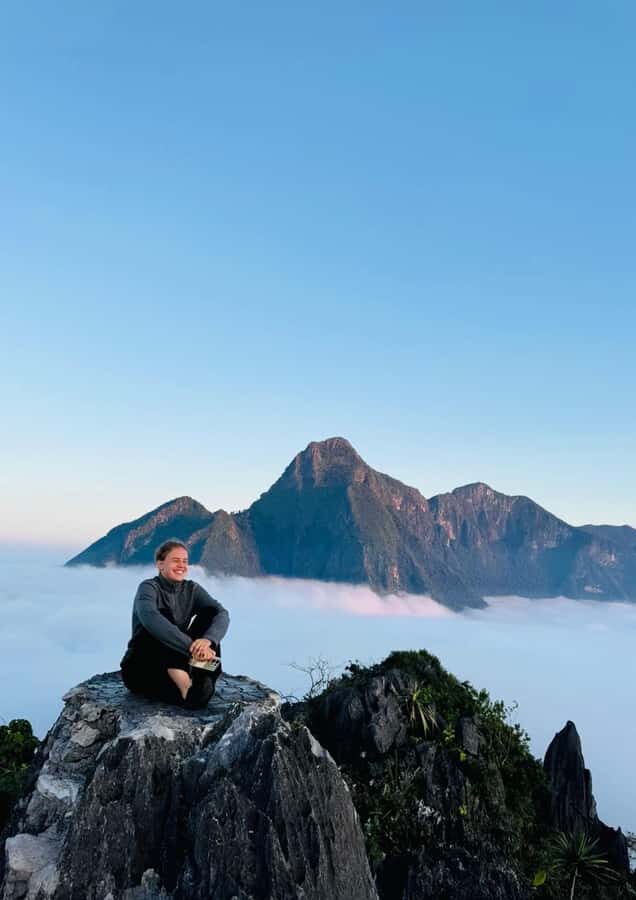
Day 3 is the big physical payoff. You hike for 6–7 hours toward mountain tops built for panoramic views over the villages and remote Lao valleys.
The route goes along the kind of trails locals use to tend steep mountain-top rice fields and to visit village areas along the way. That’s the connection that makes the distance worth it. You’re not just “going up for views.” You’re traveling through working land.
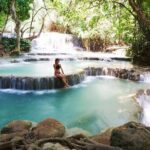
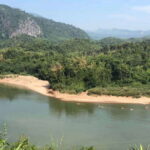
When you finish the climb, you head down toward the Nam Xeuang River, and this is where the trek ends. There’s an option for a swim at the trail’s end. If the water and conditions are safe, it’s a well-deserved reset after hours of hiking. Even if you skip the swim, the river stop gives you that mental “we’re done” moment.
After the trek, the return ride to Luang Prabang is about 1.5 hours. It’s a short ride compared with the walking time, so you’ll feel how much effort the trek took—then you’ll also feel how good it is to go back to the comfort of town.
Homestays and Meals: Basic Living, Real Warmth
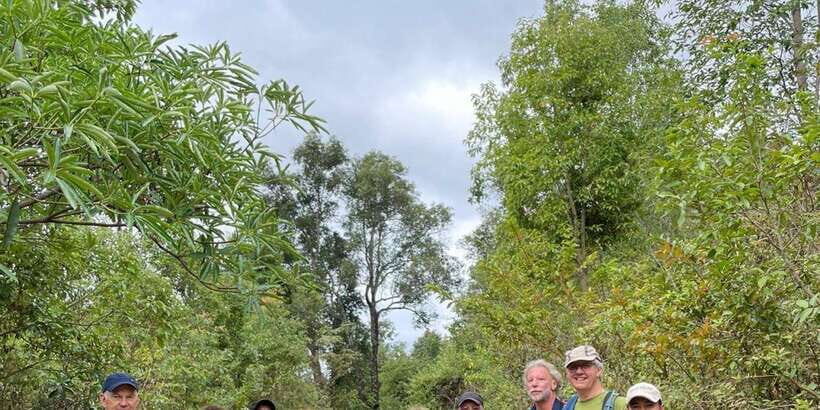
The homestay part is simple, and that’s exactly why it works. You’re sleeping in a basic, comfortable setup in a village context—not a hotel upgrade disguised as “authentic.” The value here is the access to local routines and conversation.
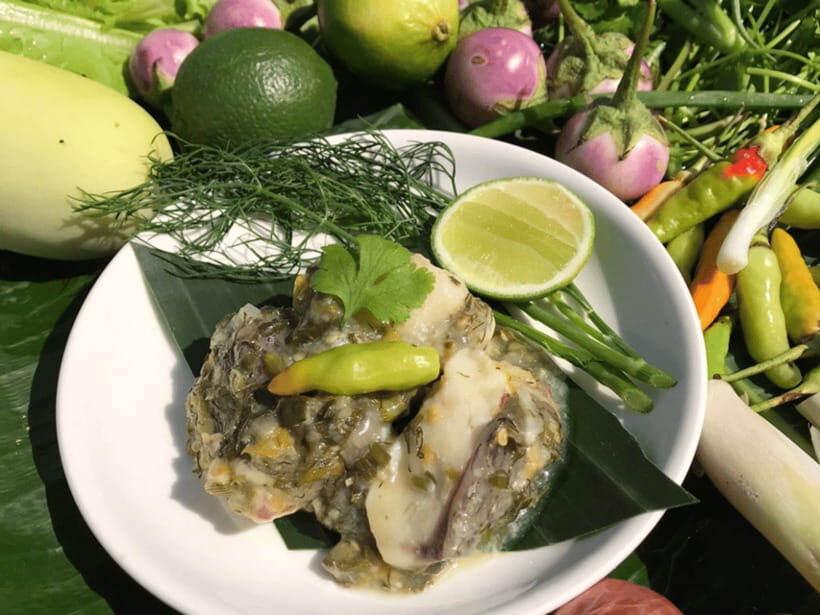
Meals are fully handled as described in the itinerary. That includes breakfast and dinners prepared during the trek and your overnight stay meals. One of the praised experiences is the dinner prepared by your guide together with a Hmong family—and in at least one case, local community hospitality went beyond a meal.
A guide-led trip once included an invitation to join in a Khmu New Year’s celebration, with shared food, music, dancing, and drinking Lao Lao and Beerlao. That’s not something you can count on every season, but it’s a strong sign of what’s possible when your schedule overlaps village life. If your travel dates line up, you may get a window into community celebrations.
Also worth noting: because the villages are remote, facilities are basic. Some homestay areas rely on solar power for electricity (so it’s not like you’ll be charging devices anyway). The main takeaway is to set your expectations before you go. If you go in expecting Luang Prabang hotel comforts, you’ll feel cheated. If you go in expecting simple village life, you’ll feel lucky.
What the Hiking Really Feels Like (And How to Prepare)
This tour is labeled medium grade, but the details matter. Your hiking hours are 4–5 hours on Day 1, about 4 hours on Day 2, and 6–7 hours on Day 3. That means the final day is long enough that you’ll feel it in your legs even if the terrain isn’t extreme.
Weather is a real factor. The trek runs rain or shine, and rainy season means more mud and more time on the trail. Heat also matters, and one review noted the tracks can be quite challenging when temperatures are high (around 37°C). That’s a good reminder that “medium grade” still means steady effort in tropical conditions.
So, pack based on the tour’s provided list:
- Comfortable shoes
- Change of clothes
- Insect repellent
- Water shoes
- Weather-appropriate clothing
And go in with the right mindset: this is not a “casual day out.” It’s a mountain walking experience tied to rice work and village trails.
Mobility note: this tour is not suitable for people with mobility impairments, and it’s also not suitable for pregnant women. If any of that applies, it’s best to skip this one.
A few more Luang Prabang tours and experiences worth a look
Price and Value: Why $360 Can Make Sense Here
At $360 per person for 3 days, this isn’t a budget “just add walking” deal. You’re paying for transport, boat crossings, guide time, village fees, permits, and all meals—plus homestay-type accommodation.
Here’s how I’d judge the value:
- You’re not only buying a trek map. You’re paying for access—the permits, village fees, and the guided route through remote areas.
- You’re not only buying transport. There are boat crossings and day-to-day movement between river areas and village centers.
- You’re not only buying a guide for logistics. You’re also buying cultural explanation and interpretation from an English-speaking guide (Aroun and Chan are two examples tied to praised performance).
- You’re not only buying views. You’re buying the chance to meet people, eat together, and spend actual time in villages (especially on Day 2).
If you want a cushy trip with electricity and fast transfers, this price may feel high. If you want a genuine remote cultural trek where the cost covers access and guidance, it can feel fair.
Also, it helps to compare to what you’d spend if you tried to piece it together locally without the structured support. Remote trekking is harder than it sounds when you factor in village permissions, safe route navigation, and meal planning.
Who This Trek Suits Best (And Who Should Skip)
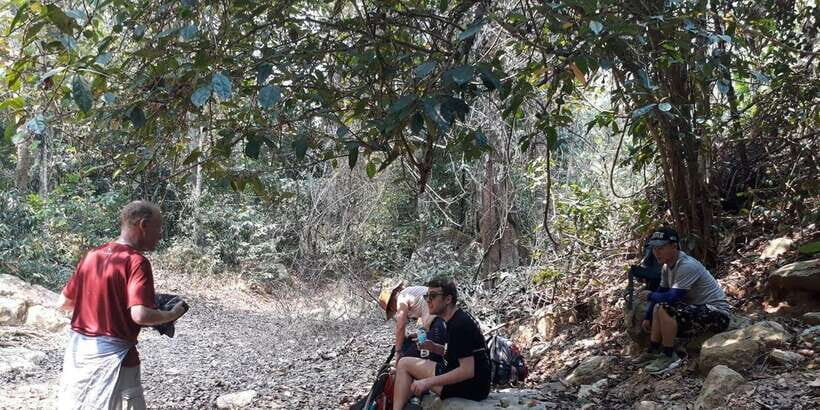
This tour is best for you if you want:
- A cultural trekking experience focused on village life
- Mountain views plus time inside communities
- A guide who explains nature and culture, not just directions
- Basic travel comforts in exchange for a more real connection with Laos
You might want to skip it if:
- You need reliable electricity or frequent charging (there’s no charging for camera batteries)
- You have mobility limitations or pregnancy-related restrictions
- You’re expecting a light walk with minimal walking time (Day 3 is a long one)
And if you’re the type who likes photos, plan smart. With limited charging, you’ll want to shoot intentionally rather than letting the camera run full power all day.
Should You Book This 3-Day Luang Prabang Remote Trek?
If you’re craving Laos beyond the riverfront and evening markets, I think this is a strong choice. The biggest win is the combination of remote trails villagers use, guided cultural interpretation, and homestay meals that feel connected to real life. Day 2’s long village time and Day 3’s mountain top effort are also a good pairing: you don’t just pass through.
Book it if you can handle basic conditions, rain-or-shine hiking, and the no-electricity reality. If those sound like deal-breakers, choose a more comfortable option closer to Luang Prabang.
FAQ
Where do I meet for the tour?
You meet at the Tiger Trail Travel office on the same street as Villa Maly hotel. The tour description also points you to use the Google Map for the exact location.
What time is departure?
You meet at 8:20am for an 8:45am departure.
How long is the trek each day?
Day 1 is about 4–5 hours walking. Day 2 is about 4 hours. Day 3 is about 6–7 hours, with the return to Luang Prabang taking about 1.5 hours.
Is the tour running in rainy season?
The tour runs rain or shine. It’s more challenging during the rainy season, and you may need extra time for the treks.
Will I have electricity to charge my camera batteries?
No. These remote villages have no electricity for charging camera batteries for the duration of the tour.
What meals are included?
All meals as described in the itinerary are included, including breakfast and dinners prepared during the trek.
What should I bring?
Bring comfortable shoes, a change of clothes, insect repellent, water shoes, and weather-appropriate clothing.
Is this tour suitable for everyone?
It is not suitable for pregnant women or people with mobility impairments.
Is hotel pickup available?
Pickup is optional. You can be picked up from your hotel and returned to your hotel on Day 3.