REVIEW · LUANG PRABANG
Living Land Rice Farming Experience
Book on Viator →Operated by Manifa travel · Bookable on Viator
That first muddy step is the whole point. Near Luang Prabang, Living Land lets you learn how rice is grown in real working conditions, not just watched from a road. I especially like that it combines hands-on farm work with village crafts and skills like bamboo weaving and sugar cane pressing. I also like the clear community payoff: your ticket helps support students. The one drawback to keep in mind is simple—this is a get-dirty day, so if you hate mud or slimy chores, you may feel out of place.
You’ll also get more culture than a typical short sightseeing stop. Families run the farm activities, and guides such as Johnny, Geo, Sai, and Kham are known for sharing family stories and farm know-how while you’re doing the work. If you want to turn it into a longer day, the experience can be paired with optional excursions to places like waterfalls or caves.
Logistics are straightforward. It’s about 5 hours total, with pickup offered and a group cap of 20. The farm program itself runs about 3 hours 20 minutes, starting around 8:30, with snacks at the end and lunch only if you choose the lunch option.
In This Review
- Key Points I’d Bet Your Time On
- Why This Rice Farming Experience Feels Different in Luang Prabang
- Living Land Farm: What You’ll Do (and Why It Matters)
- The Guides Make or Break the Day: Johnny, Geo, Sai, and Kham
- Lunch, Snacks, and the Best Time to Eat in the Fields
- Optional Waterfalls and Caves: Extending the Day Without Losing It
- Price and Value: What $64.17 Really Buys You
- Who Should Book This Rice Farm Experience (and Who Might Skip It)
- A Practical Morning Plan in Luang Prabang
- Should You Book Living Land Rice Farming Experience?
- FAQ
- How long is the Living Land Rice Farming Experience?
- Where does the tour take place?
- What is the price per person?
- Is pickup offered?
- Is lunch included?
- How big are the groups?
- What does my payment support?
- What happens if the weather is bad?
Key Points I’d Bet Your Time On

- You work the rice process, including planting and other key stages, not just photos
- Craft and farm skills go beyond rice (bamboo weaving, sugar cane pressing, blacksmithing)
- You get fed twice if you choose lunch: rice-based snacks plus typical Luang Prabang dishes and fruit
- Money supports education with help for 60+ students and free English classes
- Small groups (max 20) keep the pace friendly and hands-on
- Optional add-ons can extend the day toward waterfalls/caves, if you want more variety
Why This Rice Farming Experience Feels Different in Luang Prabang
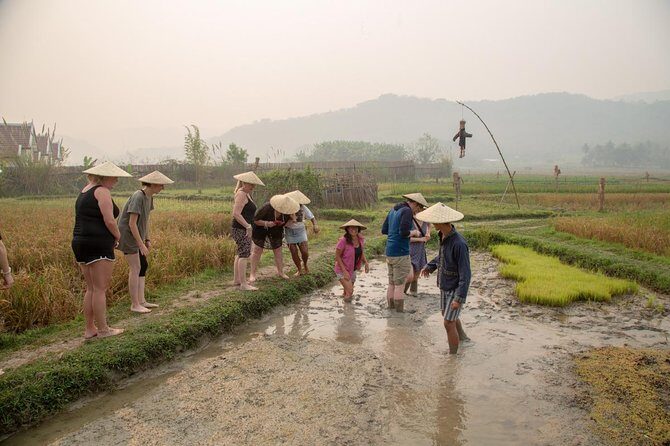
Most tours show you agriculture the way you’d show a museum. This one treats it like work—because it is. You’ll be asked to take part in farm tasks tied to how rice actually grows, and that changes everything about your understanding. Rice isn’t a single “plant and harvest” moment. It’s a long chain of steps, timing, and tools, with plenty of effort in between.
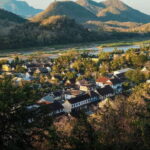
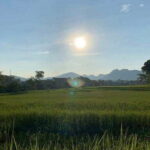
Two things I like a lot here. First, the setting does the heavy lifting. The farm is just outside Luang Prabang with rice fields and mountain views, so the work happens in a landscape you can feel. Second, the program is structured so you keep moving through activities instead of standing around. Even people who thought rice was boring tend to end the day with a new respect for it.
One consideration: you’re not doing this from a comfortable platform. If you’re squeamish about mud, slippery ground, or getting your hands busy, plan your expectations carefully.
A few more Luang Prabang tours and experiences worth a look

Living Land Farm: What You’ll Do (and Why It Matters)
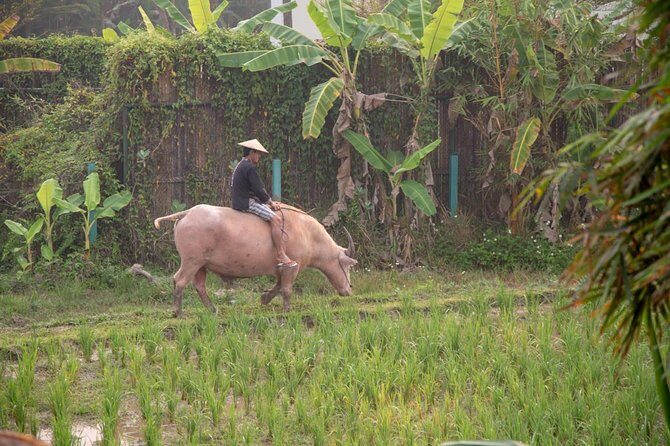
The heart of the experience is the Living Land community farm, a working rice area just outside town. Rice is planted throughout the year, so the farm’s routines connect to real farming schedules rather than a one-time demo.
Here’s what your time typically includes:
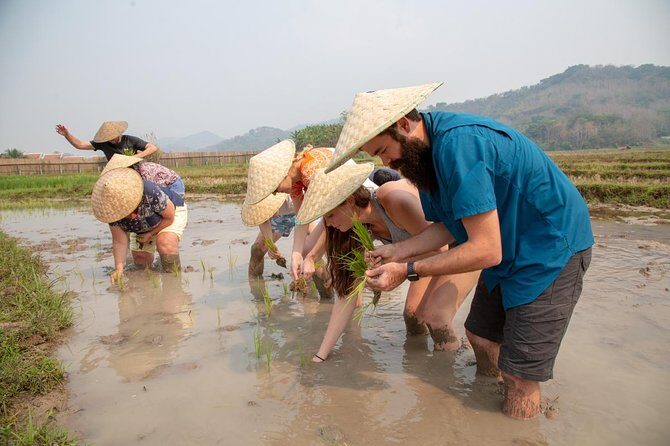
- Rice planting and field work: You’ll learn how rice is planted and participate in key stages of the process. Based on how the program is described, you’re working through multiple steps (people often mention a long sequence rather than a quick one).
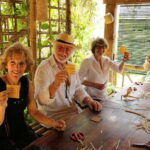
- Other farm activities: You can expect additional hands-on components beyond rice, including bamboo weaving, sugar cane pressing, and blacksmithing. These parts help you see the “whole system,” not just the crop.
- Rice-based snacks: The farm program finishes with a tasting of rice snacks, so you get a taste of what you learned, right there.
Why this matters for you: rice farming is usually invisible on travel days. You see the final product in markets, restaurants, and dishes, but not the labor chain. When you work the paddies and handle the “tools and tasks” side of the day, rice stops being a menu item and becomes a process you can actually picture.
And yes, the work can get messy. People specifically point out mud time and “knee deep” moments. The farm also encourages practical participation, including taking shoes off for parts of the activity. Pack for that reality.
The Guides Make or Break the Day: Johnny, Geo, Sai, and Kham
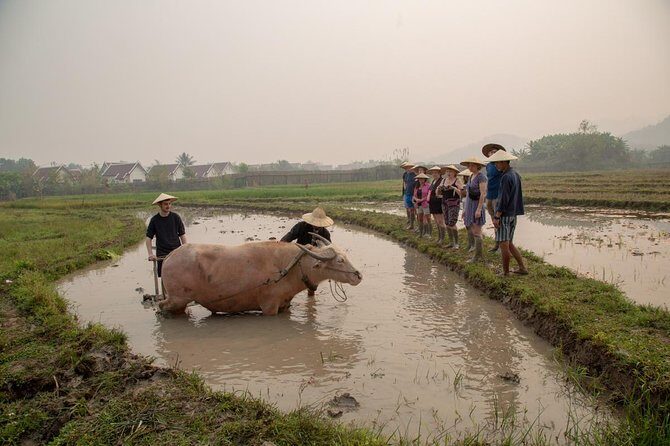
A hands-on tour still lives or dies by the teacher. At Living Land, the guide role seems to be strong, and multiple names come up repeatedly—Johnny, Geo, Sai, and Kham. The common thread isn’t just explanations. It’s how they connect tasks to family life and local routines.
When your guide tells family stories while you’re in the field, the day clicks faster. You’re not only learning what to do; you’re learning why it’s done that way. That helps you remember the steps later, like when you’re eating Lao food back in town and suddenly think about what rice might have been through.
I’d look at it like this: crafts such as bamboo weaving or blacksmithing can feel like random “extras” on some tours. Here, they’re placed alongside rice work, which makes them feel like part of everyday village life.
Tip from the way the day is described: show up ready to follow instructions and ask questions. The more you lean in, the less the time feels like a scripted attraction.
Lunch, Snacks, and the Best Time to Eat in the Fields
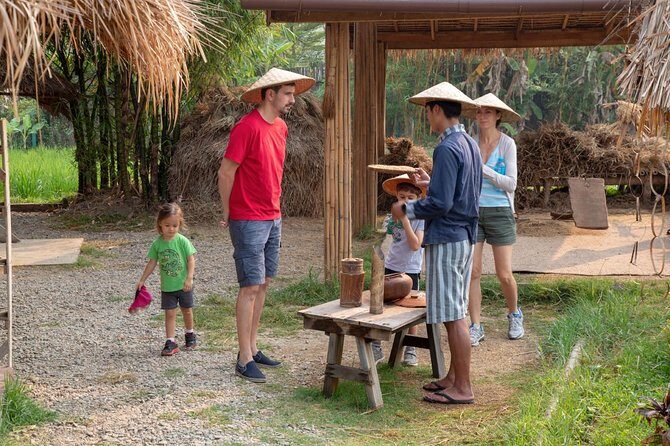
You’ll have food tied to the farm program, but the details depend on your option. The experience offers lunch only when you choose the option that includes it. When lunch is included, you eat at the farm with a selection of typical Luang Prabang dishes and fruit.
Even if you skip the lunch option, the program includes tasting rice-based snacks at the end. That’s an easy way to refuel after hands-on work, without turning the day into a long sit-down meal.
Practical expectation: after a morning or late-morning of field work, you’ll probably feel hungrier than you think. This is the kind of day where lunch can matter—not because it’s fancy, but because you’ll want the energy.
If you do choose lunch, plan for a slower pace after the meal. Food is part of the rural rhythm here, not an afterthought.
Optional Waterfalls and Caves: Extending the Day Without Losing It
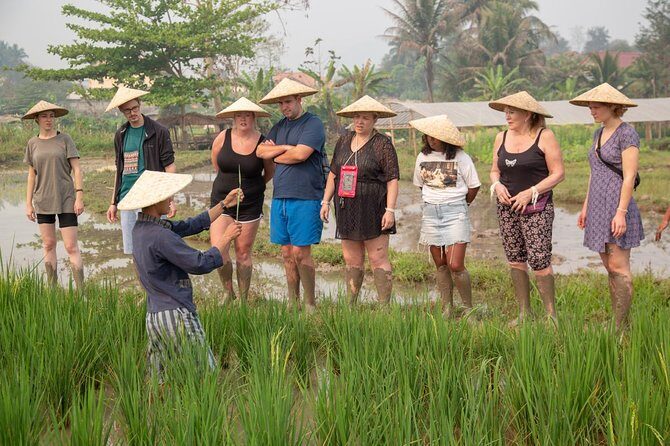
Living Land offers the option to add other excursions, such as waterfalls or caves. That’s a good move if you’re the kind of traveler who likes variety in one day rather than repeating only one theme.
One real-world caution comes up when people add waterfall time: make sure your transport plan is clear. In one described scenario, the route choice turned an efficient add-on into extra waiting and extra driving time. The most useful practical advice is simple—ask the driver to take you directly to the falls if your plan includes them, and don’t assume you’ll return to your hotel as a required step.
If you’re adding excursions, I’d treat your time like a precious resource:
- Confirm what order your day follows
- Ask where lunch fits
- Be clear about whether you’re going straight to the next stop after the farm
Do that, and you keep the day from feeling like a shuttle marathon.

Price and Value: What $64.17 Really Buys You
Living Land costs $64.17 per person, and that price includes all fees and taxes. You’re also getting admission to the farm program, which runs about 3 hours 20 minutes inside the total ~5-hour experience window.
Here’s why the value can be strong for the right traveler:
- You get real participation: rice field work plus additional farm skills like bamboo weaving, sugar cane pressing, and blacksmithing.
- You get a meal or at least snacks, depending on your option.
- Your payment supports education: proceeds support over 60 students’ studies and the village runs free English classes.
That last part is the big one. Many tours say they help communities. This one ties your purchase to measurable local support for students and language learning. If you care about where your tourism money goes, this is the kind of activity that makes that connection feel direct.
Also, the numbers look healthy: it has a very high recommendation rate and a strong rating, and it’s seeing 10+ bookings in a recent month. That doesn’t guarantee your day will be perfect, but it does suggest the farm program is operating consistently enough to earn repeat interest.
Who Should Book This Rice Farm Experience (and Who Might Skip It)
This tour is a fit for you if:
- You want a hands-on day with practical understanding, not just photos
- You enjoy rural work and don’t mind getting dirty
- You like learning from people who live the skills year-round
- You want to support local education while doing something memorable
You might want to think twice if:
- You’re tightly limited by mobility or comfort needs around uneven ground and mud (the work happens in the field)
- You want a relaxing, low-effort afternoon
Good news: the experience notes that most travelers can participate, and the group size cap at 20 suggests there’s a structure for managing different comfort levels. Still, the core activity is working agriculture, so bring the right mindset.
A Practical Morning Plan in Luang Prabang
Start time is listed as 8:00 am, and pickup is offered. The farm program begins around 8:30 and runs about 3 hours 20 minutes, then you finish with snacks and return as the day schedule allows.
To keep the day easy:
- Wear clothes you don’t mind getting muddy.
- Expect some tasks to be hands-first and instruction-led.
- Plan for a bit of physical effort. Even if you’re not farming before, the day is designed for visitors who want to try.
If you’re adding a waterfall or cave trip, decide early so you don’t end up with last-minute schedule stress. One of the most common travel annoyances is thinking the day will move one way, and it moving another. With this kind of day, you’ll enjoy it more if you go in with clarity.
Weather matters too. The experience requires good weather, and if it’s canceled due to poor conditions, you’ll be offered a different date or a full refund.
Should You Book Living Land Rice Farming Experience?
If you want one memorable Luang Prabang activity that goes beyond temples and river views, I’d book this. It’s one of those rare tours where your hands actually learn something, and the rice work connects to village skills and education support for over 60 students.
Just be honest with yourself about the mud factor and physical effort. If you’re ready to get dirty and follow instructions, this is likely to feel worth every minute. If you’re hoping for a light, clean, purely observational experience, you’ll probably feel frustrated.
Overall, the value is strong for the price, and the community funding angle makes the ticket feel more meaningful than a typical half-day outing.
FAQ
How long is the Living Land Rice Farming Experience?
The experience lasts about 5 hours total (approx.). The farm program itself is about 3 hours 20 minutes.
Where does the tour take place?
It takes place in Luang Prabang, Laos, with the farm located just outside of town.
What is the price per person?
It costs $64.17 per person.
Is pickup offered?
Yes, pickup is offered.
Is lunch included?
Lunch is included only if you choose the option that includes lunch. A lunch of typical Luang Prabang dishes and fruit is served at the farm when that option is selected.
How big are the groups?
The experience has a maximum of 20 travelers.
What does my payment support?
Proceeds support over 60 students with their studies, and the village operates free English classes for the whole village.
What happens if the weather is bad?
This experience requires good weather. If it’s canceled due to poor weather, you’ll be offered a different date or a full refund.