REVIEW · NONG KHIAW
Nongkhiaw boat trip to Muang Ngoi
Book on GetYourGuide →Operated by Boat trip from Nongkhiaw to Muang Ngoi Experience · Bookable on GetYourGuide
The ride up the Nam Ou River feels like slow travel with a purpose. I love the mix of easy boat cruising and hands-on stops, from the Tad Mok waterfall to a local organic farm. I also like that the day doesn’t just end at scenery: you walk in rice paddies to a historical cave and explore Muang Ngoi’s village lanes with your guide, like Thieng’s calm, practical hosting style (great English, and he coordinates pickup smoothly). One thing to consider: it’s not a sit-everywhere tour, so you’ll want comfortable walking shoes and you should be ready for short hikes and uneven paths.
You’ll leave Nong Khiaw by boat and spend the day moving through real rural Laos—villages along the river, cows and buffaloes at the water’s edge, and mountain views that change with the light. A possible drawback is pacing: parts of the schedule involve transfers, and the “active” bits (cave walking and a trek through rice paddies) are the reason this trip isn’t ideal for everyone.
In This Review
- Key Points at a Glance
- Up the Nam Ou: The Boat Trip Begins in Nong Khiaw
- Tad Mok Waterfall and Sop Kong’s Organic Farm Stop
- Weaving Village Glimpse: A Craft Interlude That Changes the Mood
- Rice Paddies to a War-Era Cave: Where the Walking Feels Real
- Muang Ngoi Village Time: Slow Down in a Quiet Retreat
- The Cave Walk in Muang Ngoi: Easy Road, Meaningful Stop
- Ban Na Villages and the Return Boat: Sunset Is the Payoff
- Price and Value: What $75 Gets You (and What It Doesn’t)
- Who Should Book This Trip (and Who Might Want to Skip It)
- Practical Tips: What to Bring and How to Have a Smoother Day
- Should You Book the Nong Khiaw to Muang Ngoi Boat Trip?
- FAQ
- Where is the meeting point for this tour?
- What does the tour include?
- Are meals and drinks included?
- How much does the tour cost?
- What language is the guide?
- What group size should I expect?
- What should I bring?
- Is this tour suitable for children?
- Is there any content or items that are not allowed?
- Is there free cancellation?
- What’s the walking like during the tour?
Key Points at a Glance
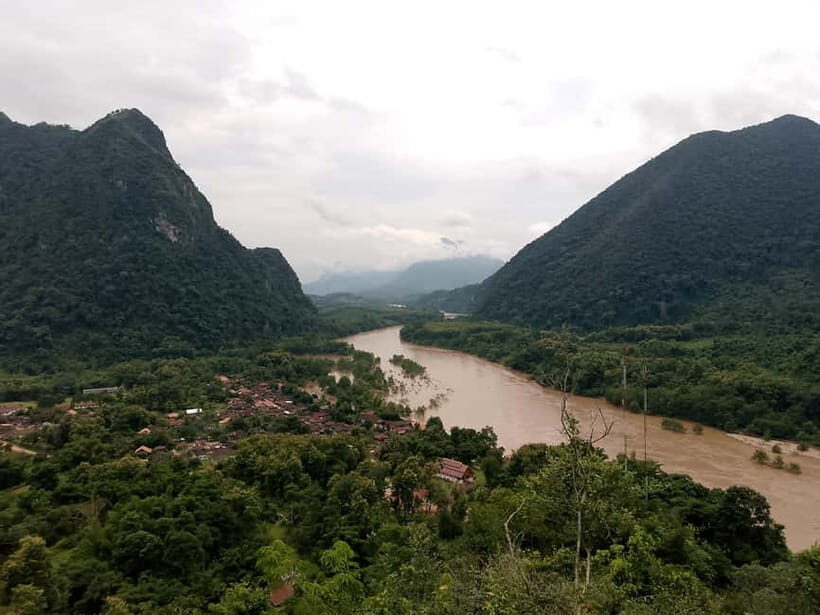
- Nam Ou River cruise: scenery with rural daily life along the banks
- Tad Mok waterfall + Sop Kong organic farm: a rewarding stop beyond photo ops
- Weaving village and village exploration: crafts and daily routines you can actually see
- Rice-paddy trek to a war-era cave: short hike with strong historical context
- Muang Ngoi village time: slow down in a quieter traveler retreat
- Sunset on the return boat: a built-in payoff for the long day
Up the Nam Ou: The Boat Trip Begins in Nong Khiaw
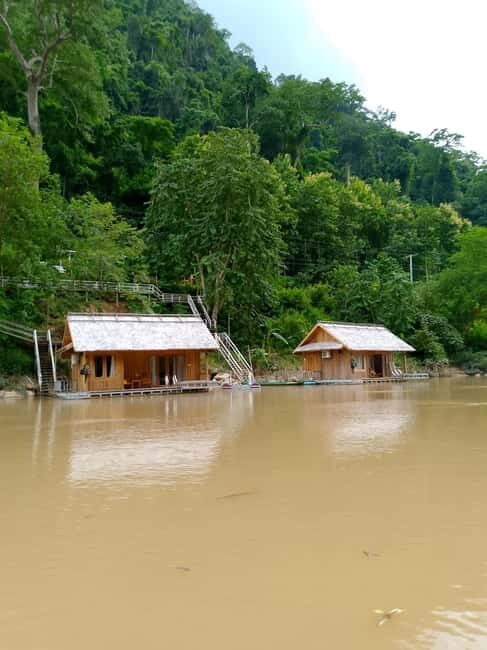
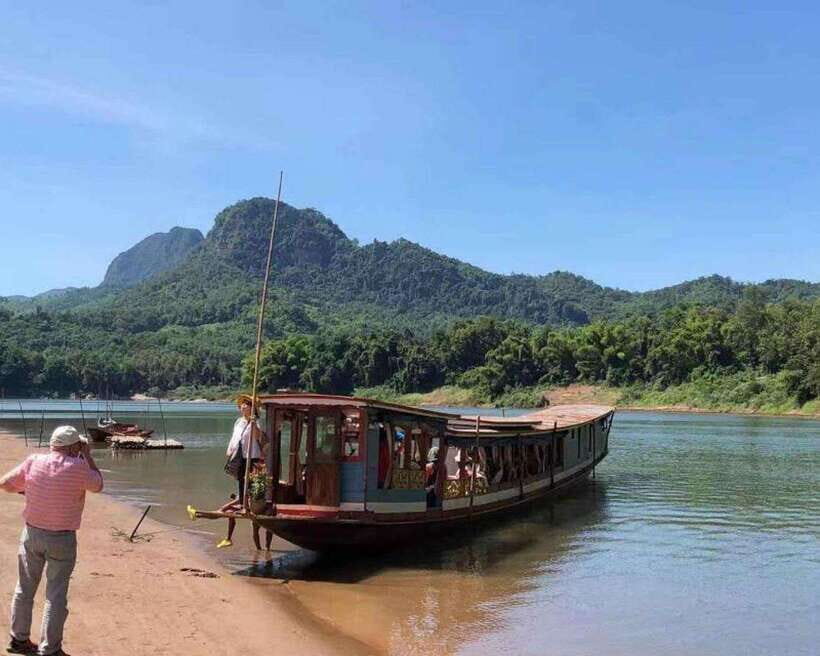
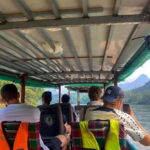
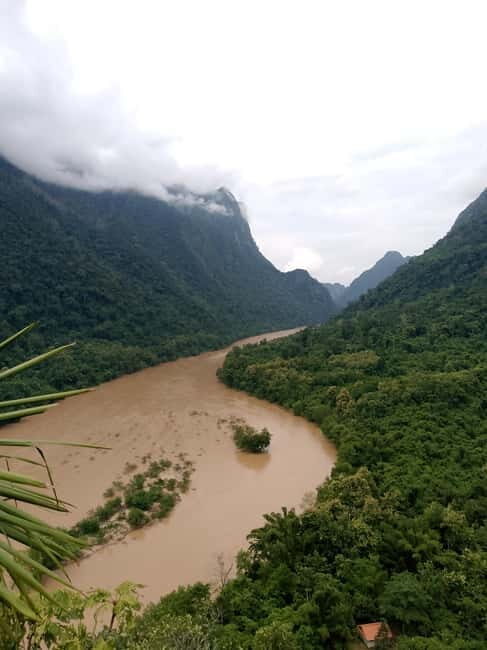
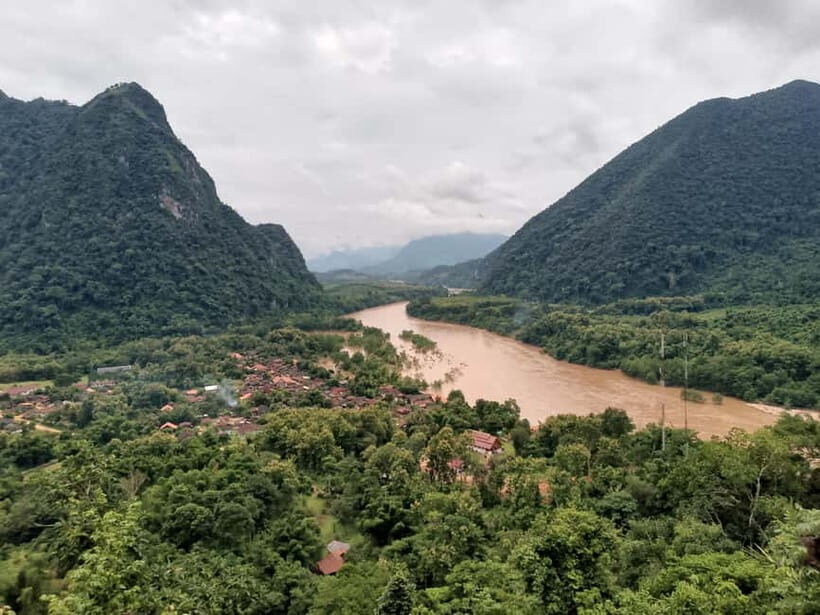
This is the kind of tour where the journey is part of the reward. You start in Nong Khiaw, and then you’re on the Nam Ou River with a live English-speaking guide, cruising past villages and river activity. You’ll see fishermen and farmers working along the water, plus herds of cattle and buffaloes bathing—daily life that makes the trip feel grounded instead of staged.
What I like most is how the river views come in layers. In the morning, the water can look especially vivid, and as you move around bends you pick up different angles on the hills and mountains. On the way back, the scenery shifts again—people who prefer photos usually love that return light, when mountains can look darker and more monochrome.
Small group matters here. The tour is limited to 3 participants, so you’re less likely to feel like you’re being rushed through each stop. One review stood out for how smoothly the guide handled a solo traveler: Thieng coordinated pickup and even met the day before to walk through logistics. That kind of calm organization helps the whole trip feel easier.
You can also read our reviews of more boat tours in Nong Khiaw
Tad Mok Waterfall and Sop Kong’s Organic Farm Stop
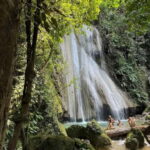
The first big “stretch your legs” highlight is the stop in Sop Kong village for Tad Mok Waterfall and an organic farm visit. This is more than a quick waterfall glance. You’re visiting the local village people and seeing how everyday agriculture and nature connect in the same area.
Why it works: waterfall stops can be hit-or-miss on some tours—either too rushed or too crowded. Here, the farm component gives you a second anchor for the time on shore. It turns the stop into a story of how locals live with the land: the water feeding the ecosystem, the farm work supporting the community, and the waterfall functioning as both a natural feature and a local attraction.
Practical note: you’ll want to bring what keeps you comfortable in tropical sun. The tour recommends biodegradable sunscreen and beachwear, which tells you the waterfall stop may include at least some time where you’re close to splash zones.
Weaving Village Glimpse: A Craft Interlude That Changes the Mood
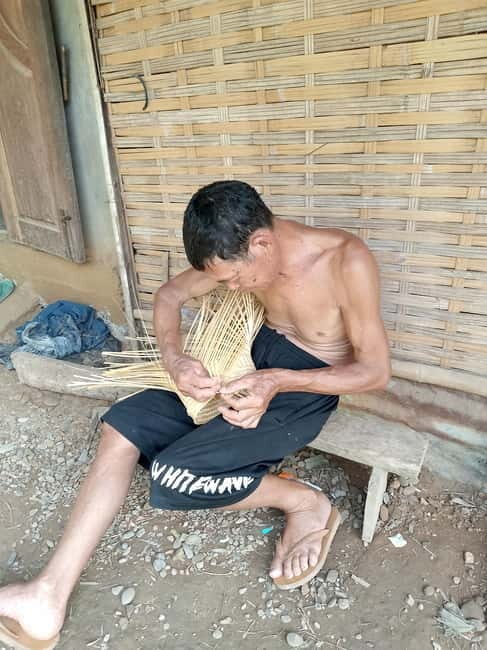
After the waterfall-and-farm portion, the tour includes time at a traditional weaving village. This is the kind of stop that quietly upgrades your whole day. Instead of only seeing rural life outdoors, you get a sense of skill and household production—how people make textiles that often reflect patterns, materials, and long-practiced techniques.
You won’t need to be an expert to appreciate it. Even a short visit helps you connect what you see in Muang Ngoi and the surrounding villages later: people aren’t just passing scenery here; they’re living communities with traditions you can observe directly.
If you’re the type who likes to buy one meaningful thing rather than collecting souvenirs, this kind of craft stop is worth paying attention to. The tour includes guided context, and that guidance can help you tell the difference between a quick sales pitch and something genuinely connected to village life.
Rice Paddies to a War-Era Cave: Where the Walking Feels Real
One of the most memorable parts of this day is the trek through rice paddies to a historical cave used as shelter during the war. This is the moment when the tour stops being only scenic and becomes something more grounded.
The route is described as a trek, but it’s not framed as extreme mountaineering. Still, it’s a walking-focused segment through fields—so expect uneven ground in places, and plan on using that “comfortable walking shoes” advice. Even if the hike is short, the surfaces can be muddy after rain, and you’ll be walking more than you would on a pure sightseeing day.
Why this stop is valuable: caves in tourist regions can turn into vague “photo locations.” Here, the cave is specifically tied to a war shelter function. You get a clearer sense of why people stayed where they did and what the terrain offered during difficult times. It’s not just a place you pass through; it’s a place where survival shaped local memory.
Muang Ngoi Village Time: Slow Down in a Quiet Retreat
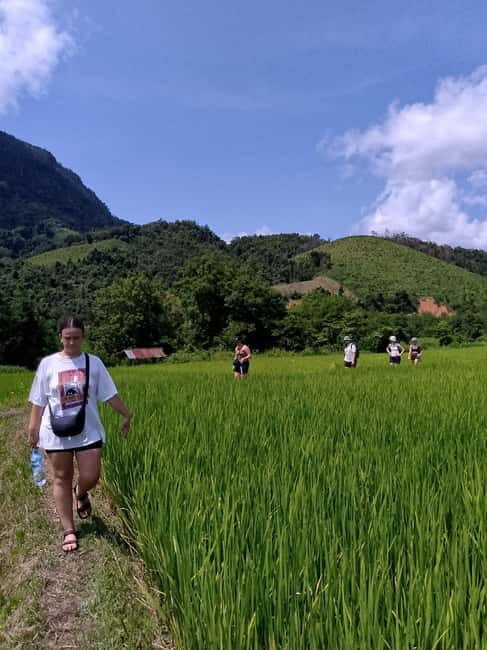
When you arrive at Muang Ngoi, you get time to explore. Muang Ngoi has a reputation as a calmer escape, and the tour structure supports that feeling: you don’t just drop in for 10 minutes and leave. You’re given a window to wander the village at your own pace with your guide’s guidance nearby.
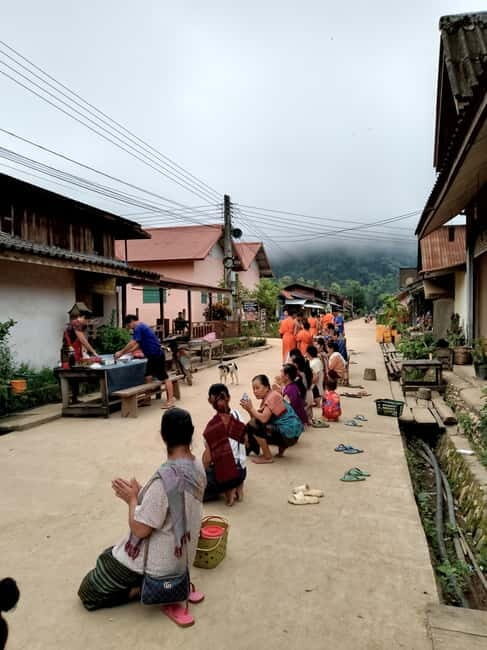
What makes this time special is the mix of relaxation and small discoveries. You can look for weavers, observe village routines, and get a feel for how daily life works here. If you like taking breaks—sitting, watching, and letting the village come to you—Muang Ngoi fits that style well.
One note from experience with small groups: if you’re traveling solo or with just a couple of people, the guide may be able to adjust small parts of the schedule. In one case, a solo traveler opted out of a viewpoint walk elsewhere because they’d already done it, and the guide tailored the pace without breaking the overall plan. That flexibility is a quiet perk of keeping group sizes small.


The Cave Walk in Muang Ngoi: Easy Road, Meaningful Stop
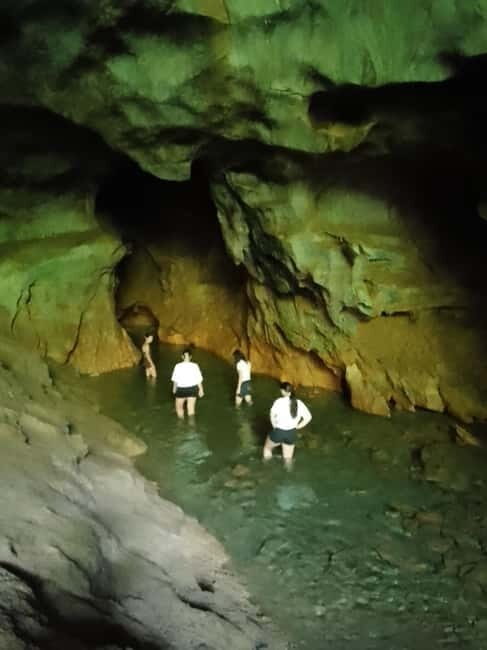
After spending time inside Muang Ngoi, you’ll walk out to the cave where village people stayed during the war. Then there’s additional walking along an easy road into the valley to see a smaller rural village.
This part is a good blend. The cave walk connects you to the earlier war-related story, and the road portion gives you a change of scenery: less steep terrain, more open valley views and everyday life. It also works as a “reset” after the rice-paddy trek. If you want to keep your energy for photos and a relaxed village wander, this segment helps you do that.
If you’re the kind of traveler who likes context, take your time here. The value isn’t only the physical cave; it’s understanding how this geography mattered to people.
Ban Na Villages and the Return Boat: Sunset Is the Payoff
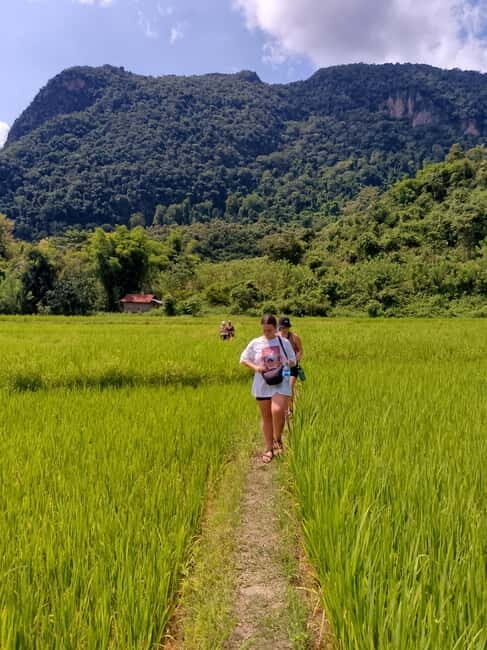
The tour includes a visit to Ban Na villages, and then you head back by boat. This is where the day shifts from activity to reward.
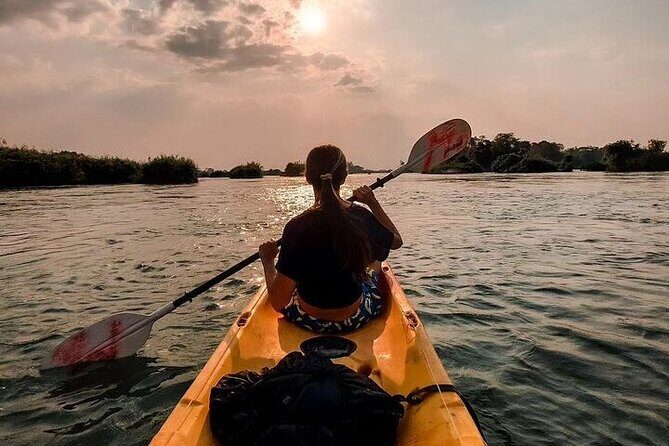
On the return cruise, you’re positioned to enjoy the scenery as the light changes. The boat ride toward the end is specifically described as offering a spectacular sunset. That’s the kind of finish that makes you feel like the earlier walking segments were worth it, especially if you like natural drama in your travel photos.
Also, river travel has a rhythm. In the morning you notice the bright water and small village movements. Later you notice the mountains more. In one experience, mountains on the way back looked striking in monochrome shades—exactly the sort of visual shift you can’t easily recreate on land.
If you care about sunset photos, plan to be ready when the boat begins the return stretch. You won’t want to wait until you’re already mid-cruise to decide where you’ll stand or sit.
Price and Value: What $75 Gets You (and What It Doesn’t)
At $75 per person, this is priced for a guided, small-group half-day or full-day style outing that includes boat transport and multiple site visits.
Here’s what you’re paying for:
- Boat cruise on the Nam Ou River
- Visits to Tad Mok Waterfall and an organic farm
- Village exploration in Muang Ngoi
- Trekking time to a historical cave
- A tour guide (English)
- A small group setup (limited to 3 participants)
What you’re not paying for:
- Meals and drinks
- Personal expenses
So is it good value? For me, yes—if you want the Nam Ou River ride plus real village stops, not just a single waterfall and a quick turnaround. The day is built around multiple locations, and the guide role matters because it’s not a “self-guided pile of stops.” You’re also getting some active walking (rice paddies and caves), which can make the cost feel justified versus purely passive sightseeing.
One caution: since meals aren’t included, you’ll want to plan your timing around lunch. The tour likely includes village time where you can take a break, but you should still assume you’ll need to buy food and drinks yourself.
Who Should Book This Trip (and Who Might Want to Skip It)
This tour is best for travelers who enjoy a mix: boat scenery, village life, and short hiking. It’s also especially good if you want a guide who explains what you’re seeing in plain English.
It’s not suitable for:
- Children under 10 (and additional age cutoffs up to under 12)
- People over 70
- Babies under 1 year
- People with altitude sickness
- People over 95
If you’re older and still want to do this area, you might want to compare walking requirements on other nearby options—because this one includes trekking and cave walking. Also, there’s a practical rule: comfortable walking shoes are recommended, and the tour isn’t built like a wheelchair-friendly experience.
If you’re bringing kids or infants, skip this one and look for a gentler alternative. The constraints are specific, and it’s better to match the activity to your group than force it.
Practical Tips: What to Bring and How to Have a Smoother Day
The tour gives you a solid packing list. I’d follow it closely:
- Biodegradable sunscreen
- Beachwear (useful for water contact around the waterfall)
- Binoculars (great for spotting small river and hillside activity)
- Comfortable walking shoes
A couple of small but important “behavior” notes:
- No baby strollers or baby carriages (this can matter for anyone traveling with small kids)
- No alcohol or drugs
- No audio recording
Also, since meals aren’t included, consider bringing a simple snack strategy (again, without assuming anything is provided). Even if the day includes village time, you’ll enjoy it more if you don’t feel hungry and unprepared.
Should You Book the Nong Khiaw to Muang Ngoi Boat Trip?
Book it if you want:
- A guided Nam Ou River boat cruise with real rural scenes
- A mix of waterfall, farm visit, village time, and a war-era cave connection
- A small group setup (up to 3), which often means a calmer experience
Skip it if:
- You don’t enjoy walking through uneven ground (rice paddies and cave routes)
- You need a fully sit-down tour with no trekking segments
- You’re traveling with anyone who falls under the listed age constraints
If you’re planning this trip as a way to understand the region beyond the postcard view, this one fits the bill. The river ride plus the village stops make it feel like a route through daily life, not just a highlight checklist. And if sunset matters to you, the timing is built around that payoff.
FAQ
Where is the meeting point for this tour?
You meet at the client’s hotel.
What does the tour include?
It includes a Nam Ou River boat cruise, visits to Tad Mok waterfall and an organic farm, a trek to a historical cave, exploration of Muang Ngoi village, a visit to Ban Na villages, and a tour guide.
Are meals and drinks included?
No. Meals and drinks are not included.
How much does the tour cost?
The price is $75 per person.
What language is the guide?
The tour guide provides English.
What group size should I expect?
It’s a small group limited to 3 participants.
What should I bring?
Bring biodegradable sunscreen, beachwear, and binoculars. Comfortable walking shoes are recommended.
Is this tour suitable for children?
No. It is not suitable for children under 10, and there are additional age limits stated up to under 12. It’s also not suitable for babies under 1 year.
Is there any content or items that are not allowed?
Alcohol and drugs are not allowed. Audio recording is also not allowed. Baby strollers and baby carriages are not allowed.
Is there free cancellation?
Yes. Free cancellation is available up to 24 hours in advance for a full refund.
What’s the walking like during the tour?
The tour includes trekking through rice paddies and walking to and exploring caves, so comfortable walking shoes are important.