REVIEW · LUANG PRABANG
Private Luang Prabang City Tour
Book on Viator →Operated by Manifa travel · Bookable on Viator
Luang Prabang hits hard when you start before sunrise. I like the Alms Giving Ceremony for how it sets the tone, and I like the private guide approach that makes the day feel paced for you, not for a bus schedule. You’ll also spend the hottest hours in an air-conditioned car, so the long day doesn’t feel like punishment.
The one real catch is the early wake-up: pickup is around 5:15 am (March–October) or 5:45 am (November–February). Expect about 12 hours total, and the day includes multiple temples plus a hill climb, so wear shoes you can handle on uneven stone.
If you want to see the UNESCO World Heritage core without running between spots on your own, this tour is built for exactly that. You’ll get a clear route through the old town, plus a couple of stops that most people skip but really help you understand Laos beyond the photos.
In This Review
- Key Things to Know Before You Go
- Why This Luang Prabang Tour Works When You Have Limited Time
- Pickup and the Early Start: Alms Giving at the Right Time
- Stop 1: Alms Giving Ceremony (How to Get It Right)
- Stop 2: Morning Market Time, Then Moving On
- Old Quarter Luang Prabang: Where Lao and Colonial Details Collide
- Riverview Park: A Small Stop With Big Geography
- Wat Xiengthong: The Temple of the Golden City Look
- Wat Sensoukharam: Hundred-Thousand Stones and a Softer Tempo
- Royal Palace Museum: The Colonial-Era Museum You Should Time Carefully
- UXO Lao Visitors Centre: A Sobering Stop That Explains the Present
- Wat Wisunarat and Mount Phousi: Finishing With Temples and Panoramic Views
- Transportation and Comfort: Air-Conditioned Car, Real Breaks
- Price and What You’ll Actually Budget For
- How the Private Guide Changes the Whole Day
- Who This Tour Suits Best
- Should You Book It?
- FAQ
- What is the duration of the Private Luang Prabang City Tour?
- What time is pickup for the morning alms giving ceremony?
- Is hotel pickup included?
- Is this tour private or shared?
- Are admissions to temples and museums included in the price?
- Is the Royal Palace Museum always open?
- Is the UXO Lao Visitors Centre included, and when is it closed?
- Is lunch included?
- What happens if weather is poor?
- Can I get a refund if I cancel or change the booking?
Key Things to Know Before You Go
- Sunrise alms giving sets a respectful, meaningful start before most of town wakes up
- Private car + licensed local guide keeps the route efficient and the explanations practical
- Major temples in one loop, including Wat Xiengthong and Wat Sensoukharam
- Some important admissions are not included, so plan for temple museum entrance fees
- Closure timing matters: the Royal Palace Museum is closed the last Thursday; UXO Lao Visitors Centre is closed Sat–Sun
- End with views from Mount Phousi, timed early enough to beat the worst heat
Why This Luang Prabang Tour Works When You Have Limited Time
Luang Prabang can be surprisingly compact, but the “best bits” are spread out across the peninsula and along the rivers. This tour is designed to stitch those highlights into one sensible route, with a real morning start and a full circuit of the old town.
The value isn’t just the number of stops. It’s the fact that you’re not guessing where to go next or trying to coordinate transport while you’re tired. You also get English-speaking, licensed guidance, which matters in places where details like temple names, architectural choices, and daily rituals are the whole point.
And yes, it’s a long day. Still, the pacing helps: you see the most time-sensitive parts early, then hit the rest while the city is moving and you’re not scrambling.
You can also read our reviews of more city tours in Luang Prabang
Pickup and the Early Start: Alms Giving at the Right Time
Pickup happens from your accommodation or the city center, starting early. The timing is seasonal: around 5:15 am from March to October, and around 5:45 am from November to February.
That early start is not just for the view. It’s so you can observe the monks’ sunrise alms procession at a moment when the atmosphere is quiet and respectful. You’ll then move straight into the morning market, which keeps the day flowing.
Practical note: with an early start, plan your evening the night before. If you’re coming from another town, make sure your arrival day doesn’t leave you wiped out. This tour rewards people who treat it like a whole-day mission, not a casual stroll.
Stop 1: Alms Giving Ceremony (How to Get It Right)
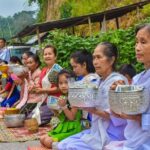
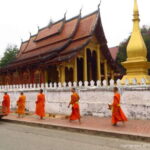
The alms giving ceremony is one of the most distinctive experiences in Luang Prabang. You’ll rise early to watch monks receive offerings at sunrise, in a way that’s meant to be respectful and orderly.
What I like about this part of the itinerary is the structure. Instead of treating it like a photo op, the tour frames it as a cultural practice you observe, not something you force. The goal is to understand the setting and the ritual rhythm, then use that context to appreciate the temples you’ll visit later.
If you’re unsure about what to do, your guide will help you with the basics of respectful behavior. Since this is a private tour, you’re not fighting for space in a crowd the whole time.
Stop 2: Morning Market Time, Then Moving On
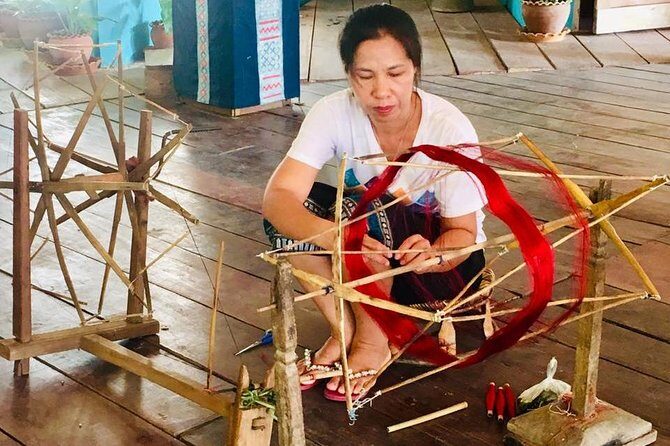
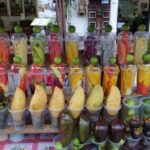
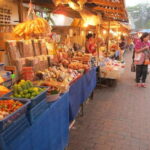
After alms giving, you’ll head to the morning market, which lines a couple of quiet streets near the Royal Palace area. It starts early and is basically over by mid-morning, so the timing is key.
This stop is short, and that’s a good thing. It gives you a quick pulse of daily life—what people buy, how stalls are set up, and how the market fits into the morning flow. Then you’re not stuck browsing while the day’s heat climbs.
I’d treat the market as orientation more than shopping. If you buy something, great. If you just want to understand the place, you’ll still get value from the stop.
Old Quarter Luang Prabang: Where Lao and Colonial Details Collide
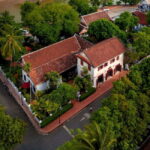
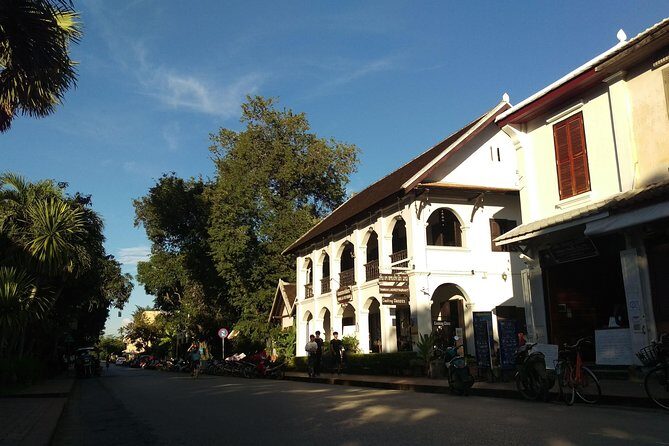
The next stretch is all about seeing the old town core—UNESCO World Heritage territory known for the blend of traditional Lao culture with European colonial-era influence in architecture and street character.
You’ll spend about 4 hours here, which is long enough to actually notice details instead of just passing through. Expect your guide to connect buildings and street patterns to what you’ve just learned in the morning, so the walk feels like it has a purpose.
If your main concern is simply getting your bearings, this is a smart section. You’ll see where the key sites are relative to each other, which makes the later stops feel less random.
You can also read our reviews of more private tours in Luang Prabang



Riverview Park: A Small Stop With Big Geography
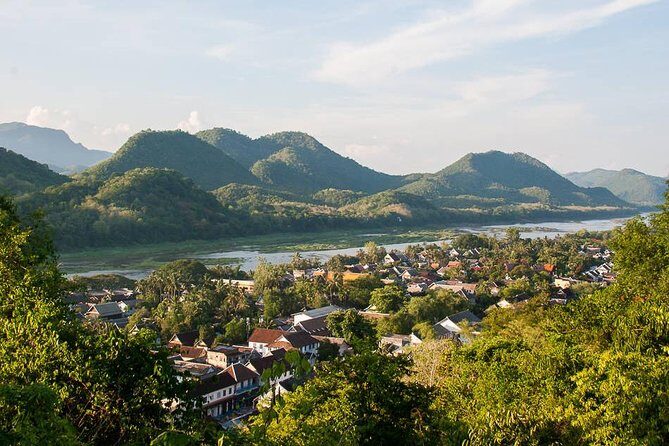
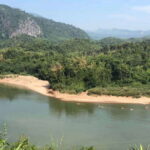
At the tip of the peninsula, you’ll stop at a small park where the Mekong and Nam Khan rivers meet.
This is only a few minutes, but it’s worth it. It’s a quick geographic reset: you’ll see why Luang Prabang’s layout matters, and you’ll understand how the river setting shapes the town’s feel.
If you like simple moments that help the whole trip click into place, this is one.
Wat Xiengthong: The Temple of the Golden City Look
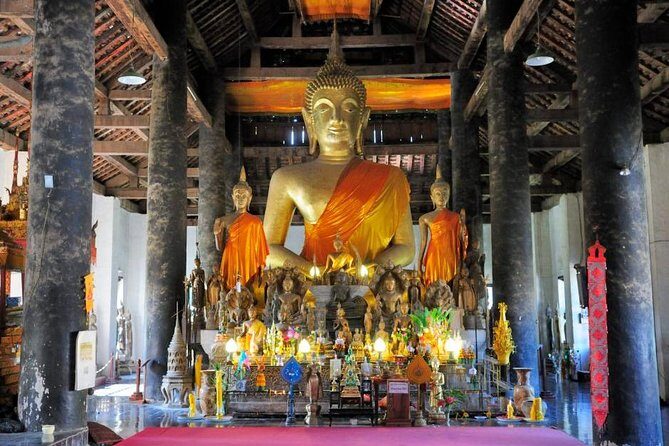
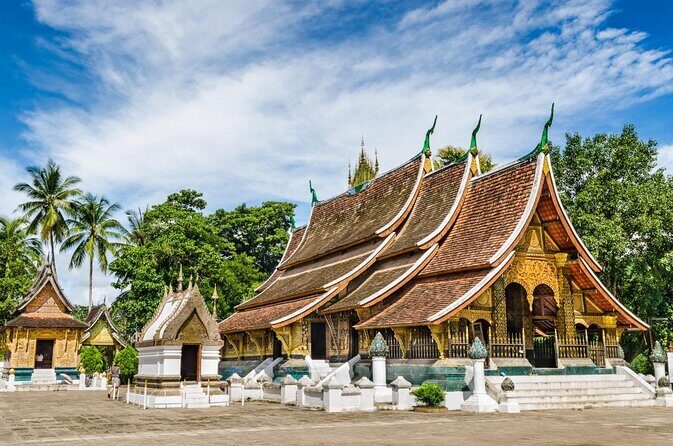
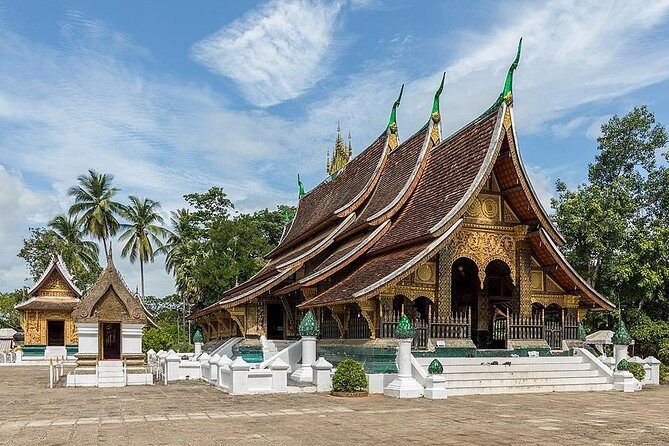
Wat Xiengthong is one of Luang Prabang’s signature temples, historically known as the Golden City Temple. Your visit is about 40 minutes, and it’s positioned near the tip of the peninsula, so you’ll likely feel the quiet of the river edge as you walk in.
Here’s the practical part: temple admissions are not included, so you’ll need to pay for entry on the spot (unless your guide handles tickets in a specific way during your tour).
What makes this temple more than a checklist stop is the role it plays in the town’s visual identity. You’ll see why it’s often the first temple people talk about when they describe Luang Prabang.
Wat Sensoukharam: Hundred-Thousand Stones and a Softer Tempo
Next is Wat Sensoukharam, built in 1718 by King Kitsarath, and tied to the story of 100,000 stones from the Mekong river. It’s a shorter visit—about 20 minutes—and the meaning behind the temple gives you a different way to look at details.
What I like here is contrast. After the larger “big name” temple stop, this one is more about story and atmosphere. The architecture and the temple’s setting feel more intimate than your first temple visit.
The admission here is listed as free, which helps when you’re budgeting for fees later.
Royal Palace Museum: The Colonial-Era Museum You Should Time Carefully
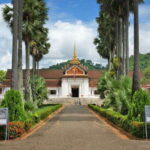
The tour includes the Royal Palace Museum for about 1 hour. It’s tied to the old Royal Palace and was built by French colonialists between 1904 and 1909. Today it functions as a museum with collections that help you connect what you saw outside to the objects and narratives inside.
Two important cautions:
- Temples and museums admissions are not included.
- The museum is closed on the last Thursday of every month, so if your date falls on that day, you’ll either see what’s offered elsewhere or the flow will shift.
If you enjoy context—how the town evolved, and how colonial influence shows up in material culture—this stop adds weight to the day. If you only want outward sights, you might find it less exciting. Still, it’s one of the best chances to understand the big picture.
UXO Lao Visitors Centre: A Sobering Stop That Explains the Present
Next up is the UXO Lao Visitors Centre, with exhibits about unexploded ordinance and the harm Laos continues to deal with from the Second Indochina War.
This stop is about 40 minutes and is listed as free. It’s also closed on Saturday & Sunday, so plan your days around that if you’re traveling on a weekend.
I’m glad this is included because it keeps the trip from becoming a loop of temples and photos only. It gives you the kind of historical context you can’t get from architecture alone, and it helps explain why certain landscapes and community choices in Laos are shaped by safety needs.
If you prefer a lighter pace, this is the one moment that might feel heavy. It’s worth it, though, especially if you want to understand the country beyond the surface.
Wat Wisunarat and Mount Phousi: Finishing With Temples and Panoramic Views
The final temple stop is Wat Wisunarat, described as the oldest Buddhist temple dating to the 16th century, known for its large watermelon-domed stupa. Entrance is listed with a fee of 30,000 kip.
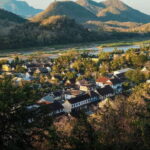
After that, you’ll head to Mount Phousi, about 100 meters high, the highest point in the center of old town between the Mekong and Nam Khan rivers. It’s about a 30-minute visit, and it’s famous for panoramic views.
Here’s the practical reason Mount Phousi is worth including: it gives you a final “big picture” view after spending the day walking through smaller details. You start to see how all the stops connect.
One heads-up: Mount Phousi involves climbing. Even if it’s not long, it can be tiring, so wear grippy shoes and bring water. Your guide should set a pace, especially if your group has limitations.
Transportation and Comfort: Air-Conditioned Car, Real Breaks
One of the smartest parts of this tour is how it uses an air-conditioned car to cover distance between sites while the heat is building. Luang Prabang weather can work fast. The car helps you stay comfortable through transitions, which matters a lot on a 12-hour schedule.
Cold water is mentioned as appreciated in the experience feedback, and even if you’re not relying on that, it’s sensible planning to have fluids. You’ll be walking, taking stairs or slopes at temples, and climbing Mount Phousi.
Price and What You’ll Actually Budget For
The price is $53.21 per person, and for a private tour with pickup and a licensed local guide, it’s strong value—especially if you’re traveling with a small group who can’t share costs like a larger group tour.
But don’t forget the key detail: temple and museum admissions are not included. Some are free, some aren’t:
- Included/Free stops include the alms giving ceremony (listed free), morning market (free), old quarter walking (free), riverview park (free), Wat Sensoukharam (free), and UXO Visitors Centre (free).
- Not included: Wat Xiengthong, Royal Palace Museum, and Wat Wisunarat has a listed entry fee (30,000 kip). Mount Phousi is also listed as not included.
So think of the $53.21 as the guide + transport + most entry-free programming. You’ll add a modest amount for fees at the major temple/museum points.
If you’re someone who hates surprise expenses, plan a buffer for those entries. It’ll feel painless once you get to the sites.
How the Private Guide Changes the Whole Day
This is where a private tour earns its keep. Your guide can adapt timing, help you understand what you’re seeing, and keep the day from becoming rushed.
One of the best signals from the experience is how guides can adjust to people’s pace and needs. There’s also a strong emphasis on respectful behavior at the alms giving ceremony, which is easier with a guide beside you than trying to figure it out alone.
You’ll also get more useful explanations than a simple narration. The day flows from ritual context (alms) to daily life (market) to architecture and museum objects (temples and palace museum) to the sobering reality behind modern Laos (UXO centre).
Names that have shown up with this tour include Boun and Tony, both noted for being attentive and good at keeping things lively while still factual.
Who This Tour Suits Best
I think this tour fits best if you:
- want a first-day or early-trip orientation to Luang Prabang’s key sights
- like learning the meaning behind places, not just collecting stamps
- don’t want to organize transport between several temples, museum stops, and viewpoints
- are okay with an early start and a full day of walking
If you’re looking for a slow, flexible day with long hangs in cafés, this may feel too packed. But if you want efficiency without feeling rushed, it’s built for you.
Should You Book It?
Book this private Luang Prabang City Tour if you want a structured route through the UNESCO core, and you value context as much as views. The early alms giving start and the combination of top temples plus the UXO centre make it more than a standard hits-and-photos loop.
Skip it (or choose a different format) if you can’t handle early mornings, or if you strongly prefer days without museum or history-focused stops. Also keep dates in mind: the Royal Palace Museum can be closed on the last Thursday, and UXO Lao Visitors Centre is closed Sat–Sun.
If you’re trying to make the most of one day in Luang Prabang, this is one of the cleanest ways to do it.
FAQ
What is the duration of the Private Luang Prabang City Tour?
The tour runs for about 12 hours.
What time is pickup for the morning alms giving ceremony?
Pickup is around 5:15 am in March–October and around 5:45 am in November–February.
Is hotel pickup included?
Yes. Pickup is offered from your accommodation or the city center.
Is this tour private or shared?
It’s private. Only your group participates.
Are admissions to temples and museums included in the price?
No. Admission to temples and museums is not included. Some stops are free, but key sites like Wat Xiengthong and the Royal Palace Museum require separate entry fees.
Is the Royal Palace Museum always open?
No. The Royal Palace Museum is closed on the last Thursday of every month.
Is the UXO Lao Visitors Centre included, and when is it closed?
Yes, it’s included. The UXO Lao Visitors Centre is closed on Saturday and Sunday.
Is lunch included?
Lunch is not included. The tour can send you to the restaurant of your choice, and advance reservations may be possible for larger groups.
What happens if weather is poor?
The experience requires good weather. If it’s canceled due to poor weather, you’ll be offered a different date or a full refund.
Can I get a refund if I cancel or change the booking?
No. It’s non-refundable and cannot be changed for any reason.