REVIEW · VIENTIANE
Vientiane Private Lao Cooking Class with Market Tour
Book on GetYourGuide →Operated by Best Lao Travel Sole Co., Ltd · Bookable on GetYourGuide
Cook, shop, and smell your way through Laos. This Vientiane private Lao cooking class sends you to the Madam Phasouk cooking house, where you learn traditional dishes with a chef and then eat your own creations. I like that it mixes hands-on cooking with a local market tour, so the food lesson isn’t just theory.
My second favorite part is the emphasis on ingredients and heritage—expect Lao herbs and plants explained, plus a look at traditional equipment tied to the Red tribe (Son Phao Thai Daeng). One consideration: keep an eye on the market time and make sure ingredient explanations happen, not just lots of photo stops, and also watch that staples like sticky rice are served hot and soft when you sit down.
In This Review
- Key things I’d look forward to
- Why Madam Phasouk’s Class Works So Well in Vientiane
- The Pickup Loop and How the 6 Hours Typically Feel
- Market Tour in Vientiane: Buying Ingredients Like a Cook
- The Madam Phasouk Cooking House: Herbs, Plants, and Ancestors’ Tools
- Chef-Led Cooking: Step-by-Step Techniques You Can Copy
- The Sticky Rice Moment: Texture Matters More Than You Think
- What’s Included (and What You Should Budget For)
- Practical Details: What to Bring and How to Stay Comfortable
- Who This Class Suits Best (And Who Should Skip It)
- Price and Value: Getting Your Money’s Worth in 6 Hours
- Should You Book This Vientiane Cooking Class?
- FAQ
- How long is the Vientiane private Lao cooking class?
- How much does the experience cost?
- How big is the group?
- Is pickup included?
- What language is the tour guide?
- What’s included in the price?
- What should I bring?
- Is the class suitable for wheelchair users and children?
Key things I’d look forward to
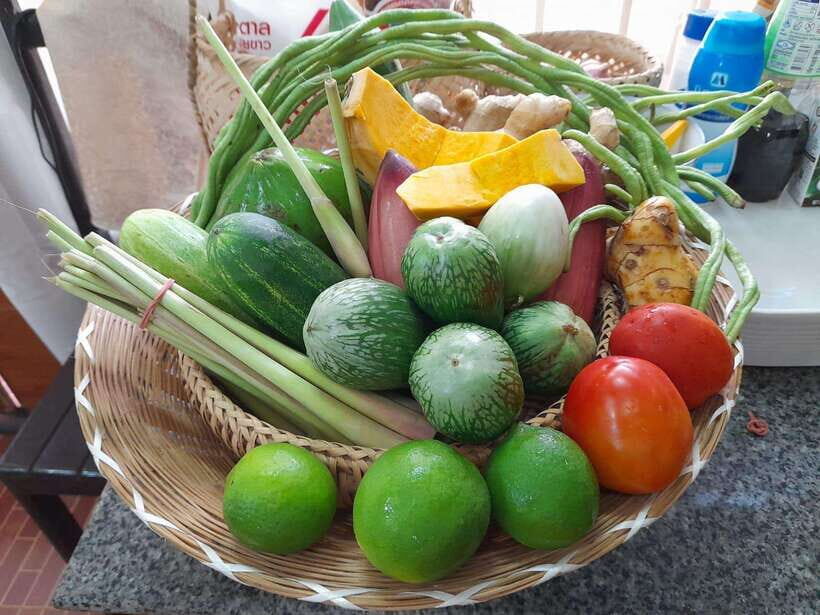
- Small group limited to 4: more time for your questions and hands-on guidance.
- Market tour for fresh Lao ingredients: you learn what to buy and why, not just what to cook.
- Lao herbs, plants, and old equipment: the class connects flavors to the way people cook.
- Red tribe (Son Phao Thai Daeng) cultural insight: food and identity get explained together.
- Chef-led step-by-step cooking: beginner-friendly, with techniques tied to traditional meals.
- You eat your work: tasting your dishes with authentic Lao beverages at the end.
Why Madam Phasouk’s Class Works So Well in Vientiane
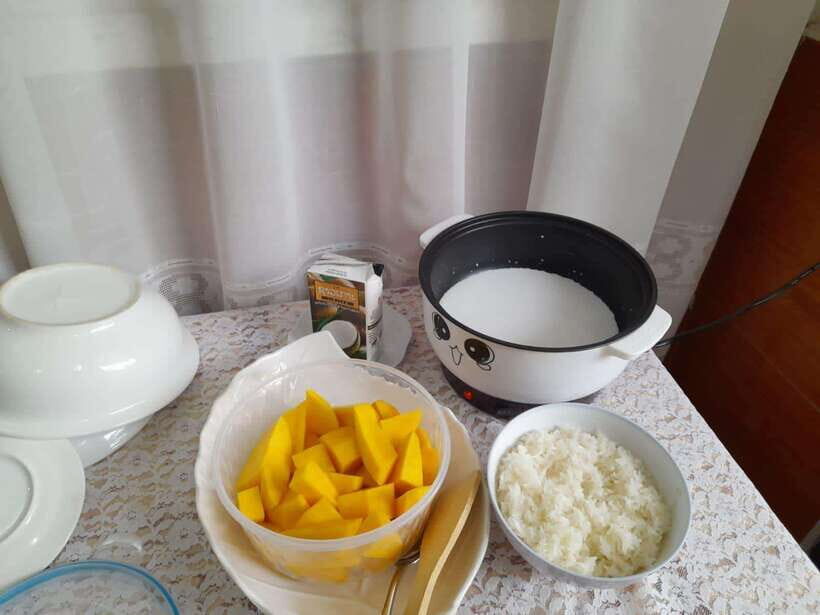
If you want a Laos food experience that feels practical, this is the kind of class that makes sense. The goal isn’t just to watch someone else cook while you take photos. You’re in the kitchen, touching ingredients, learning the “why” behind the flavors, and finishing with a meal you helped create.
The location matters too. Madam Phasouk’s cooking house is designed for learning—think garden setting, calm pace, and a teaching environment where a chef can slow down and explain what a certain herb does, how a paste should taste, or how a step affects the final dish. With only up to four people, the class can stay personal instead of turning into a fast conveyor belt.
One more thing I appreciate: you’re not just taught recipes. You’re taught the ingredient logic of Lao cooking—how herbs and plants work together, what to look for in local produce, and how traditional tools shaped the food people made at home. That’s the stuff you can actually use later.
You can also read our reviews of more private tours in Vientiane

The Pickup Loop and How the 6 Hours Typically Feel
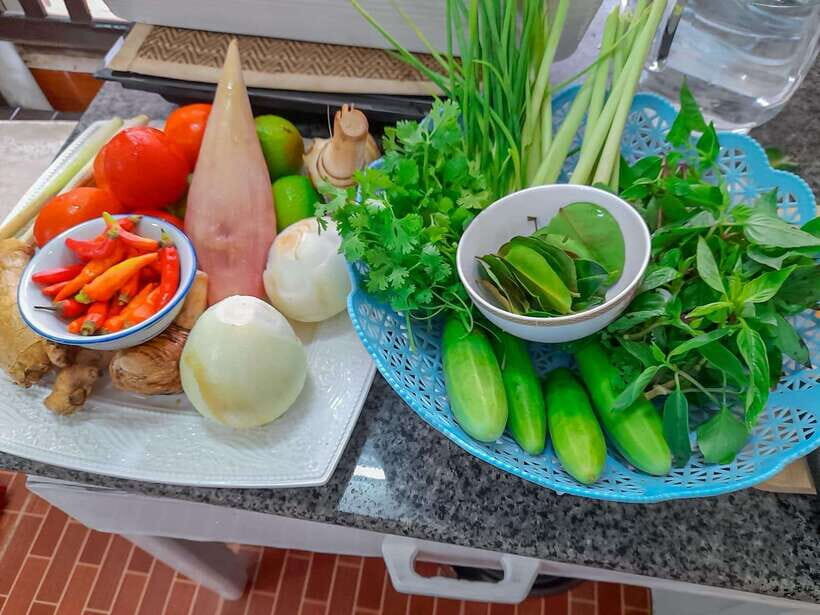
Plan for a 6-hour experience, and expect the day to be split between driving and hands-on time. The class includes pickup, but it’s tied to your hotel location. If you’re starting from the COSI Vientiane Nam Phu area, that becomes one of the pickup options, and the van part is straightforward: about an hour to get to the cooking spot, then about another hour back after.
Here’s what that means for you:
- You’ll likely spend the longest chunk of your energy on the actual cooking and market portion.
- You’ll want to arrive on time for the meeting point so the whole schedule stays on track.
- Bring sunscreen and water. Even if the cooking house feels shaded, the market stop is outdoor time, and Vientiane sun doesn’t play games.
This kind of setup is ideal if you want a guided experience but don’t want to coordinate transit yourself.
Market Tour in Vientiane: Buying Ingredients Like a Cook
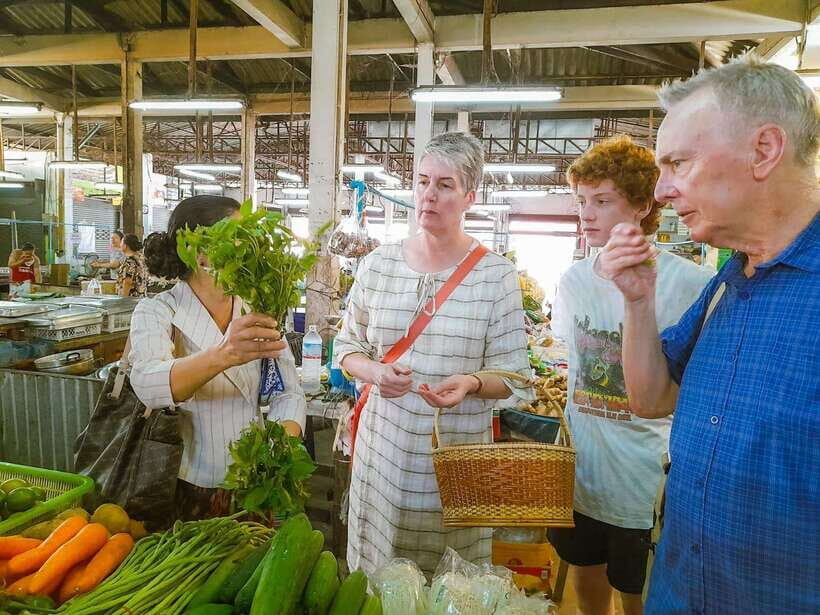
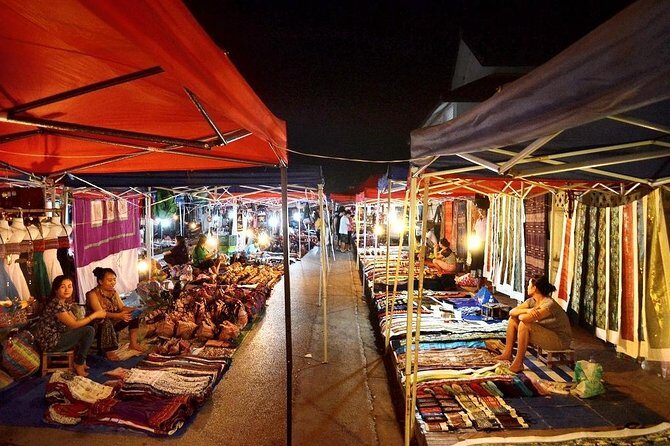
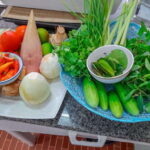
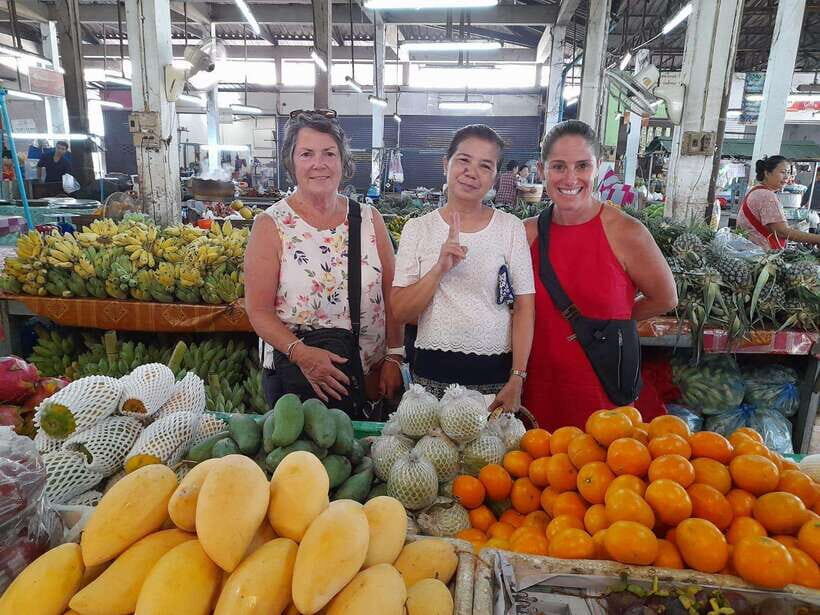
The market portion is where the class turns from “fun activity” into “skill.” You’ll walk through local stalls to pick ingredients for your cooking session, guided in English. This isn’t just about grabbing whatever looks good. You’re learning what Lao cooking relies on and how fresh produce changes the taste.
Look for three things during the market:
- Herbs and plants: Lao flavor often comes from aromatic greens and herbal components. When you understand what you’re buying, you can replicate the flavor later.
- Produce quality: freshness affects bitterness, brightness, and texture. The market visit helps you learn what good looks like.
- Practical choices: you should be able to connect the ingredients you buy to the steps you’ll do in the kitchen.
Small note based on real-world feedback: one person wished the market guide spent more time explaining produce and less time focused on phone photos. You can prevent that by staying engaged. Ask simple questions like what herb is being used and what it tastes like in the final dish. If there’s a pause that isn’t teaching, nudge the conversation back to ingredients.
The Madam Phasouk Cooking House: Herbs, Plants, and Ancestors’ Tools
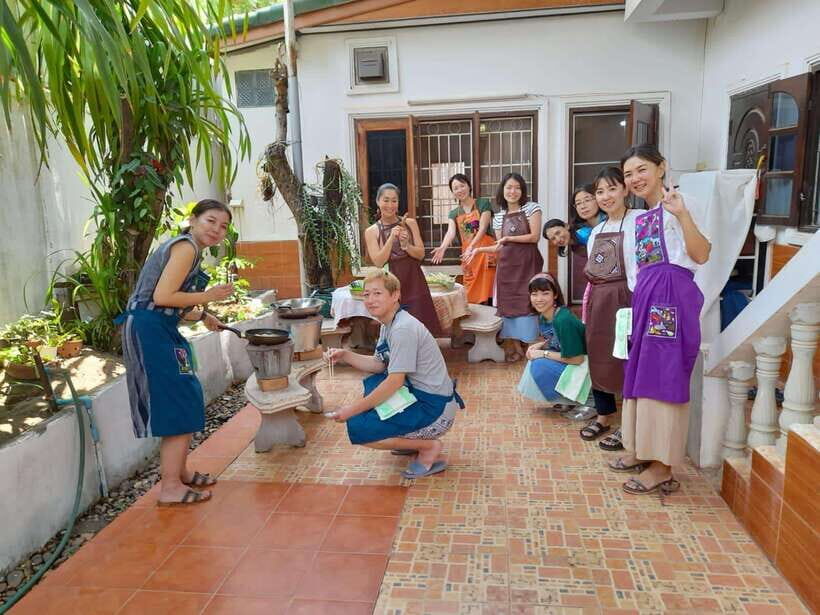
After the market, you head to the cooking house for the heart of the experience. This is where the class separates itself from generic cooking demos.
You’ll get an introduction to:
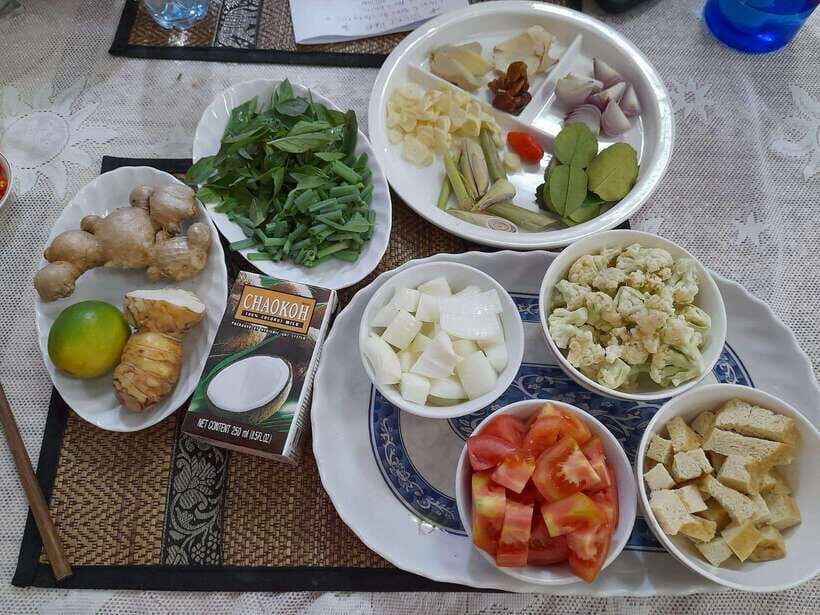
- Lao herbs and plants (what they are, how they’re used, and how they influence the meal)
- Traditional Lao equipment, including older tools that connect today’s cooking to how ancestors prepared food
That equipment part is surprisingly meaningful. When you see tools that older generations used—rather than modern shortcuts—you start to understand why some textures and flavors come out the way they do. Even if you never cook with the same equipment again, the lesson about technique and process sticks.
There’s also cultural context. Included in the experience is insight into the Red tribe (Son Phao Thai Daeng) culture. It’s not presented as a lecture. It’s tied to the cooking—where certain ingredients and methods come from, and how people historically built meals around what they had.
If you like learning through food, this is a win. If you want a strict checklist of dishes only, you might find the cultural and ingredient explanations are part of the value, not a side quest.
Chef-Led Cooking: Step-by-Step Techniques You Can Copy
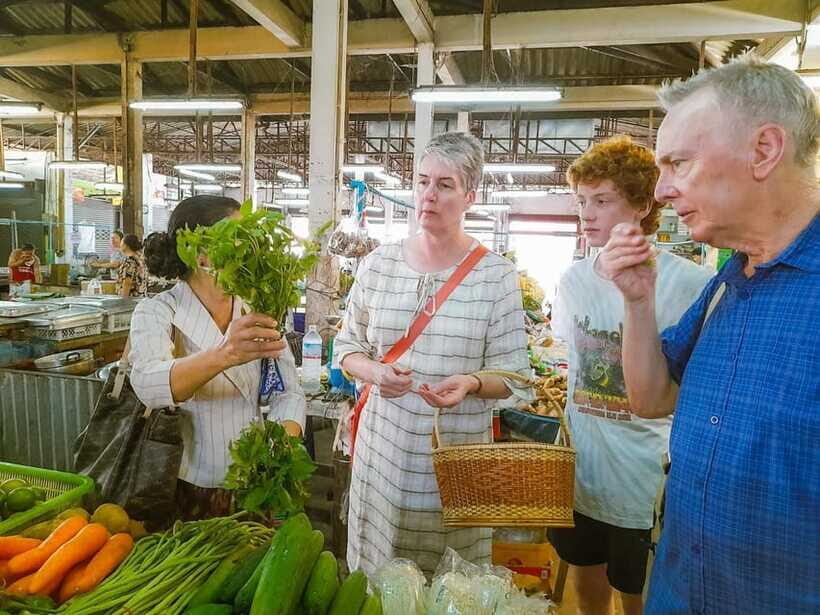
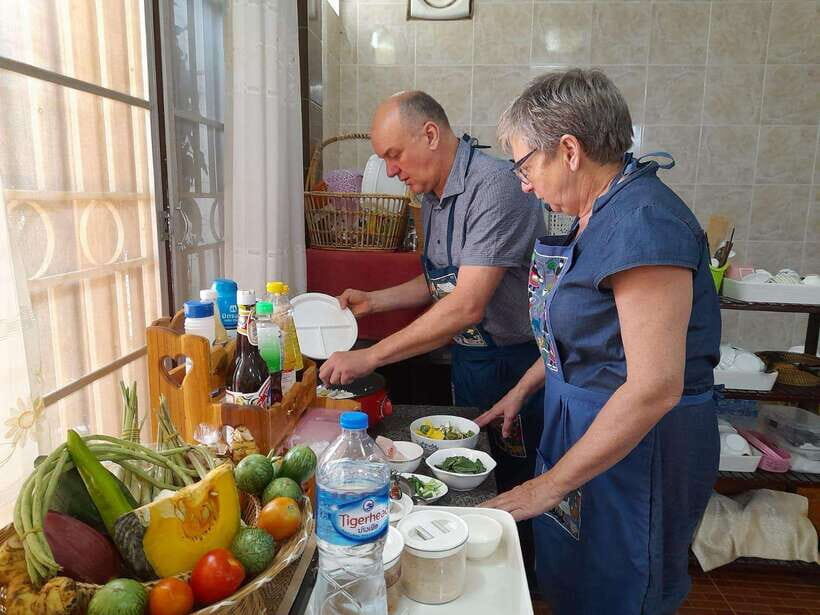
In the kitchen, you’ll cook traditional Lao dishes with a chef guide in English. The teaching style is designed for different skill levels, so you don’t need to be an expert home cook to participate.
What “step-by-step” should mean here:
- You’re shown the technique first, then guided as you do it.
- You’ll get explanations of how flavors build, not just instructions to follow blindly.
- The chef connects the dishes to cultural significance, so it feels like understanding a cuisine rather than copying a menu.
Because the group is small, you also get more real attention. That matters when you hit the parts that are easy to mess up—things like balancing sour, salty, and herbal notes, or getting the texture right in a paste or sauce.
Also, come hungry. The end of the class includes a meal tasting of what you cook, paired with authentic Lao beverages. You’ll likely appreciate the experience more if your brain is in learning mode rather than “I’m waiting to eat.”

The Sticky Rice Moment: Texture Matters More Than You Think
Lao meals often hinge on sticky rice, and this class includes serving it with the meal you prepare. Sticky rice is one of those foods where timing is everything. It should be warm, soft, and cohesive—not cool with hard bits.
Here’s how to handle it in your own experience:
- When sticky rice is served, check texture right away.
- If it comes out cold or uneven, ask for a fresh steaming portion if the kitchen can accommodate it.
- Pair it immediately with your dishes so the whole plate lands at the right temperature.
I’m sharing this because the quality of sticky rice is easy to overlook until it’s off. When it’s right, it makes the flavors feel balanced and complete. When it’s off, even a great dish can feel like something’s missing.
What’s Included (and What You Should Budget For)
At $70 per person for about 6 hours, the value depends on how you like to travel. This isn’t a quick “cook one dish and go” workshop. You’re paying for a full guided experience: pickup, a market visit, chef instruction, and the ingredients.
Included in the cost:
- English-speaking guide
- Market visit
- Cooking class with a chef
- Ingredients for the cooking class
- Introduction to Lao herbs and plants
- Traditional equipment overview
- Cultural insight into the Red tribe (Son Phao Thai Daeng)
- Food tasting and Lao beverages at the end
- Pickup and drop-off (hotel-based)
Not included:
- Hotel pickup/drop-off is included as part of pickup service, but meals not specifically mentioned in the itinerary are not included.
- Personal expenses
If you price this against paying for a guided market experience plus a separate cooking class, it’s a reasonable bundle—especially in a small group where you get more direct teaching time.
Practical Details: What to Bring and How to Stay Comfortable
This is outdoors-adjacent. Don’t show up in clothes that hate sun.
Bring:
- Hat
- Sunscreen
- Water
- Comfortable clothes
- Camera (there’s a garden setting you’ll want to capture)
Also remember the rules:
- No smoking
- No alcohol or drugs
- Avoid touching plants
Comfort tips that help:
- Wear breathable fabric.
- Expect some walking at the market.
- Bring a little extra water than you think you need. A market stop plus time in the sun can dehydrate you faster than cooking does.
Who This Class Suits Best (And Who Should Skip It)
This small-group experience is set up for active participation. It’s especially suited for:
- Food lovers who want real ingredient knowledge, not just recipe copying
- Beginners who learn better with step-by-step guidance
- Travelers who like culture explained through what people actually cook and eat
It’s not suitable for:
- Children under 12
- Wheelchair users
- People with food allergies
If you have allergies, this one is tricky because the data here doesn’t promise allergy-friendly customization. For many allergy situations, you’d want a provider to confirm safe substitutions, but that isn’t stated. Better to choose a class that explicitly supports your needs.
Price and Value: Getting Your Money’s Worth in 6 Hours
Let’s talk about the $70 price with a straight face. You’re paying for:
- A guided market visit
- A chef-led class
- Ingredients
- Cultural instruction (herbs, plants, traditional equipment, Red tribe context)
- A full meal tasting with Lao beverages
- Small-group attention (max 4)
- Pickup and drop-off
If you enjoy learning, this is the kind of activity that pays you back later when you’re eating Lao food again—or trying to cook it at home. The value isn’t just the dishes. It’s the ingredient understanding and technique practice that makes you better at recognizing Lao flavors.
If you only want a tasting menu, you might find this is more work than you expected. But if you like hands-on travel, $70 for a structured 6-hour food lesson in a small group is fair.
Should You Book This Vientiane Cooking Class?
Book it if you want a hands-on Lao cooking experience with market ingredient sourcing and cultural context. The small group size and chef guidance are the main reasons this works, especially if you ask questions while you’re cooking.
Skip or rethink it if:
- You need allergy accommodations (not specified)
- You’re traveling with a child under 12
- Accessibility is a concern
- You’re mainly interested in watching rather than participating
My final advice: show up prepared for sun and walking, stay engaged during the market so you get explanations about ingredients, and treat sticky rice as a “quality check” moment. When the rice lands warm and right, the whole meal clicks.
FAQ
How long is the Vientiane private Lao cooking class?
It lasts 6 hours.
How much does the experience cost?
The price is $70 per person.
How big is the group?
It is a small group limited to 4 participants.
Is pickup included?
Yes. Pickup and drop-off are included, and you’ll need to provide your hotel name and location for the driver.
What language is the tour guide?
The class includes an English-speaking guide.
What’s included in the price?
You get a local market visit, a cooking class with a chef, ingredients, an introduction to Lao herbs and plants, traditional equipment context, cultural insight into the Red tribe (Son Phao Thai Daeng), plus food tasting and authentic Lao beverages.
What should I bring?
Bring a hat, camera, sunscreen, water, and comfortable clothes.
Is the class suitable for wheelchair users and children?
No. It is not suitable for children under 12 and wheelchair users. People with food allergies are also not suitable.