REVIEW · LUANG PRABANG
3 Days The Plain of Jars and Xieng Khouan (Depart from Luang Prabang)
Book on Viator →Operated by Manifa travel · Bookable on Viator
Jars and war history on one road trip. This 3-day guided run from Luang Prabang takes you into Xieng Khouang province to see the famous Plain of Jars, plus Muang Khoun, UXO education, and everyday village life along the way. You’re also building in a softer counterpoint with morning market energy and a fair-trade organic silk stop.
I like the mix of big-name sites and human-scale moments. The MAG UXO Visitor Information Centre gives you context for what you’re seeing, and the small stops—like hill-tribe villages along the road and the silk weaving process—make the day feel real, not staged. I also appreciate the way the day is paced with a guide who can keep things moving; guides named Vone and Tin show up in local feedback for clear explanations and steady timing.
One drawback to plan for: this is not a relaxed trip. It starts early and involves a long overland drive out to Phonsavan (260 km), and the UXO/war legacy content can be heavy, even when it’s handled with respect. Also, meals aren’t included, so you’ll want to factor that into your budget and energy.
In This Review
- Key highlights I’d plan around
- Leaving Luang Prabang for Phonsavan: the long road matters
- Phou Khoun and Tham Phra: early cultural stops that set the tone
- The Plain of Jars day: Site tours with war context
- Wat Phiawat and Muang Khoun: royal remains, colonial chapters
- MAG UXO Visitor Information Centre: where the story clicks
- Day 3: morning market and Mulberries Organic Silk Farm
- Price and value: what $540 per person really buys
- Best-fit travelers (and who should think twice)
- Should you book this Plain of Jars and Xieng Khouan tour?
- FAQ
- How long is the tour?
- Where does the tour start, and what time does it begin?
- Is pickup from Luang Prabang included?
- What sites are included during the Plain of Jars portion?
- Do you visit Hmong villages?
- Are entrance fees included?
- Are meals included?
- Is accommodation included?
- Is this a private tour?
- When will I get confirmation after booking?
Key highlights I’d plan around
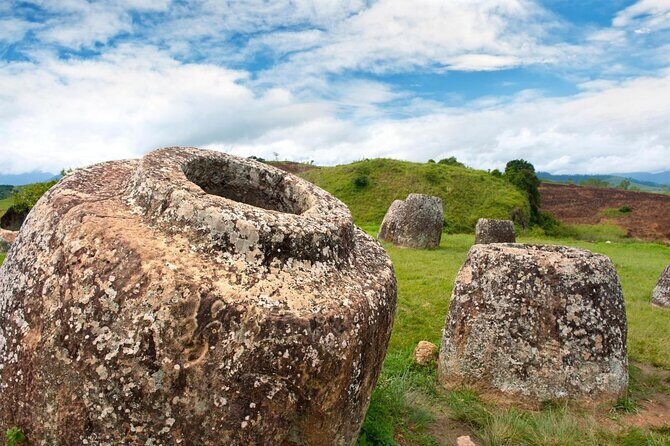
- Plain of Jars touring in a guided, structured way, not just a quick photo stop
- Tham Phra Buddha Cave and older religious sites that add depth before you reach Phonsavan
- Jar Site 2 (Hai Hin Hoo Sarat), plus nearby village craft connections
- MAG UXO Visitor Information Centre for straight historical context
- Muang Khoun + Wat Phiawat for a royal/political story alongside the war story
- Mulberries Organic Silk Farm where you watch cocoons to scarves step by step
Leaving Luang Prabang for Phonsavan: the long road matters
You start from Manifa Travel Luang Prabang Office (SAKKALINE RD area near Villa Santi Hotel), with a start time of 8:00 am. Expect a day that begins fast. The route is long—about 260 km to Phonsavan—so your guide and vehicle setup matters, and this tour includes an air-conditioned vehicle plus all fees and taxes for the sightseeing listed.
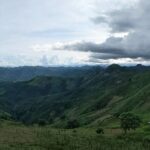
This long ride is also part of the value. Along the way, you’ll stop to see varied Hmong and other hill-tribe minority villages. These aren’t “look-but-don’t-talk” stops. You’re there to observe and learn in a respectful, casual way—friendly welcomes are part of the point—so the countryside starts to feel personal before you hit the major sites.
A practical note: with a program like this, comfort wins. Bring layers for early hours and plan for bumps and heat you might feel on the road. If you’re prone to getting stiff on long rides, a little stretching before and during breaks will make days 1 and 2 feel easier.
A few more Luang Prabang tours and experiences worth a look
Phou Khoun and Tham Phra: early cultural stops that set the tone
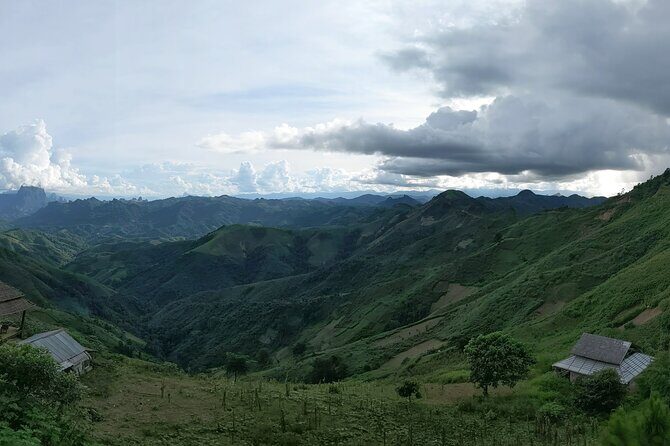
Day 1 is built like a warm-up before the heavy history later. After leaving Luang Prabang, your first stop is Phou Khoun. The program keeps it light here—about 1 hour—so you’re not exhausted before you move on. This is the kind of stop that helps your guide orient you: what the region is like, how people live, and how the religious landscape fits into daily life.
Next comes Tham Phra (Buddha Cave) in the area of Nong Tang, with an old site of more than 200 years old Buddha images. The caves also served as hospitals and shelters during the Indo- period mentioned in the program description. Even if you don’t love cave spaces, this stop is important because it connects faith, survival, and conflict in one place.
What you’ll likely enjoy most here is how the cave story doesn’t feel like a separate exhibit. It becomes a quiet preface to the Plain of Jars, where war legacies are unavoidable.
If you’re the kind of person who likes to understand before you take photos, this sequence is a good match. Just be ready for a more reflective mood once you start seeing how communities coped during wartime.
The Plain of Jars day: Site tours with war context
Day 2 is the star of the show. You’ll spend a full day touring the Plain of Jars and Xieng Khouang, then head deeper into the region’s Second Indochina War traces and jar legends. This is the kind of day that works best when your guide keeps the story organized—so you know what you’re looking at, and why it matters.
You’ll start with the main Plain of Jars exploration, then move to Jar Site 2 (Hai Hin Hoo Sarat), about 20 km southwest of the city. The distance matters because it makes the touring feel like a real circuit. You’re not just shuffling around the same few viewpoints; you’re seeing how the jar landscape spreads across the province.
Between jar sites, the tour connects history to daily life. One of the most memorable parts is the stop at Ban Na Pia, where villagers reuse UXO scrap from unexploded bombs to make spoons sold as souvenirs. Even if you don’t buy anything, this stop adds a powerful layer: the war didn’t stop after the fighting ended. People still work with the materials and risks left behind.
A respectful way to approach that shop stop: treat it like education, not impulse shopping. Ask your guide what’s appropriate. If buying a small item helps support local livelihoods, you can do it thoughtfully. If you’d rather not handle UXO-linked products, you can still learn and move on.
Wat Phiawat and Muang Khoun: royal remains, colonial chapters
In the afternoon, the tour shifts to Muang Khoun, the ancient capital tied to the Phuan Kingdom and to the 14th-century royal palace story. This matters because it keeps the trip from becoming only about war. Wat Phiawat sits within a broader political timeline, where power, religion, and administration overlapped.
The program notes that Muang Khoun was also the French colonial provincial city until recently. That detail gives you a clue about how layers of influence built up here. You may find the architecture and site layout feel like a mix of eras. Even if you don’t obsess over dates, the setting helps you understand why jar legends and war history sit inside a living region rather than a museum bubble.
This stop is also one of those “you can feel the scale” moments. Don’t rush it. Take time to look at how people interact with the site and what parts remain practical parts of village life versus formal ruins.
MAG UXO Visitor Information Centre: where the story clicks
After returning toward Phonsavan around 4 pm, you visit the MAG UXO Visitor Information Centre, plus the Official Tourist Information Centre. This is the part of the tour I think makes the rest make more sense.
The Plain of Jars is visually striking. But without context, it can feel like a legend you can’t connect to real events. The UXO centre helps you understand why the region still deals with leftover danger and why jar sites and wartime impacts are linked in local memory.
I recommend using this time as your “story anchor.” Ask your guide to connect the dots:
- What the UXO legacy means in daily life
- Why certain histories are still discussed openly
- How local efforts try to reduce risk
If you’re traveling with kids or someone who gets uncomfortable with war topics, your guide can help keep it balanced and factual. You’ll still feel the seriousness, but it won’t feel chaotic.

Day 3: morning market and Mulberries Organic Silk Farm
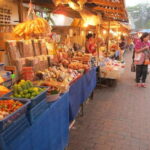
Day 3 opens with a short visit to the morning market and fair-trade Mulberries Organic Silk Farm. This is a smart counterweight to two days of caves, jars, and war history.
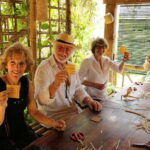
At the silk farm, you’ll observe the silk-weaving process from cocoons to colorful scarves. Even though it’s a one-hour-style stop, it’s hands-on in its own way: you’re watching a sequence, not just looking at finished products.
What I like about this kind of stop is that it shifts you from “tour mode” to “work mode.” You see how materials become something wearable, and you can understand why fair-trade matters to local livelihoods. If you’ve ever wondered how silk is made beyond the final fabric, this is the simple, visual way to get it.
It’s also a calmer way to end a trip that can feel emotionally intense. You’ll leave with something tangible: a clearer sense of everyday skills in Xieng Khouang province, not just headlines.
Price and value: what $540 per person really buys
At $540 per person for about 3 days, this tour isn’t aiming to be the cheapest way out of Luang Prabang. It’s priced for guided time, transport, and included fees.
Here’s where the value comes from:
- You get an air-conditioned vehicle for the long drive and multi-stop schedule
- All fees and taxes for the listed sightseeing are included
- The itinerary covers several major sites plus smaller village and craft moments
- It’s a private tour/activity with only your group, which usually means less waiting around and more flexibility with pacing
What’s not included is also clear. Accommodation and meals aren’t included, though accommodation is available upon request. That means your real trip cost depends on where you stay and how you handle meals along the way. For many people, that’s fine because you can pick a hotel that matches your comfort level and budget.
If you’re traveling as a couple or small group, a private structure can feel like better value than a crowded group tour. If you’re solo, it still can be worthwhile if you care about the guide explanations and don’t want to feel rushed.
Best-fit travelers (and who should think twice)
This tour fits best if you want a real mix of sites: famous jars, older cave art, the UXO legacy, and human-scale village life. It’s also a good match if you like having a guide connect history to what you see, especially on days 1 and 2 when topics overlap.
You might think twice if:
- You want a purely scenic, low-intensity itinerary
- You get worn down by long overland travel and early starts
- The UXO and war legacy content would be emotionally difficult for you right now
If you do book, you’ll get a thoughtful contrast: jar legends and survival history in the middle, then silk weaving and fair-trade craft to close things out.
Should you book this Plain of Jars and Xieng Khouan tour?
I’d book it if you’re the kind of traveler who likes understanding place, not just collecting stamps. The Plain of Jars is the obvious draw, but the tour’s real strength is that it doesn’t stop there—it pairs the visuals with war context at the MAG UXO centre and keeps the day grounded with village and market life. That combination is what makes the trip feel worth the time.
Skip it if you want rest days, short drives, or a mostly relaxed pace. This route is designed to move, and it’s designed to explain.
If you can handle a mix of awe and seriousness, you’ll likely come away with a deeper, clearer sense of Xieng Khouan.
FAQ
How long is the tour?
It’s a 3-day guided tour (duration is listed as approximately 3 days).
Where does the tour start, and what time does it begin?
The meeting point is the Manifa Travel Luang Prabang Office. The listed start time is 8:00 am.
Is pickup from Luang Prabang included?
The tour offers pickup, and the meeting point is listed at the Manifa Travel Luang Prabang Office.
What sites are included during the Plain of Jars portion?
The tour includes the Plain of Jars, Jar Site 2 (Hai Hin Hoo Sarat), and a stop at Wat Phiawat in Muang Khoun, plus the MAG UXO Visitor Information Centre and the official tourist information centre.
Do you visit Hmong villages?
Yes. Along the road to Phonsavan, you stop to see varied Hmong and other hill tribe minority villages.
Are entrance fees included?
The program lists sightseeing stops with admission ticket free, and the package includes all fees and taxes for the described sightseeing.
Are meals included?
No. Meals are not included.
Is accommodation included?
No, accommodation is not included, but it is available upon request.
Is this a private tour?
Yes. It’s described as a private tour/activity with only your group participating.
When will I get confirmation after booking?
Confirmation is listed as received within 48 hours of booking, subject to availability.