REVIEW · LUANG PRABANG
Luang Prabang: Hmong Batik Art Workshop
Book on GetYourGuide →Operated by Moon Love Batik, Luang Prabang · Bookable on GetYourGuide
Your hands make history in blue. In this Luang Prabang workshop, you learn Hmong batik from a master artist, draw with beeswax on hemp, then dye with natural indigo for a finished piece you keep as a real souvenir.
I especially like the hands-on pace and clear instruction, with teachers such as Mi and Mee guiding you patiently even if your drawing skills are shaky. I also like that you don’t just copy a pattern—you understand Hmong symbolism while you work, so the final blue design feels personal.
One consideration: your batik is dyed after your drawing, so you’ll typically pick up the finished piece the next day, which means you should plan your schedule accordingly (and it’s not suitable for kids under 6).
In This Review
- Key highlights you’ll care about
- Batik in Luang Prabang: what you’re really making
- Timing and pacing: 1 to 4 hours, plus the next-day reveal
- Beeswax drawing session: tools, symbols, and easy-to-follow technique
- Indigo dyeing: how your lines turn into deep blue
- What makes this workshop feel authentic (not just a souvenir factory)
- Where to go: finding Moon Love Batik near Wat Sibounheuang
- Price and value: why $22 can actually make sense here
- What you’ll do with your finished batik
- Who should book this (and who might want a different activity)
- Tips to make your workshop smoother
- Should you book Moon Love Batik in Luang Prabang?
- FAQ
- How long is the Luang Prabang Hmong batik art workshop?
- How much does it cost?
- Where is the meeting point?
- When can I pick up my finished batik?
- Is the workshop taught in English?
- Is it suitable for young children and people with mobility needs?
Key highlights you’ll care about
- Master-led instruction from an experienced Hmong batik artist, with English guidance
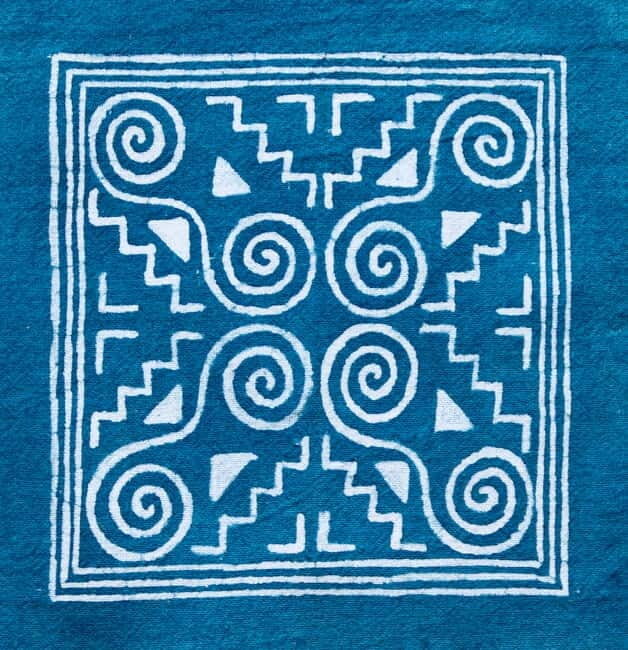
- Symbols and motifs so your batik isn’t just decorative lines
- Traditional tools + beeswax resist for the look that makes batik batik
- Natural indigo dyeing that deepens your colors, then the wax is removed
- A take-home textile souvenir you can use in a sewing project or hang up
Batik in Luang Prabang: what you’re really making
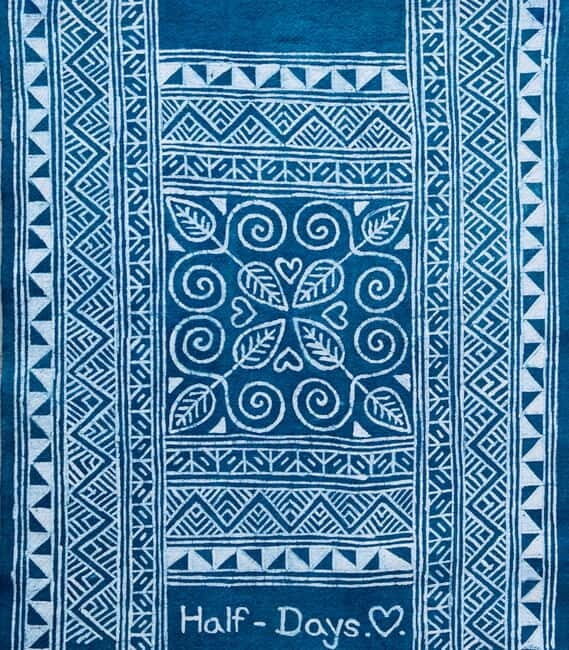
Hmong batik isn’t mass-produced décor. It’s a process where you draw first, then the dye reacts to your choices—waxed areas resist the indigo, and the lines you made show up in the final pattern.
The workshop focuses on the batik art used by the Hmong Hill Tribe people of Laos. That matters because you’re learning the logic of the designs, not just tracing lines for a quick craft.
You’ll work on high-quality hand-loomed Hmong hemp fabric, and you’ll use traditional-style materials for the resist-drawing part. The goal is a finished piece that feels like a craft you understand—blue-on-fabric art you can keep, reuse, or display.
A few more Luang Prabang tours and experiences worth a look

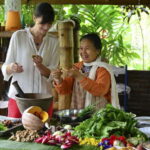
Timing and pacing: 1 to 4 hours, plus the next-day reveal
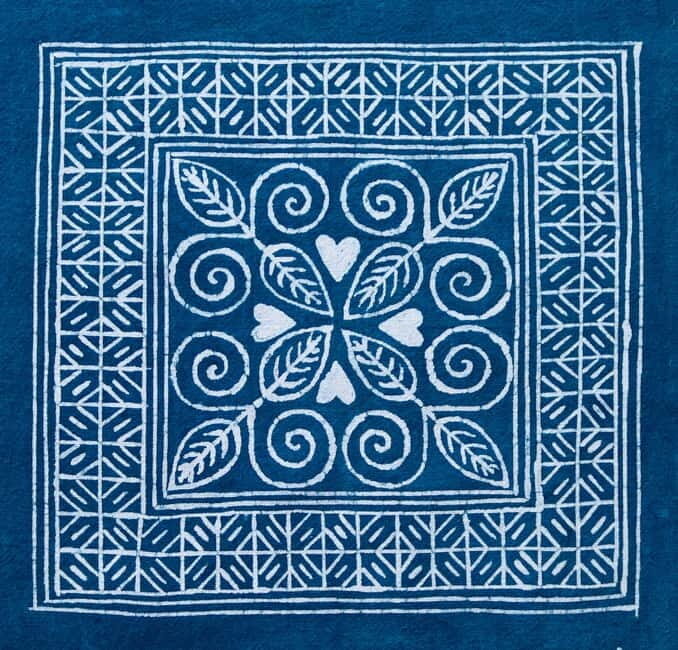
This is offered as a 1 to 4 hour activity, with different session lengths so you can match it to your trip schedule. If you’re short on time, the shorter options still end with a completed batik you’ll collect later.
Here’s the rhythm you should expect: you start by drawing your design with beeswax, then you do the indigo dye steps. The master artist continues the dyeing process to get the deeper blue color before the wax is boiled away to reveal your pattern.
Most of the process happens during the workshop window, but you get the “ta-da” moment when your piece is ready. You can pick it up the next day after dyeing, so treat this as a planned art project, not something you finish instantly and walk away with.
Beeswax drawing session: tools, symbols, and easy-to-follow technique
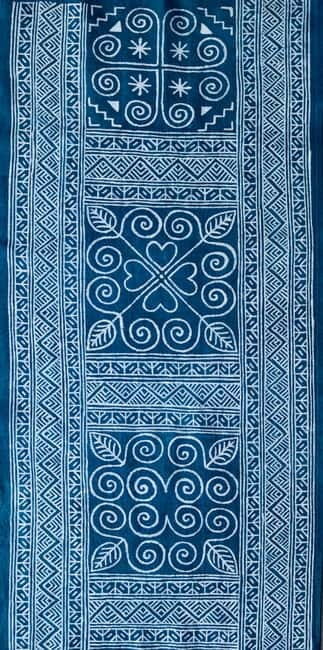
The first part is the part many people worry about: drawing. But the workshop is set up so you don’t need to be an artist.
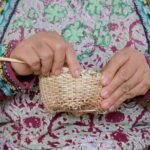
You’ll draw using beeswax on the hand-loomed hemp fabric. The wax acts as a resist, meaning the indigo dye won’t soak into the waxed areas. So your job is to make clean wax lines and follow the design you choose or adapt.
A big strength here is the way instruction is structured. Your teacher guides you step-by-step with traditional tools, and you can make small adjustments to create something that feels unique instead of totally identical to everyone else’s piece.
You’ll also learn about Hmong symbols—their meanings and why certain patterns show up in traditional batik. That’s what turns the activity from a basic craft class into something culturally grounded. You’ll be able to explain your piece later, which is a nice perk when you’re packing souvenirs or showing it to friends.
The atmosphere tends to be calm and focused. People describe it as relaxing and almost meditative, which makes sense: once you’re drawing lines, there’s a quiet concentration to it.
Indigo dyeing: how your lines turn into deep blue
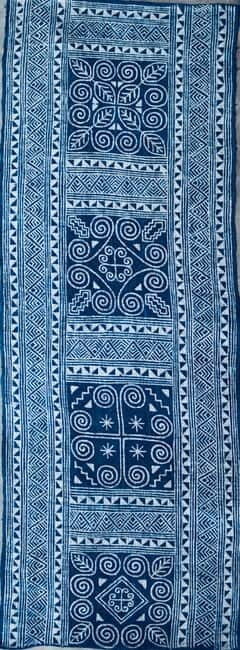
After your beeswax drawing is complete, the process shifts from drawing to dye. You’ll experience the natural indigo dye process during the workshop, and then the master artist continues the steps needed for a deeper blue tone.
Indigo is one of those materials where the results depend on time and technique, not just dunking fabric and calling it done. That’s why the master’s role matters: they keep the process going to reach the color outcome you’re aiming for.
Once the dyeing is complete, the wax is removed by boiling it away. That’s the reveal moment: your pattern appears through the contrast between the dyed fabric and the areas your wax protected.
When it’s dry, you come pick up your finished piece and see the design you made come alive in blue. This is where the workshop feels most rewarding—because you can’t fully judge the final look until the dye does its work.
What makes this workshop feel authentic (not just a souvenir factory)
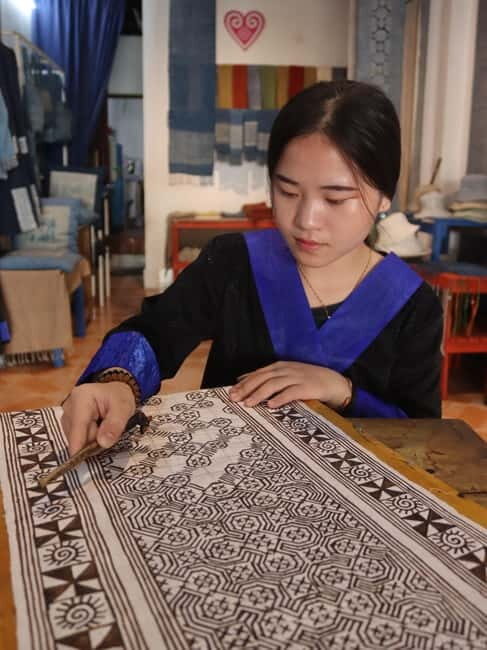
A lot of craft tours end up being a checklist of steps. This one feels more like learning a true technique.
First, the workshop uses traditional Hmong batik tools and a fabric that’s specifically described as hand-loomed Hmong hemp. Second, the teacher isn’t only helping you finish a product—they’re sharing the meaning behind symbols and motifs so you’re working with cultural intent.
You’ll also notice the way the instruction supports different skill levels. Even people who don’t consider themselves crafty can still produce something they’re proud to keep, because the workshop emphasizes careful line-following and guidance rather than artistic improvisation.
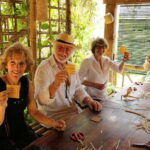
Names that come up often include Mi and Mee, both described as friendly, patient, and helpful, with English that makes it easy to ask questions. There’s also a social, human side to it—time for conversation about life in Luang Prabang while you work.



Where to go: finding Moon Love Batik near Wat Sibounheuang
The workshop meets at a spot you can find on Google Maps. Search for Moon Love Batik in Luang Prabang, and you’ll see the location.
It’s next door to Wat Sibounheuang, which makes navigation simple. If you’re already walking around the historic center, plan to arrive a bit early so you’re not rushing while you’re getting set up with materials.
Price and value: why $22 can actually make sense here
The price is listed at $22 per person, and the experience includes more than just “making something.” You get expert guidance by a master Hmong batik artist, traditional tools and materials, hand-loomed hemp fabric, the indigo dye process, and a completed piece you can take home.
For value, ask yourself two questions:
1) Does the workshop cover the parts that are hard to replicate at home?
The dyeing and wax removal steps aren’t casual. They’re the core of what creates batik’s final look.
2) Are you paying for finished art you can keep for years?
This isn’t a flimsy paper craft. It’s textile artwork that can become a functional item (like a tote or pillow cover) or a display piece.
Also, the fact that sessions can run from 1 to 4 hours helps you pick what fits your budget and attention span. Short option? You still end with a take-home result. Longer option? You get more time to work carefully.
What you’ll do with your finished batik
Once your piece is ready and you collect it, you can treat it like a true souvenir—something with story and texture, not just a photo moment.
The workshop piece can be used for sewing projects such as a pillow cover or tote bag. Or you can hang it on the wall and enjoy it as wall art.
This is one of the best parts of this experience: it’s not just “buy a gift.” You carry your own work home, and it’s practical enough that it won’t feel like clutter on the first day.
Who should book this (and who might want a different activity)
This workshop is a great fit if you want a calm, hands-on activity that connects you to local craft tradition.
It’s especially good for:
- First-timers who want an easy structure and patient help
- People who like process-based activities (drawing → dye → reveal)
- Travelers who want a souvenir with meaning and usable value
- Couples or friends who want something different from temples and markets
It might be less ideal if:
- You need a hands-free schedule that avoids next-day pickup
- You’re traveling with very young kids (it’s not suitable for children under 6)
- You dislike crafts that require focused, careful line work (even though the method is beginner-friendly, it still asks for attention)
Tips to make your workshop smoother
A few practical tips will help you get the best experience.
Wear or bring clothes you don’t mind getting close to dye-related smells or minor stains, even if care is taken. Fabrics and wax are part of the process.
Plan your day with pickup in mind. Since you can collect the piece the next day, avoid scheduling anything that would make you miss that follow-up moment.
When you choose your design or motifs, don’t overthink it. The workshop supports adjustments, and the goal is to create something that feels like yours while still respecting the traditional patterns and symbolism.
Finally, treat questions as part of the craft. Teachers are set up to explain both technique and meaning, and conversations can make the session feel less like a class and more like a genuine cultural exchange.
Should you book Moon Love Batik in Luang Prabang?
If you want one memorable, hands-on thing to do in Luang Prabang that results in a keepable piece of real art, I’d book this. The combination of master-led instruction, traditional materials, and natural indigo dyeing is exactly what makes the experience worthwhile.
Choose it if you like calm activities, you want to learn how the process works (not just copy a picture), and you’re okay planning for a next-day pickup.
Skip it if your schedule is too tight for follow-up, or if you’re looking for something highly energetic or outdoorsy. In that case, you’ll likely be happier with another kind of Luang Prabang activity.
FAQ
How long is the Luang Prabang Hmong batik art workshop?
The workshop runs for 1 to 4 hours. Check availability to see the starting times.
How much does it cost?
The price is listed as $22 per person.
Where is the meeting point?
Search on Google Maps for Moon Love Batik in Luang Prabang. The location is next door to Wat Sibounheuang.
When can I pick up my finished batik?
You can pick up your finished piece the next day after dyeing.
Is the workshop taught in English?
Yes. The instructor speaks English.
Is it suitable for young children and people with mobility needs?
It is not suitable for children under 6. It is wheelchair accessible.