REVIEW · LUANG PRABANG
Tribal Cooking Class in Luang Prabang Forest and visit
Book on Viator →Operated by Laos Experience Tours · Bookable on Viator
A jungle kitchen lesson beats the usual cooking class. You walk into the forest with a KHMU facilitator, gather what you’ll use, then cook Lao dishes the same way. I love how the day mixes hands-on foraging with real food skills you can use later.
My other favorite part is the bamboo craft: you make your own eating chopsticks and even a bamboo drinking glass to take home. One thing to consider: this is outdoors and rain happens, so you’ll want to be comfortable getting a bit dirty and working in nature conditions.
In This Review
- Key points
- Entering a Forest Kitchen in Luang Prabang
- Naga Lodge pickup and the short trek into the primary forest
- Plant picking: what you gather before you cook
- Cooking at the carbet with bamboo, stone, and forest tools
- The bamboo tool-making part (chopsticks and a glass)
- Lunch and snacks: how the 5 hours usually flows
- Guide styles: Peng, Pheng, and a KHMU tradition
- Price and value: is $78.08 fair for what you get?
- Who this tour suits best (and who should skip it)
- What to consider before you book
- Should you book this forest cooking class?
- FAQ
- How much does the tribal cooking class cost in Luang Prabang?
- How long is the experience?
- Where is the meeting point, and where does it end?
- Is pickup offered, and is this tour private?
- What do you do during the class?
- What’s included in the price?
- What is the cancellation policy?
Key points
- Khmu facilitator-led cooking: learn directly from a tribe-based guide, not just a generic instructor
- Primary forest plant picking: you gather edible plants before you cook
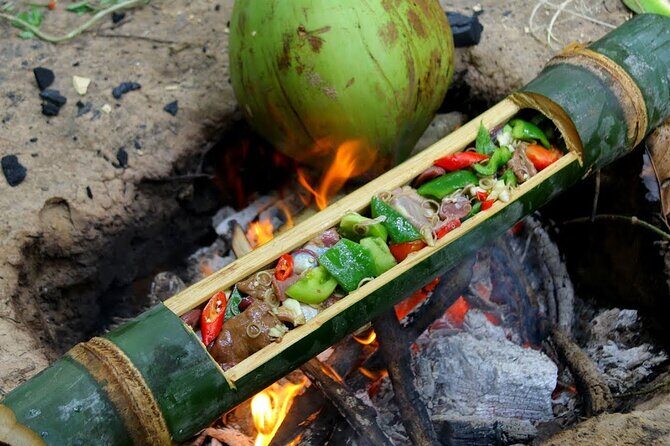
- Bamboo cooking methods: you cook with bamboo as a core material, plus stone and other forest products
- Make-and-take bamboo utensils: chopsticks and a glass are yours after the meal
- Private tour feel: only your group, with private transportation from Luang Prabang
Entering a Forest Kitchen in Luang Prabang
This 5-hour experience in Luang Prabang is built around a simple idea: learn Lao cooking through the forest ingredients and tools that made the cuisine work long before modern kitchens. You start with a short trek and then move to a carbet, where cooking happens with bamboo, stone, and other forest products.
What makes it feel special is that you’re not just watching someone cook. You’re doing the front steps too—finding plants, understanding what they’re for, and then turning it into a meal that fits Laotian table life.
You can also read our reviews of more cooking classes in Luang Prabang
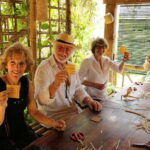
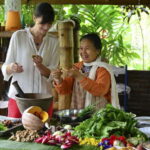
Naga Lodge pickup and the short trek into the primary forest
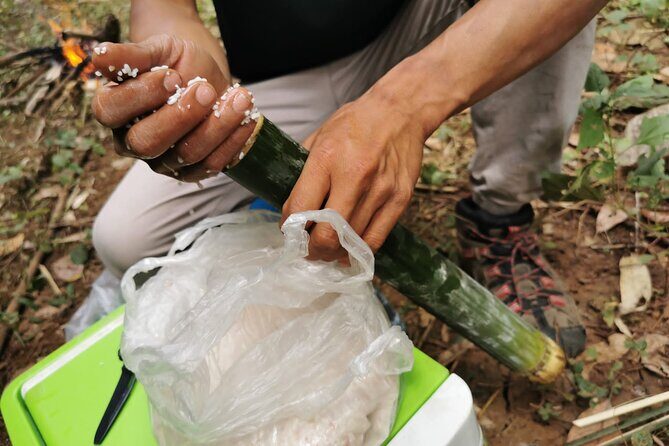
The day begins at Naga Lodge – Eco Resort Luang Prabang, in Ban Xieng Mouark. Pickup is offered, and the activity ends back at the same meeting point, so you’re not stuck figuring out transport afterward.
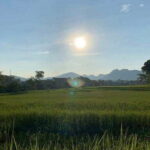
You’ll head into the primary forest with your KHMU facilitator. The walk is short—about 10 minutes—but it’s enough to shift your brain from city mode into forest mode, where you notice plants, smells, and textures.
Plant picking: what you gather before you cook
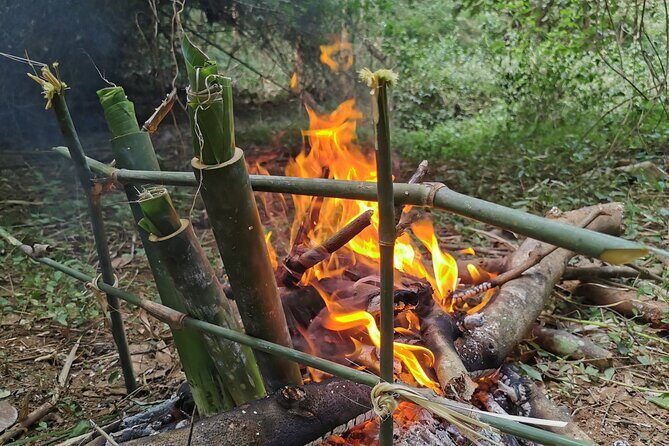
A big part of the value here is the plant lesson. On the path into the forest, you learn about the edible plants you’ll use later, and you actually pick them yourself.
This matters because Lao cooking isn’t only about recipes—it’s about ingredients and how they behave in a natural cooking setup. Even if you never cook in a forest again, you’ll leave with better instincts for using local, seasonal ingredients and understanding why certain plants pair naturally with Lao cooking styles.
Cooking at the carbet with bamboo, stone, and forest tools
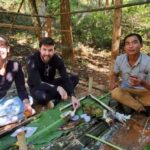
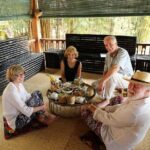
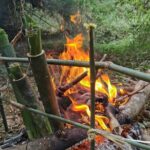
Once you reach the carbet, the class shifts into what most people come for: cooking the typical dishes of Laotian culture using bamboo and other forest resources. The setting is more practical than theatrical, which is exactly why it’s memorable.
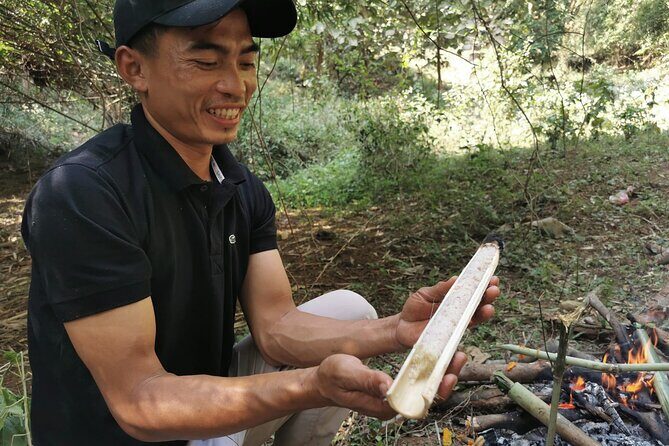
You’ll see bamboo used not just as a theme, but as a working material. You also learn how cooking can be done with simple tools and natural resources—think of it as “camp kitchen,” but taught as a cultural method rather than a survival stunt.
In one highlighted experience, people used machetes to fashion a little cover when rain came in. That’s a helpful reminder: you’re learning in real conditions, not a studio.
The bamboo tool-making part (chopsticks and a glass)
Some cooking classes stop at the meal. This one adds craft, and it’s not a token souvenir.
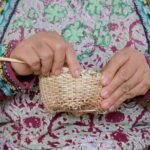
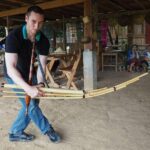
You’ll make your own eating chopsticks and a glass made of bamboo. Those items aren’t just for the photo; they connect you to the whole system—how a meal is prepared, served, and eaten with materials from the same environment you gathered ingredients from.
It’s also a great activity for people who like learning by doing. If you enjoy hands-on work—cutting, shaping, assembling—you’ll likely have a smoother time and feel more connected to the final lunch.
A few more Luang Prabang tours and experiences worth a look


Lunch and snacks: how the 5 hours usually flows
With a duration of about 5 hours, this class is long enough to feel like a real day, but short enough that you won’t hate your schedule afterward. You’ll have bottled water, snacks, and lunch included, which helps keep the day from turning into constant spending.
Because it includes both walking and cooking, the pace can feel active even though it’s not a long hike. The best way to think about it: you’ll be moving, learning, and working with your hands, then you’ll sit down and eat what you helped create.
If you’re the type who likes to understand where food comes from, this fits well. If you want a slow, lounge-style activity, it may feel a little energetic.
Guide styles: Peng, Pheng, and a KHMU tradition
A lot of the satisfaction here comes from the guide. Names like Peng and Pheng show up often in accounts of this experience, both tied to strong teaching and a friendly, hardworking approach.
What you’ll feel during the class is practical knowledge. The guide isn’t only explaining steps. They’re showing why those steps make sense in the forest—how materials are used, why certain plants are worth gathering, and how bamboo-based tools change the cooking process.
This also helps you translate the day into something useful. You’re not leaving with only memories; you’re leaving with a mental toolkit for how to think about cooking with local resources.
Price and value: is $78.08 fair for what you get?
At $78.08 per person, this isn’t a budget “grab a dish and go” cooking class. But the price starts to make sense once you look at what’s included and what’s actually happening during the time.
You’re paying for:
- private transportation
- bottled water, snacks, and lunch
- cooking tools and utensils for the class
- a KHMU facilitator-led experience
- forest plant picking and hands-on cooking
- bamboo craft time (with take-home chopsticks and glass)
If you’ve done a standard cooking class before, compare this to one where you only chop ingredients in a kitchen. Here you gather ingredients first, build some of the dining tools yourself, and cook outdoors using local materials. That blend—food + foraging + bamboo craft—often justifies a higher price.
Also, it’s booked in advance pretty often (around 23 days on average). That usually means people are looking for a specific, limited-format activity. Booking ahead can reduce the chances of missing your preferred day.
Who this tour suits best (and who should skip it)
This is ideal for you if you want something more authentic than a restaurant-style cooking lesson. It’s also a good fit if you like nature experiences that still end in a satisfying meal—not just walking for walking’s sake.
You’ll probably enjoy it most if you:
- like hands-on activities
- want an “off the beaten track” day in Luang Prabang
- enjoy learning local food techniques and materials
It may be less ideal if you need very predictable indoor comfort. Since the cooking and crafting happen outside, you’ll want to be fine with working in outdoor conditions and getting a little rustic.
What to consider before you book
A few practical points can help your expectations match reality.
First, this is outdoors. Rain can show up, and the class still keeps going, like when a cover is made from rain. Dress for a humid, natural environment, and plan for the fact that you’ll be around plants and forest surfaces.
Second, it’s a private tour, which is usually a plus. But private formats can mean timing is tied closely to availability.
Finally, the experience has a minimum number of travelers. If that minimum isn’t met, you’ll be offered a different date/experience or a full refund. That’s not a bad thing—it’s just useful to know if you’re traveling on tight dates.
Should you book this forest cooking class?
If you want one memorable Luang Prabang food experience, I’d put this near the top. You get bamboo tool-making, plant picking, and a full lunch built from what you learned and gathered. It’s the rare class where you leave with both skills and take-home objects made from the same materials used in cooking.
Book it if you’re ready for a hands-on outdoor day and you care about learning how Lao food works, not only eating it. Pass if you prefer fully indoor, low-movement activities.
FAQ
How much does the tribal cooking class cost in Luang Prabang?
It costs $78.08 per person.
How long is the experience?
The duration is about 5 hours.
Where is the meeting point, and where does it end?
You start at Naga Lodge – Eco Resort Luang Prabang, Ban Xieng Mouark, Luang Prabang 06000, Laos, and the activity ends back at the same meeting point.
Is pickup offered, and is this tour private?
Pickup is offered, and it’s a private tour/activity with only your group participating.
What do you do during the class?
You walk into the forest to learn and pick edible plants, then you cook typical Laotian dishes at a carbet using bamboo and other forest products.
What’s included in the price?
Included are private transportation, bottled water, lunch, snacks, and the tools and utensils needed for the cooking class.
What is the cancellation policy?
You can cancel for free up to 24 hours in advance for a full refund. If you cancel less than 24 hours before the start time, the amount paid isn’t refunded.