A day like this beats wandering solo because you get both food and Vientiane landmarks in one tight route. I love the morning mix of a fresh market, a coffee stop, and a silversmith workshop where you make traditional Buddhist offerings. I also like that you get a proper Lao lunch with local guidance, not just a quick snack. One possible drawback: it’s a packed schedule, and if you’re expecting lots of variety beyond sacred sites and cultural stops, you may want more free time afterward.
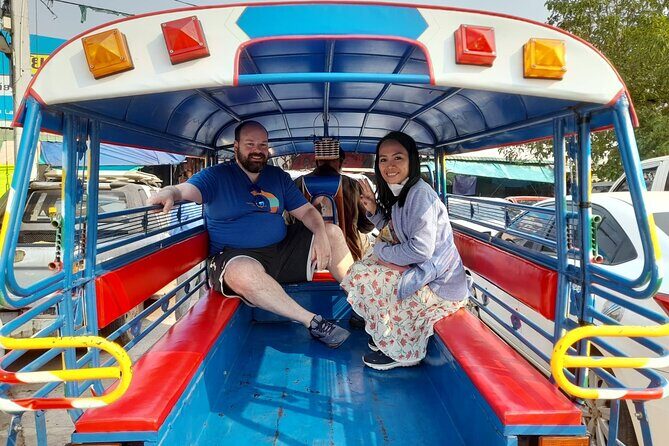
This tour is built around a traditional tuk-tuk and a small group, so you’re not stuck watching a bus load of people move in slow motion. The day runs roughly 6 to 8 hours, with a central hotel pickup, and you’ll cover both the big postcard moments and the quieter, more personal parts of Lao daily life.
If you enjoy tasting, asking questions, and learning the why behind places, you’ll have a great time. And if you’re the type who likes your itinerary organized but still human, this one fits that sweet spot.
In This Review
- Key points to know before you go
- A tuk-tuk day in central Vientiane: how the timing really works
- Start at the fresh market, then follow the flavors
- Lao coffee, traditional sweets, and a slower cultural rhythm
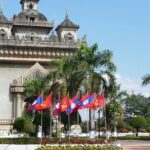
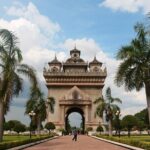
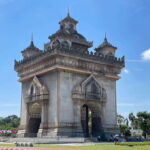
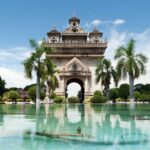
- Patuxay: the Victory Monument and the city-view moment
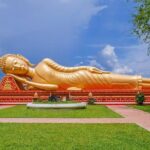
- Pha That Luang: Laos’ sacred stupa in a guided context
- The silversmith workshop: Buddhist offerings you can actually make
- Lunch: a full Lao meal, not a rushed snack
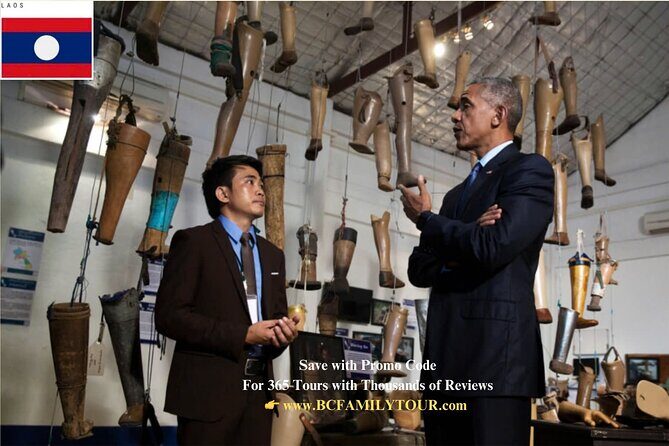
- COPE Visitor Centre: learning the human cost of the Secret War
- Wat Si Muang: a respected temple with local spiritual focus
- Tuk-tuk transfers and what’s included for the price
- Who will enjoy this most
- Should you book the 1-Day Vientiane City Adventure?
- FAQ
- How long is the Vientiane city adventure?
- What is the pickup time and where does pickup happen?
- Is lunch included?
- Does the price include transport?
- Will I visit Patuxay and Pha That Luang?
- What’s included besides the main sights?
- Are admission tickets included?
- What’s not included in the tour price?
- Can I cancel for free?
- Is there a child rate?
Key points to know before you go
- Small-group tuk-tuk pacing keeps the day from feeling rushed even when it’s busy.
- Market-to-lunch flow means you’re eating what you just learned about.
- Patuxay + Pha That Luang give you the city’s skyline views and its spiritual center.
- Silversmith workshop with offerings turns a cultural stop into an active lesson.
- COPE Visitor Centre adds context on the human cost of Laos’ Secret War.
- Wat Si Muang gives a more local-feeling temple visit after the big landmarks.
A tuk-tuk day in central Vientiane: how the timing really works
You start with pickup in Vientiane city center between 7:45 and 8:15 am. That early start matters. Morning in Vientiane is often when markets feel most alive, and it’s also when the day’s long list of stops doesn’t feel like a sprint.
This is a small-group tour, with a maximum of 12 participants per tour (and an overall cap of 15 for the activity). That size is part of the value: you get an English-speaking guide, you can ask questions, and you don’t have to shout over traffic.
Your whole experience runs about 6 to 8 hours, and you’ll be dropped back at your place afterward. Since there’s no mention of extra unplanned stops, you should mentally prepare for a structured day. It’s the kind of plan that helps you see a lot without guessing your way around.
You can also read our reviews of more city tours in Vientiane
Start at the fresh market, then follow the flavors
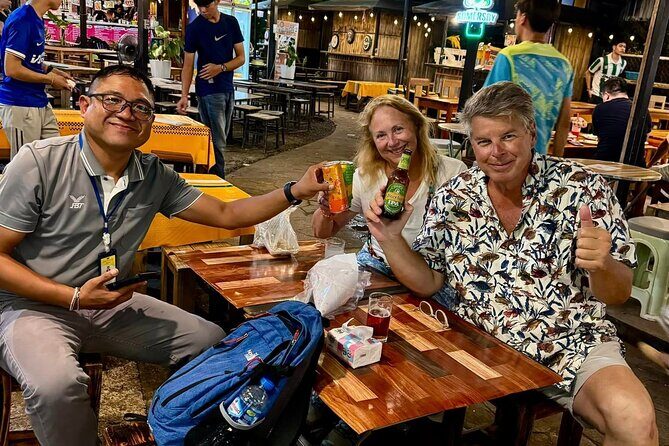
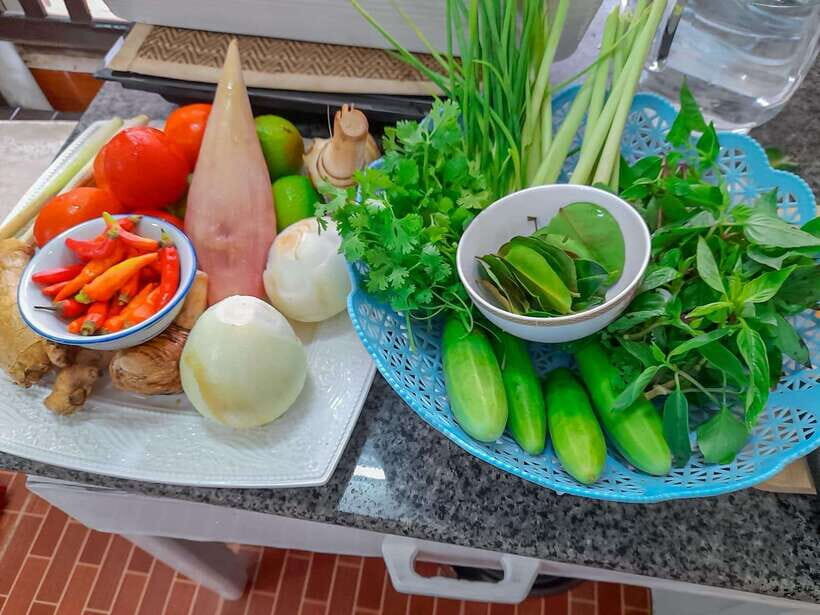
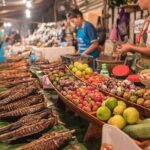
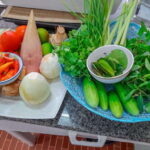
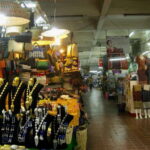
The first big experience is a local fresh market. This is where the tour earns its “food and culture” promise. You get a look at the variety of Lao ingredients and how those ingredients show up in everyday cooking traditions.
What I like about doing this first is the logic. Later, when you’re tasting sweets or drinking Lao coffee, it’s not random. You understand what’s behind the flavors and why certain ingredients are so common.
A market visit can be sweaty and chaotic if you show up with the wrong expectations. The good news: this one is guided, so you’re not just standing around wondering what to look at. Also, you’ll have bottled water included, which helps you keep going without feeling like you’re rationing.
Lao coffee, traditional sweets, and a slower cultural rhythm
After the market, the day includes time for a coffee shop stop and traditional sweets. This part is simple, but it’s also where you get to slow down and talk. You can ask how Lao coffee is typically enjoyed, and you’ll get a feel for what locals treat as comfort food.
Don’t overthink it. This is not a museum tasting room with fancy jargon. It’s more like, here’s what people actually drink, here’s what they snack on, and here’s what makes it Lao.
If you’re sensitive to caffeine, plan to go at your own pace. Since the tour doesn’t mention stopping for extra breaks, it’s smart to pace yourself instead of finishing everything at once.
Patuxay: the Victory Monument and the city-view moment
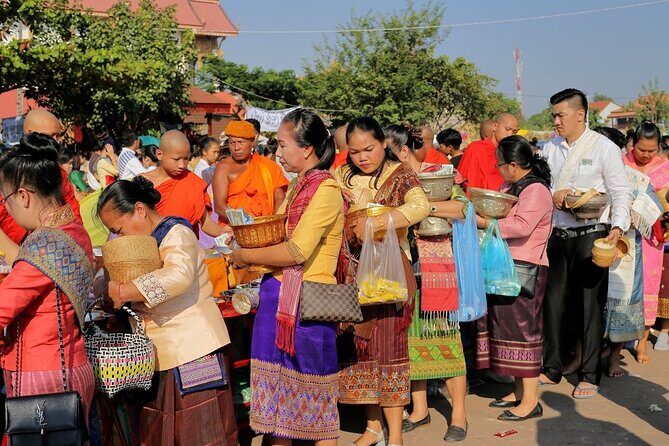
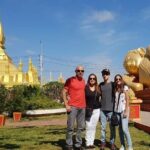
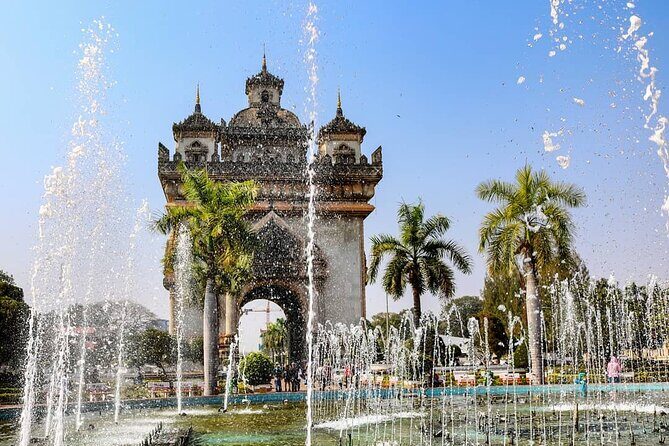
Then you roll toward Patuxay, the Victory Monument. It’s an iconic landmark, and the payoff is the panoramic city view. Even if you’ve seen photos before, it hits differently when you’re standing there, looking out over the streets you just started navigating.
This stop also helps you “read” Vientiane. From the viewpoints, you start to understand what’s central, what’s spread out, and where daily life flows. It’s not just sightseeing. It’s getting oriented, so later temple stops feel less random.
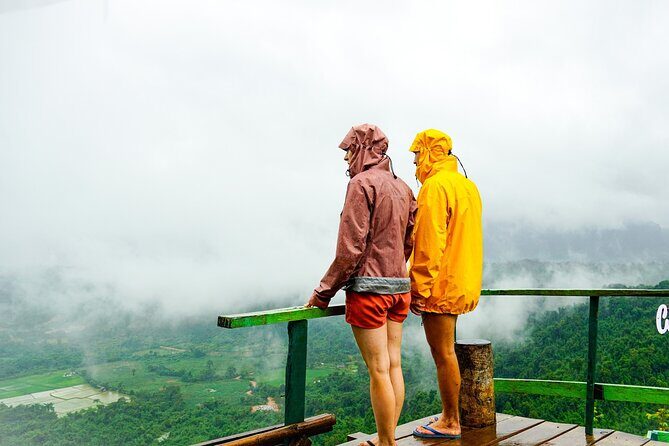
One practical note: viewpoint time depends on light and weather. If you’re going in a rainy season pattern, you’ll still get the stop, but visibility can vary. Bring the mindset that views are a bonus, not a guarantee.
Pha That Luang: Laos’ sacred stupa in a guided context
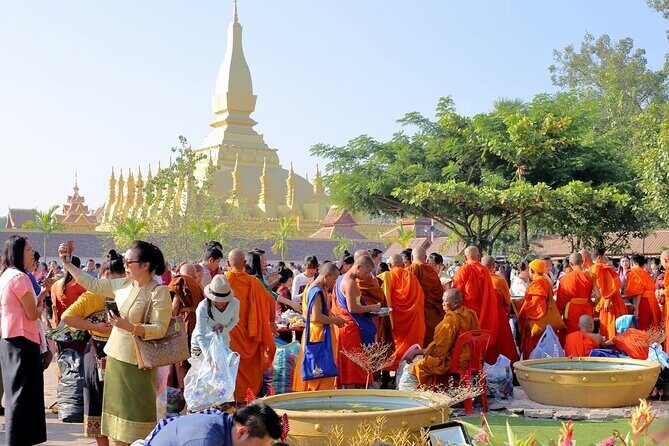
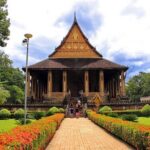
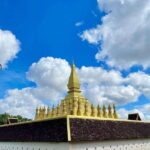
After Patuxay, you visit Pha That Luang, described as Laos’ most sacred and impressive stupa. This is the moment when the tour shifts from city views to spiritual gravity.
A stupa stop can become “walk, look, leave” if you don’t have a guide. Here, the point is the history and spiritual significance behind it, so you’re not just taking pictures. You’re learning what you’re actually looking at and why it matters to people in Laos.
This is also where I appreciate the structure of the route. By placing Pha That Luang after Patuxay, the day builds. First you see the city from above; then you step into a place that represents something much bigger than the skyline.
A few more Vientiane tours and experiences worth a look

The silversmith workshop: Buddhist offerings you can actually make
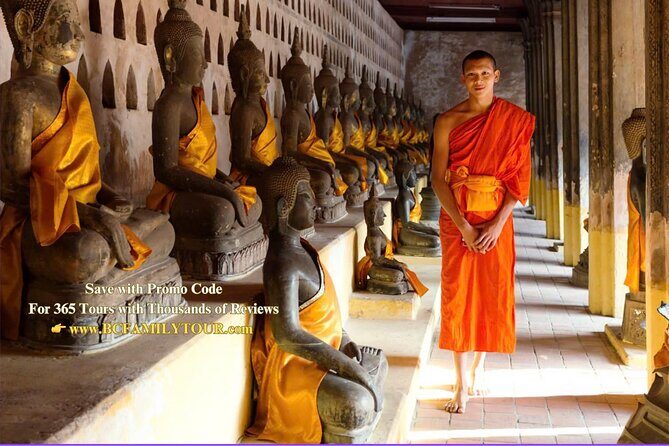
One of the most praised parts of this tour is the silversmith’s workshop. This is not a quick photo stop. You learn how to make Buddhist offerings, which turns it into a hands-on cultural lesson.
I like workshops like this because they’re less about watching and more about doing. When you’re making something yourself, the culture sticks. You start to notice details you would otherwise ignore, like materials, shapes, and the care people take with what they create.
Also, this is where your guide really matters. I went with Vingxay, and his explanations were clear and specific, especially around the Buddhist sites and what the offerings represent. When a guide can connect a craft to meaning, the whole stop feels more personal.
If you’re a slow worker, don’t worry. This type of activity is usually designed to be manageable for groups. Just be ready to spend real time here, because making offerings takes longer than standing around.
Lunch: a full Lao meal, not a rushed snack
Midday, you enjoy Lao-style lunch at a restaurant that feels intentionally selected for a real meal. The tour includes lunch, and bottled water is provided.
This part is quietly valuable. Too many city tours treat food as an afterthought. Here, lunch is a planned highlight, and it gives you a chance to sit down, regroup, and taste what you’ve been learning about.
Because the tour doesn’t include extra drinks or additional food, keep an eye on what you order. If you like iced drinks or tea, plan to pay for those separately. It’s not a “get everything free” situation, but the core meal is covered.
COPE Visitor Centre: learning the human cost of the Secret War
After lunch, the route moves into heavier territory with a visit to the COPE Visitor Centre. This stop is about Laos’ resilience and the burdens left by the Secret War.
This isn’t a “sightseeing” stop in the usual sense. It’s a learning stop that asks you to slow down and reflect. A good guide helps you connect facts to real outcomes, and that’s exactly what this part of the day is designed to do.
If you’re sensitive to difficult topics, go in with a heads-up: this is emotional learning. On the other hand, if you want to understand Laos beyond temple postcards, this is one of the most meaningful additions you can make to a Vientiane itinerary.
Wat Si Muang: a respected temple with local spiritual focus
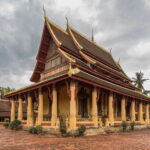
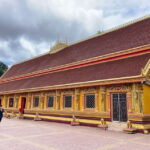
To close the day, you visit Wat Si Muang, a revered temple known for its cultural and spiritual importance.
This temple stop works well after COPE and after the big landmark earlier in the day. It feels more grounded. The day starts with public monuments and markets, then moves into meaning, and ends with a place that’s clearly part of everyday spiritual life.
As with Pha That Luang, you’ll get the benefit of context from your guide, rather than just walking through. That’s where your morning workshop and your afternoon learning start to click together: craft, offering, spirituality, and the role places play in how people live through history.
Tuk-tuk transfers and what’s included for the price
Let’s talk value. The tour costs $109.90 per person, and on average it’s booked about 55 days in advance. That price can feel high if you’re comparing it to cheap “sit on a tuk-tuk and go” tours.
But here’s what you’re actually paying for:
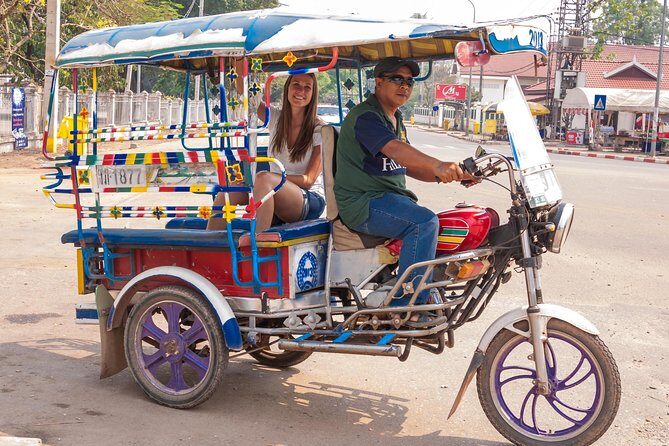
- Transport by traditional tuk-tuk with direct transfers from your central hotel area
- An English-speaking guide who explains what you see
- Stops that are named as part of the program (market, coffee stop, silversmith workshop, lunch, COPE Visitor Centre, temple visits)
- Local lunch and bottled water
- Admission tickets noted as free for at least the first segment of the day
The tour also keeps the day controlled. There’s no mention of optional extra detours, and that matters in a place where “extra” can easily turn into wasted time. If you like structure and want the essentials covered efficiently, this price starts to make sense.
If you’re the type who likes planning every detail yourself, you might be able to piece together some of this on your own. But you’d still pay for tuk-tuk time, you’d still need guidance to interpret sacred sites, and you’d still have to find a good lunch. This tour bundles those pieces for you.
Who will enjoy this most
This tour fits best if you like:
- Food and culture that connect to the places you’re visiting
- A guided day with meaningful stops, not just photos
- Hands-on experiences like the silversmith workshop and offering making
- Seeing both “big Vientiane” landmarks and more reflective history
It may not be ideal if you want lots of offbeat entertainment, long free time, or a tour that prioritizes variety over depth. One potential downside is that the focus is strongly cultural and spiritual, especially around Buddhist sights and related explanations. If your goal is a broad sampling of everything, you might find yourself wanting more non-temple time.
Should you book the 1-Day Vientiane City Adventure?
I think you should book this tour if you want a well-shaped Vientiane day that’s more than a checklist. The market-to-lunch flow, the silversmith workshop with offerings, and the inclusion of COPE Visitor Centre make it stand out for learning without feeling academic.
Book it if:
- You enjoy guided explanations and want to understand what you’re seeing
- You care about a real Lao lunch, not just snacks
- You’re happy with a structured 6 to 8 hours that covers key highlights
Skip it if:
- You prefer loose, free-roaming sightseeing with lots of unscheduled time
- You want a lighter day with less reflection and fewer sacred-site stops
- You hate structured itineraries and want to freestyle every hour
If you’re on the fence, here’s my practical advice: if you only have one day in Vientiane and you want the “why” behind the city’s landmarks, this is a strong use of your time.
FAQ
How long is the Vientiane city adventure?
The tour runs about 6 to 8 hours.
What is the pickup time and where does pickup happen?
Pickup is offered from your location in Vientiane city center between 7:45 and 8:15 am.
Is lunch included?
Yes. The tour includes a local Lao lunch.
Does the price include transport?
Yes. Round-trip transfers are provided by tuk-tuk, and transport is included.
Will I visit Patuxay and Pha That Luang?
Yes. The tour includes Patuxay (the Victory Monument) and Pha That Luang.
What’s included besides the main sights?
You’ll also visit a fresh market, a coffee shop, and a silversmith’s workshop with time to make Buddhist offerings. Bottled water is included.
Are admission tickets included?
Admission ticket costs are noted as free for the first segment of the day in the program.
What’s not included in the tour price?
Any additional drinks or food you buy are not included, and there are no unplanned stops possible.
Can I cancel for free?
Yes. You can cancel for a full refund up to 24 hours before the experience starts.
Is there a child rate?
A child rate applies only when sharing with 2 paying adults.